In summer, the same fatal mistake was committed by many of the rural communities: it was always felt that the heat was evaporating and that the flowers were dry, so they were watered every day。
As a result, not only is the grass not long or flowering, but the leaves are yellow, the roots of the leaves fall off, and it takes 10 and a half days to die. It's always hard to understand why you're dying when you're trying to water and manage
Today i'll tell you the truth: the summer flowers, the sunless flowers, are all watered to death
The biggest killer in rural institutions is never high-temperature sun, but the roots of the water. Most of the drought-resistant flowers have their roots that are the most boring and the most watery. It's hot in the summer, it's damp, it's dry, it's dry, it's dry, even if the leaves look good, they're dead。
In particular, today's collection of these six regular flowers, which are born drought-resistant, tends to be dry, leaves micro-spills, and can never plant water. If you change the water problem, you don't put on fertilizers, you don't cover up, and you can grow pops in the summer, and you grow。
First: triangular plums - dry flowers and dry roots
Triangular plums that rural households like to plant are typical of drought-resistant flowers, and are the most prone to death in the summer. Many people in their homes have no leaves to flower, leaves torn off branches, mostly because of too much water。
The roots of trigs belong to the roots of the flesh, with a high capacity to absorb water and a particularly high capacity to store water, and are born drought-free and extremely afraid of water accumulation。
I'm going to do it
1. Water core: dry, dry, dry
In the summer, triangulations are raised, so do not water once in a few days. The weather is so clear, it rains so much, the pelts are not the same, and the water is the easiest to accumulate。
The correct approach is that the soil surface of the basin, which is white, dry, and two centimetres of soil, is dry, and it is watered again. The soil is still high and it is not watered。
2. Land-planting separation method
Triangular plums in the courtyard: totally dependent on the sky for food. Rain is fully enough for it to grow and bloom, and more water can only grow with leaves and no flowers。
The balconies trim: once a day from 7 to 10 days in summer is enough, and in the rainy days, water is stopped, so don't refill it。
3. Stimulation: moderate water control
If you want a triangle plum in summer, you need proper water. The drying of the soil and the soft hairing of the leaves are the most easy to divide. And when the water is overloaded, it tends only to the long leaves, and the four seasons of the year do not bloom。
Hole avoidance alarm
Triple plums in summer will never die of sun and water will rot! It is the core secret to keep the triangles well。
Second: sunflowers -- commonly known as not dying, only afraid of bubble water
Sunflowers can't scream, the village's recognized best lazy flower, 40 degrees of hot, open sun, half a month without water, except for the pelvis and the long-term damp。
Many newcomers grow sunflowers, water them every summer, wet their pellets every day, in less than a week, their roots rot and fall, they die in pieces, and they die in good shape。
I'm going to do it
1. Solar flower drought-resilient levels
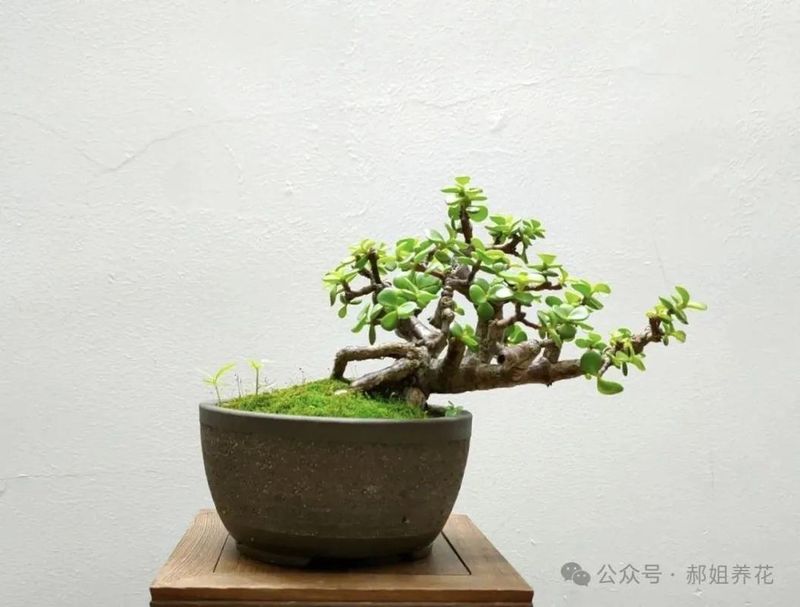
The sun leaves are fleshy, self-carrying water and drought-resistant. When the sun is planted, the rain is enough to cause the explosion to go wild throughout the summer, with no artificial recharge。
2. Watering the plant for the weather
The weather is high: the soil is completely dry and watered, and can be watered at once at intervals of 5-7 days。
Rain and rain, may and rainy season: the water is cut off. Even if the leaves look a little thin, they can't be watered, and the pots of water rot on the roots overnight。
3. Conservation in rain weather
In rural areas, solar flowers are planted and, in the event of continuous heavy rains, water must be pumped in a timely manner. Long-term water bubbles at low-lying locations are the only cause of large-scale death in the summer sun。
Hole avoidance alarm
The name of the sunflower can't be killed, the probability of drought dying is zero, and the probability of flooding is mostly the same. Keep the water-watering hands under control, and it can go from early summer to late autumn, and it can explode year after year。
Third: the monsoon flower — wet and sick and dried flowers
The summer seasons of yellow leaves, leaf loss, black spots, white powder, dead roots, 90 per cent of which are not tan, are caused by too much water, too much soil and too much ventilation。
The season is humid but extremely afraid to accumulate water, the roots are high in respiratory capacity, the soil is chronically wet and damp, and pests and pests are emerging and water is being poured in as quickly as possible。
I'm going to do it
1. Timing of water supply, half the problem
It is absolutely forbidden in the summer to pour water at noon and in the afternoon. The hot tub is hot, cold water is pouring down, and the roots are directly irritating and smothering。
The best watering time: after early morning or sunset, the temperature is cool and the roots absorb the mildness and do not hurt the seedlings。
2. Dry and wet. No tides
The principle of non-drying and non-watering is observed. The surface soil is dry, white and then watered; the soil is wet and sticky, and the water is stopped。
3. Differential management of ground-planted plants
Planting season: deep roots, strong water retention capacity, enough water for three to five days in the summer and water discharges in time after rain。
The pelvis season: limited ventilation and the greatest fear of water accumulation, rather than more water, the pellets are slightly drying up for the most advantage。
Hole avoidance alarm
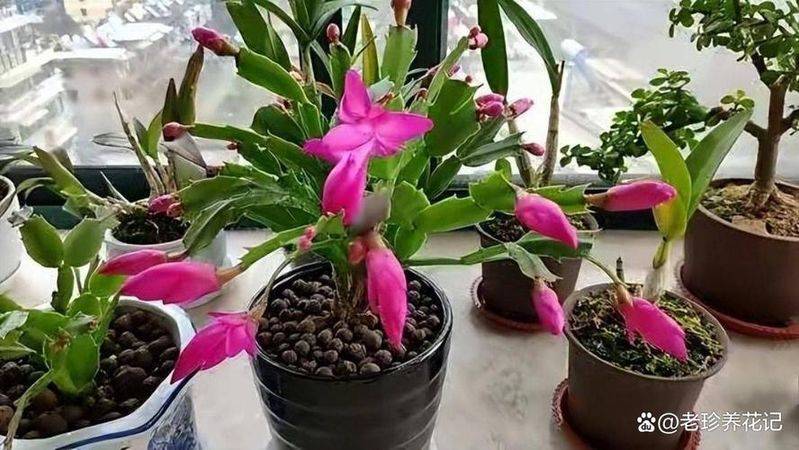
In the summer of the season, rather than damp, a slight drying will only soften the leaves and rejuvenate the water; once the roots of the water are strewn, the fairies will not be able to save them, but will be uprooted altogether。
Number four: blue snowflakes -- water is watery but afraid of flooding
Many old people mistook the idea that blue snowflakes grow fast and have lots of leaves to water every day
The blue snowflake is certainly a little more water than the other plants, but it is wet, and it absolutely does not like to accumulate water. The pelvis is chronically inhaled, its roots are oxygen-depleted, its leaves are yellow, its flowers fall and it stops growing。
I'm going to do it
1. Correct water timing
It is not necessary to remember the number of days to see the state of the basin: the surface of the basin is dry and white enough to be watered; the basin is wet and dark, and it is not。
2. Details of the summer watering
High-temperature dry days: one four-six-day break, one-time watering, until the bottom stream。
(b) a continuous stormy day: water is completely cut off, enough to grow with it, and more roots will be poured。
3. Small explosive techniques
Blue snowflakes, which are moderately dry and conserved, have more branches and more flowers. Blue snowflakes, which are long and watery, can only grow long, thin and dark。
Hole avoidance alarm
Blue snowflakes are wet conservation, water is strictly forbidden, water is not well served, they are lazy and dry, and they bloom into a pot。
The fifth type: 10,000 daisies -- resistant to infertile drought, the fastest to accumulate water
All-facilities planted by rural gardens and by the walls of the yard are heat-resistant, sun-resistant and infertile. They can grow crazy with almost no pipe, deworming is good, and they are essential for farmers。
But the chrysanthemum has a fatal slab: shallow roots, fear of water. In summer, with rainy seasons, low-lying water areas are planted, and three or five days are allowed to rot and die。
I'm going to do it
1. Land planting with little water
It is not necessary to refill the water, even if it does not rain for 20 days。
2. Rigid water control by plant
Plantation is small in soil space and water accumulation risks are extremely high. In the summer, the basin is kept dry, dry and permeable, with frequent and small water. A little daily water, a half-dry and wet soil, and the most vulnerable to disease。
3. Plantation site selection critical
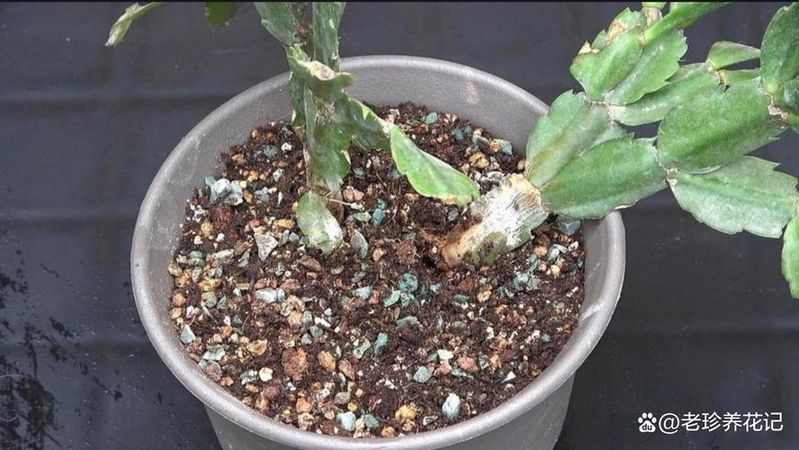
It is essential to select high-lying, waterless and ventilated places to avoid low-lying water pits, which can thrive without having to deal with them after heavy summer rains。
Hole avoidance alarm
It is not necessary to worry about the lack of water, to focus on the problems of water collection, to control the water, and to spend the summer with the best deworming。
Sixth: long spring flowers (sun and springs) — pelts are drying up and ground is falling apart
The long springs have been blooming, the seasons have been growing, and the fear of drying up is increasing. Many people live in the sun and spring, and suddenly in the summer they fall and fall, all of which are the root causes of overwatering。
The long springs are thin, shallow, airy, humid, and the roots rot overnight and the plants die quickly。
I'm going to do it
1. Strict dry draught
Preserve the iron law of the long spring flower: either dry or watered. The soil will never do anything to water it, even if a small flower alights and it recovers very quickly when it is managed。
2. Eliminating frequent water spills
Many flower breeders prefer daily water spills, wet surfaces of the pelvis, damp substrates and chronic oxygen deficiency, which are the main causes of death in the summer of the long spring. Water must be poured out at once and not half-watered。
3. Timely water avoidance in rainy days
The pellets are long spring flowers, which are recommended in consecutive rainy weather to be moved to rain-shield locations to avoid long-term water bubbles from the pelvis; the pellets are emptied in time to eliminate water sludge。
Hole avoidance alarm
The longer the flowers dry, the more they bloom, the more they die! The more the flowers are kept warm, the more the flowers are drenched, the more the water is drenched and the more the flowers are destroyed。
General water control for summer flowers
After seeing these six kinds of watering techniques, we rural flower-bearers must remember the truth: the summer flowering, the sun, the heat, all of it
Don't be soft in the summer. Most homes are often flowered and are born drought-resistant, and the roots are the ones most afraid of warm, wet water。
Lazy flower-breeding is the best, watering quickly and watering day by day, the worst area for raising flowers in the summer. Controlling the hands that water themselves, the soil is dry and dry, rather than wet, and that's the best way to do this。
Whether it be a small yard or a balcony plant, with proper water and drainage control, no spending on fertilizer, and no frequent insect-proofing, weeds can grow and bloom, and throughout the summer they can grow and double their worth。