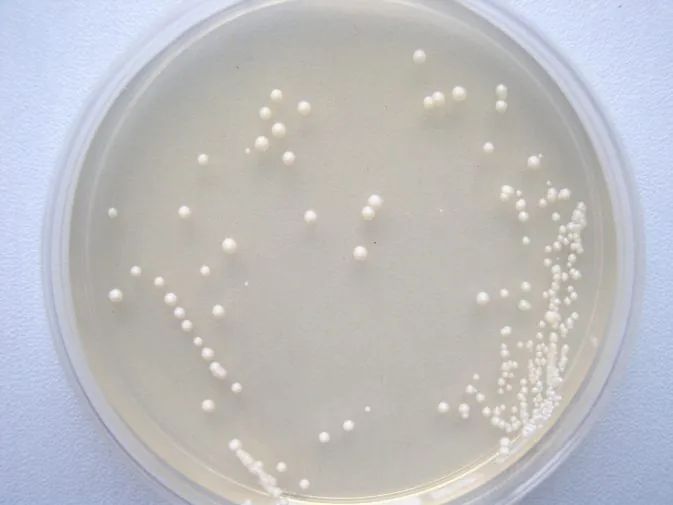
Yeast
As a single-cell nuclei, the brewing yeast has structural characteristics similar to those of animal and plant cells, including cell cores, internal webs, golf, linear particles, peroxide enzymes, cell skeletons, etc., and its cell growth and growth processes and plant and animal cells are very similar, and many genes are highly conservative in yeast and plant and animal cells. Moreover, yeast cells can easily be biochemical and molecularally operated, so yeasts are the model organisms commonly used in genetic function studies. As a model organism, a brewing yeast has made a significant contribution to human genetic function research, and if an unknown human gene can compensate one of the known functions of the yeast for mutation through functional complementarities, then this unknown function has a similar function to that of the known function of the yeast. For example, there is a similar function between this unknown human gene and the known function of the gypsy gypsy. For example, humans have three genes associated with semi-lactose haematosis, namely, the calt (udp-semi-lactose transfer enzyme), the calk2 (semi-lactose hormone enzyme) and the gale (udp-semi-lactose isomerase), which, in contrast, compensates the mutation of the corresponding three genes, namely gal7, gal1 and gal10, among the brewers. The functional complementarities between the brewery yeast model organisms and human genes are being tested, and the associated genes are increasingly being validated at genetic levels. Seventy-one of the enzymes have been found to be complementary to human genes, of which 20 are related to basic metabolism, 16 to genetic expression, one to protein transport, 7 to dna synthesis, 7 to signal transfer and 17 to cell cycles. Experiments have shown that close to 50 per cent of proteins and wine yeast proteins are detectable in human genetic diseases with some similarity in the amino acid sequence, so it can be reasonably assumed that most yeast proteins can be found in human protein groups. The analysis of human proteins is based on structural and functional homogeneity among the members of the brewed yeast protein group。