Heat water heaters, which are commonly used in the home as hot water supplies, may accumulate some sewage and impurities internally after long periods of use. In order to ensure the proper operation of water heaters and to extend their useful life, the regular clean-up of sewage is particularly important. The following are detailed steps to clean up the internal sewage of the heil electric water heater:
I. Power outages and closing gas valves
Before cleaning up, it is first necessary to ensure security. The power and gas valves of the water heater are completely shut down to prevent accidents during the clean-up process。
Ii. Drain water heaters
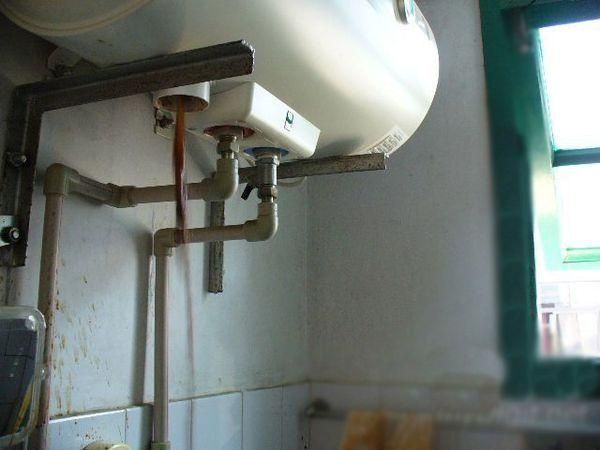
1. Close the water valves (cold pipe switches), open the water valves of the water heaters (flower spill switches) and the safety valves (discharge valves) and drain the water from the water heaters. In order to speed up drainage, the flow of water can be pumped using a gas pump that connects the excretion valve hose。
2. If the water heater has a drain, it can open the drain and allow for a smoother flow of inside and inside sewage。
Dismantling and cleaning pipes
1. Dismantling cold and hot water pipes in order to improve access to internal structures of water heaters。
2. Use specialized detergents or vinegar solutions to impregnate and wipe the interior with brushes or soft cloths to ensure complete decontamination。
Iv. Cleaning the guts of the inside
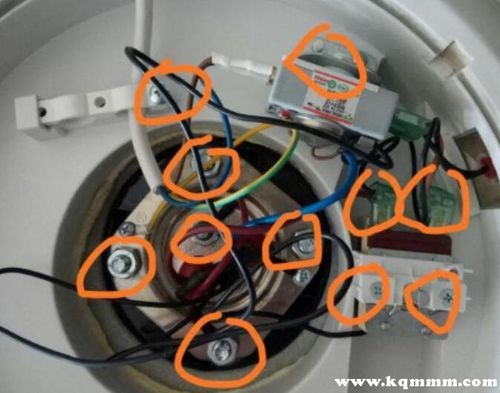
1. Connecting cold water pipes to hot water vents, opening cold water angular valves, allowing cold water to flow into the interior and wash。
2. Observation of discharges or discharges until such time as the quality of the water flowing from them becomes clean. This means that the stains and impurities in the guts have been effectively removed。
V. Reference and assessment
Once washed, re-install the cold and hot water pipes and sewage vents to ensure close connections and prevent leakage。
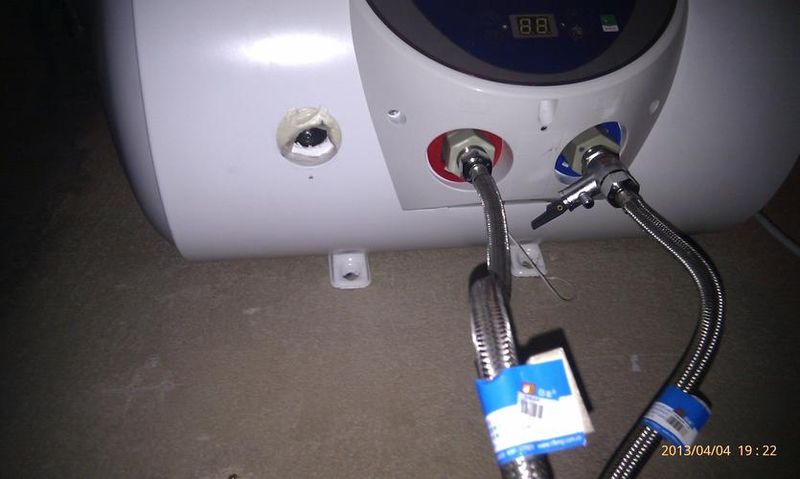
2. Check that all valves are closed to ensure that water heaters are safe。
Vi. Launching water heaters
Reassembly all parts, open the water valve, connect the power supply and start heating. The system is self-functioning for a period of time to flush out possible residual cleaning agents or impurities。
Through the above steps, sewage and impurities within the helmers can be effectively cleaned to ensure the proper operation of the water heaters and the sanitary safety of the hot water supply。