It has been 11 years since the birth of the child, from the initial collapse of the entire army to the fact that it is now possible to give each other a share each year. Here, i would like to share those years with you, and i look forward to hearing different views and experiences and moving forward together. If there are errors or omissions, please be more inclusive。
Plantation factors and techniques
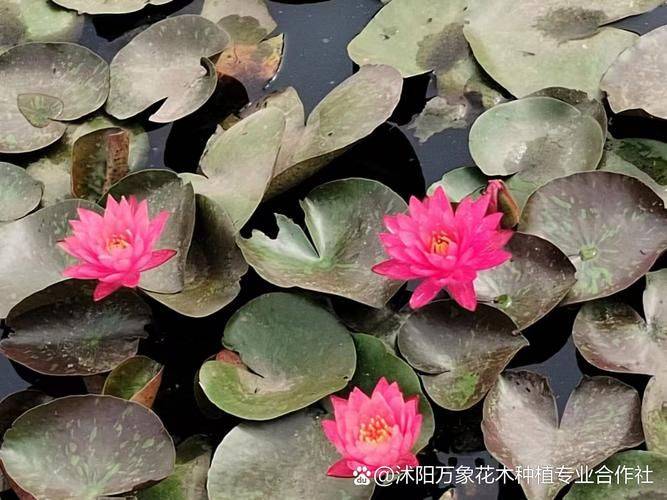
This sharing of experiences will focus on the planting of sleeping lotus. I will include the most common types of sleeping lotus, such as perfume, south-east asian sleeping lotus, mini-sleeping lotus, and soundseeing lotus. Two core elements are essential when planting a sleeping lotus: light and temperature. Sufficient light is key to the healthy growth of the sleeping lotus, while a warm climate promotes its growth and reduces its hibernation. Therefore, it is important to assess the adequacy of the light conditions in the selection of the location where the sleeping lot is grown。
And then we're going to explore the techniques of sleeping lotus growing:
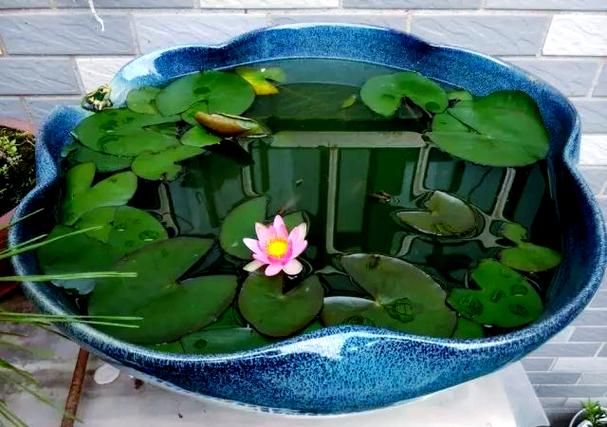
First, the flower basin option: it is recommended to use an open flower basin, so that the leaves will grow better than the inner flower basin. The wider the basin, the larger the flower, but not directly related to the base size. In addition, the depths of the flower basin affect the frequency of flowering, while the depth basins are flowering at longer intervals。
Soil selection: it is recommended to use more adhesive soils, such as clay or suntan to ensure healthy plant growth。
Spread appropriate amounts of long-acting or root fat on the bottom of the basin (note not to overdose to avoid root burning) and then fill and compress about one quarter to one third of the soil in the flower basin. Then the tubers were raised and carefully buried in the soil. The depth in which the tubing is buried affects the spacing and size of the flower: it is buried deep, it is split between long and large, and it is buried between small and short. When planted, the plant is moved to a place where there is sufficient light and sufficient water is poured to wait for it to bloom. If there are too many leaves, they can be properly trimmed。
If two or more poles are to be planted together, care is to be taken that they are grown in close proximity and that they are not killed by the fact that the leaves of the strong tubers block the buds of the weak ones and result in their lack of sufficient light。
Five: after the flower has bloomed, you can cut down the flowers and insert them into a vase for a period of approximately three to six days. Initially, the flowers would remain straight, but over time they would bend until they were completely sunk into the water。
Fertilisation: every one-and-a-half months, an appropriate amount of long-acting or root weight is added at approximately 3-5 centimetres near the sleeping lotus. Please note, however, that fertilization should be discontinued after the end of september, when it is already in the fall and the sleeping lotus is about to go into hibernation, with excessive fertilization likely to lead to rotting roots。
Tube cultivation and attention
First, with the arrival of autumn and winter festivals, the temperature has gradually decreased and the sleeping lotus has entered the hibernation period. During this period, it would be preferable to avoid excessive interference with the sleeping lotus. Sufficient recharge of moisture is required only when the water level is reduced。
(ii) deplanting and sprouts: the leaching and sprouts of the sleeping lotus are suitable for the period after each year's light. In sprouts, care must be taken to avoid damage to the sprouts. While the size of the tubers has had little impact on planting and sprouts, in order to ensure the healthy growth of sleeping lotus, it is recommended not to overcrowd in a basin so that the leaves are not reduced by lack of space and thus affect flowering. As a result, it is usually necessary to perform a sprouts one to two times every two years in order to maintain the healthy growth of the sleeping lotus。
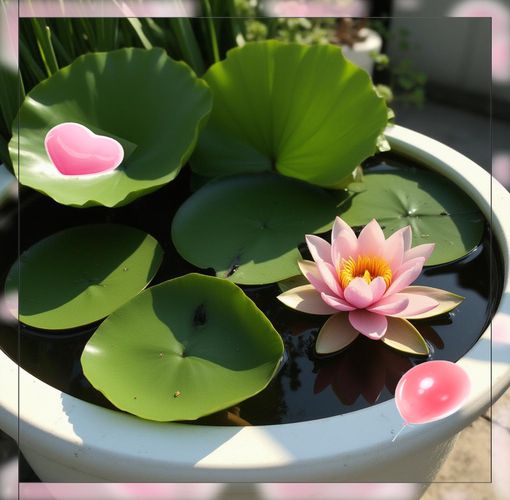
Iii. Certain sleeping lotus varieties undergo sexual non-sexual reproduction through the leaves centre. If a leaf centre is observed to grow a bud, it may not be necessary to intervene at an early stage to allow it to grow naturally. When leaves turn yellow, the handle is cut off with the budding heart and placed in a water or flower basin to ensure sufficient sunlight. After a period of about two weeks, when the buds grow up and grow their roots, they are grown in the normal form of plants, so that they can also enjoy the flowers that they bloom。
Sleeping lotus daily care and harvest
Sleeping lotus is a flower that is relatively easy to care for and grows at a fast pace and does not cause much damage even if it is occasionally affected by caterpillars or aphids. Interestingly, if the sleeping lotus were grown with the roses, the roses tended to have very few aphids, as the sleeping lotus provided them with sufficient food. As long as it ensures that enough light is received, it will thrive and bloom beautiful flowers。
In addition, the flowers of the sleeping lotus are not only of value but also food. After removing the outer petals of the flowers, the tea that is made is fragrant and rich in natural fruit glue. It needs to be noted, however, that the flowers of the dark colours are too fragrance and bitter, so they are usually used to make tea from light colours. In addition, you can try to mix the petals with milk, ice and sugar in the juicer so that you can make a beautiful and delicious sleeping lotus。