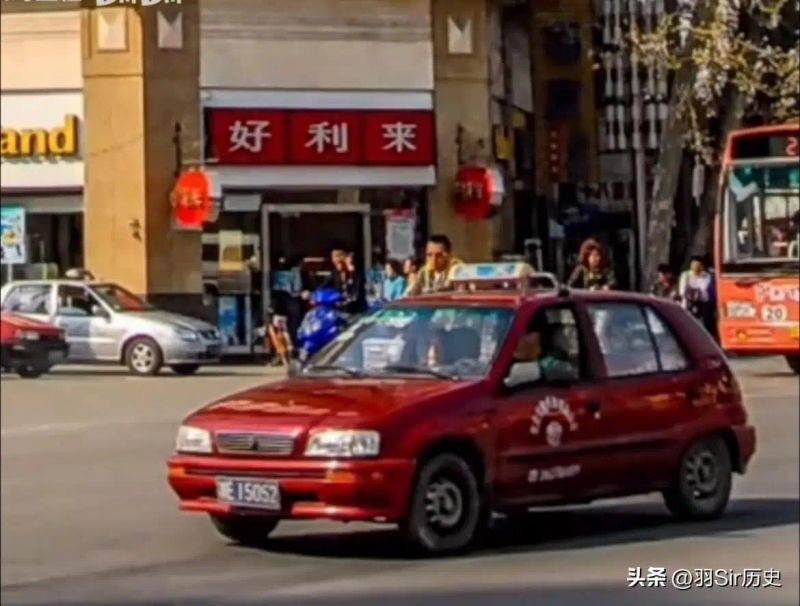
Back in the '90s, if you're waving around the road, it's probably a red car in front of you, harry。
It was the golden age of shaley, the first car dream of countless families, and the brightest view of the streets of the city. However, this national car, which was once homemade for 85 per cent of the next year and kept more than a million, was finally transferred at a dollar price in 2020. From the top to the bottom of the valley, shaley’s ups and downs were not only the ups and downs of a single enterprise, but also a true picture of the struggle of the chinese automobile industry between speed and quality, love and markets。

King of speed: 85% of national production in a year. Japanese experts can't read it
The story of harry began in the 1980s. In 1986, tianjin's car introduced the technology of japan's greatly launched rita, which is the birth of shaley. In that era, when foreign exchange was tight and technology was scarce, shaley had shown alarming chinese speed。
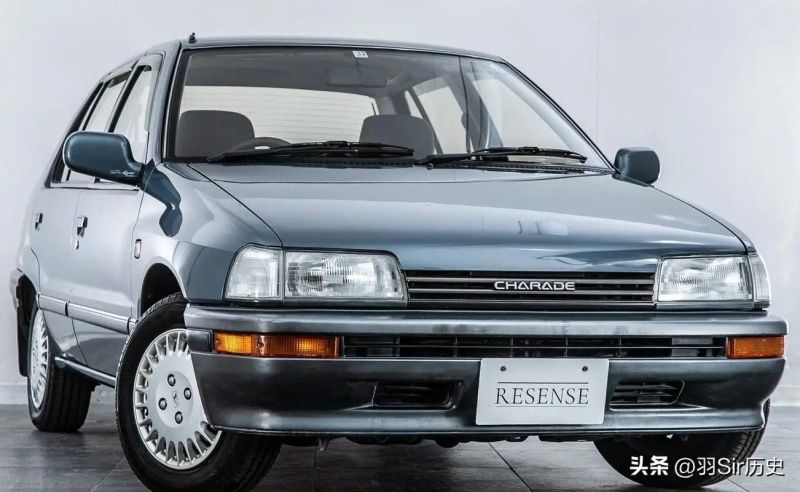
Harry's prototype. Big hair
According to historical records, the local production of spare parts began in february 1986 and by the end of 1987, the national production rate had reached 85 per cent. In contrast, santana, which had a rich atmosphere at the time, had been working for more than two years and had barely reached 2 to 3 per cent domesticization. This speed made japanese engineers stupid at the time。
The immediate benefit of speed is price down. According to the document contents, shaley started to assemble through ckd (full bulk assembly) at a price of close to $100,000, but with the domesticization of key parts, such as engines and transformers, the price fell rapidly to $780,000. In the early 1990s, this price was extremely lethal for private car and taxi companies。

Renter: 80% of all taxis in 1996 were sherry
In the mid-1990s, shaley had its bright moments. At the end of 1993, shali had crossed the threshold of 50,000 units per year; in 1994, 150,000 expansion projects had been included as a priority building project of the national planning commission。
According to public media reports in 1996, more than 80 per cent of the country's taxis were in shaley. During the period 1996-1997, when the real estate was extremely low, there was even a promotion to buy a house and send a charlie car, the extent of which was evident。
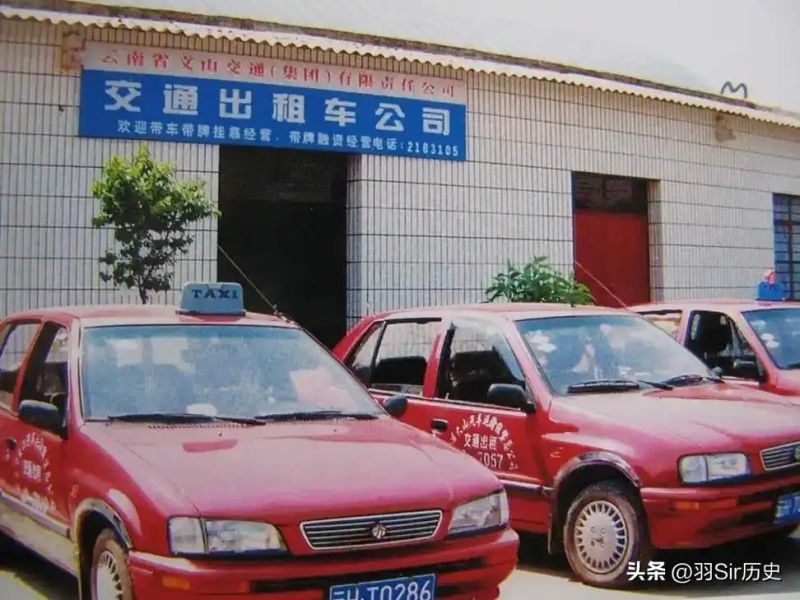
Upon entering the new millennium, shaley offered to sacrifice the flag of a price reduction, which went down to $450,000 per unit. This makes it marketable and becomes a real national chariot. In its 20 years of production, the cumulative production of shali reached over 1. 5 million, with market holdings of over 1 million, making it the first national car brand to sell over a million。

Quality hazard: radish is fast away from the mud, the fear behind speed
However, extreme speed and low prices have also set an ambush for the fall of shaley。
According to the paper analysis, shali, while well repaired and cheap, also had obvious disadvantages: insufficient power, poor high-speed stability and rough process quality. This is largely due to the fact that shaley was not a joint venture at the time, and that no one exercised the same strict quality control as the german mass control of santana. In pursuit of rapid delivery, shaley is relatively relaxed in terms of quality control。
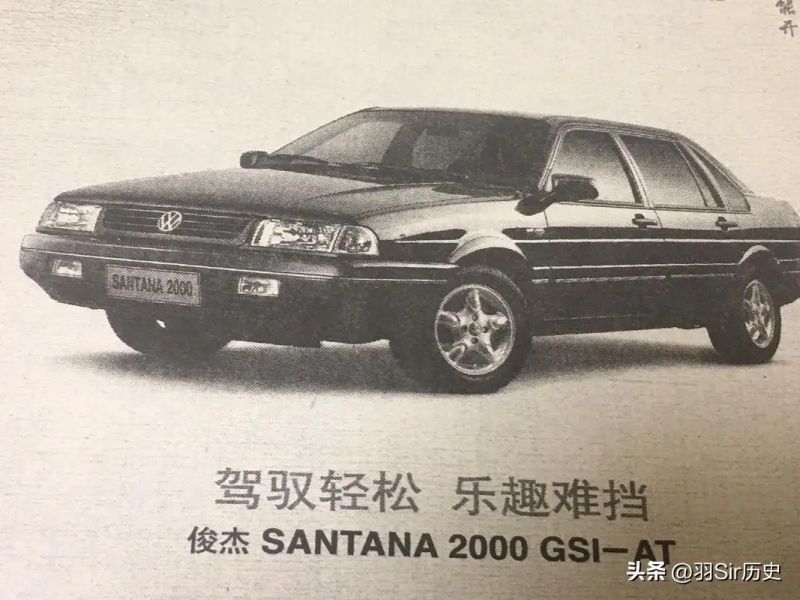
This radish is fast off the mud and survives in the early stages of market competition, but as consumer demand for car quality increases, the low-end image of shaley becomes entrenched. When other vehicles struggled with internal skills and international standards, shaley's backsliding was clearly inadequate。

Deadly hit: beijing ban and age abandonment
The turning point in the fate of shaley occurred in 2004. In that year, shaley had just closed down 1 million cars, but in order to improve the city's spiritual appearance, beijing had begun banning taxi companies from using shaley again。
As required by the policy at the time, the existing sherry taxi in beijing was to be completely eliminated by the end of 2006. This leadership in beijing has been replicated in more cities in the country. For harry, who is heavily dependent on the taxi market, this is no less than a disaster. Sales fell and brand image was severely damaged。
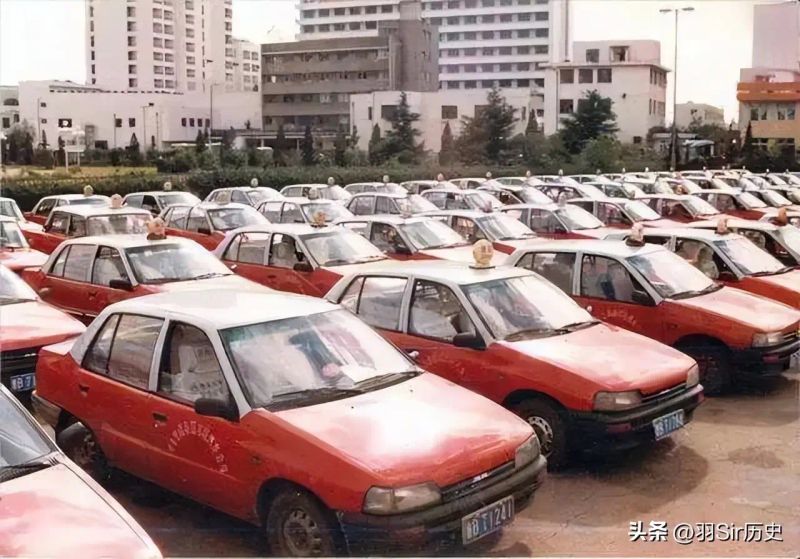
It was recalled by the old driver that many teachers cried when they watched the staff members tear down their cards and counters. This is not just the phase-out of a car, but the end of an era. Since then, shaley has not managed to reverse the decline, although he was integrated into a steam system in 2002 and had a short return of light。

One dollar transfer, one generation of carts disappear
Since 2012, shaley's main camp operation has never earned any more money. In order to survive, the company can only trade in cash by selling the shares of the internal combustion mechanism under its flag, the transmission branch and even a large toyota. But it's like drinking and thirsty。

Harry offered to sell his assets for $1
By 2017 and 2018, the shali brand was officially closed. In september 2020, one of the buses, shaley, completed the transfer of assets at a dollar price and completely withdrew from the car business. It is now known as china railway materiel, inc., and the main business has nothing to do with cars。

The rise and fall of shaley is a microcosm of time change. It leads to speed and low prices, as well as to neglect of quality and insensitivity to market changes. Shaley was not able to keep up with the team in time when people's needs were moving from weather cover to security, integrated energy and brand experience。
There's always a brand going down, and that's what it's all about. Although shaley disappeared, in that era of scarcity, the dream of a car for thousands of families remained an indelible red memory in the minds of older generations。