I. State of development: size, policy enthusiasm, speed of upgrading
1. Sustained expansion of industry
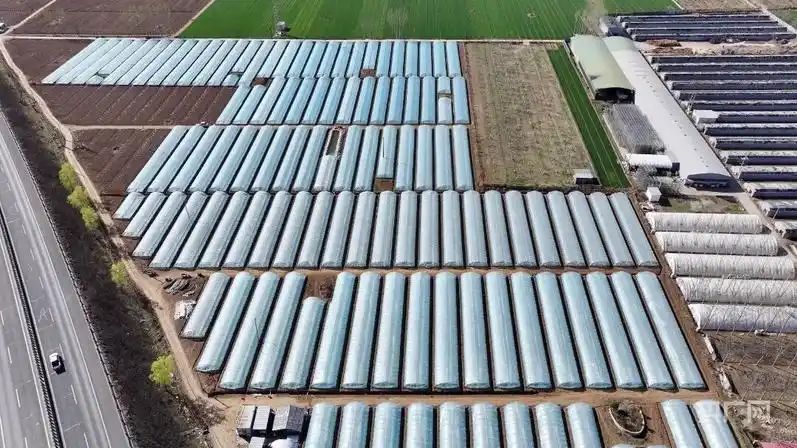
Our facility farming area has stabilized at the highest level in the world, with facilities producing more than 30 per cent of total vegetable production. There are currently more than 60 million acres of horticulture in facilities throughout the country, including greenhouses, solar greenhouses and plastic sheds. The expansion of traditional primary areas has continued, while new emerging areas are being followed up rapidly。
2. Unprecedented level of policy support
The state council's “fifty five” plan for accelerated modernization of agricultural and rural areas clearly states that “in-depth implementation of the operation for the modernization and upgrading of facilities” “to strengthen the autonomous development of agricultural equipment in modern facilities and to promote the upgrading of old facilities in an orderly manner”. The country level is moving from “encouraging new jobs” to “support for upgrading” — stock conversion will be the backbone of the next five years. There are various levels of subsidies for new high-standard greenhouses and for the intellectual adaptation of old sheds, with a few thousand acres and additional capacity of 30 to 50 per cent。
3. Smartization to core drivers
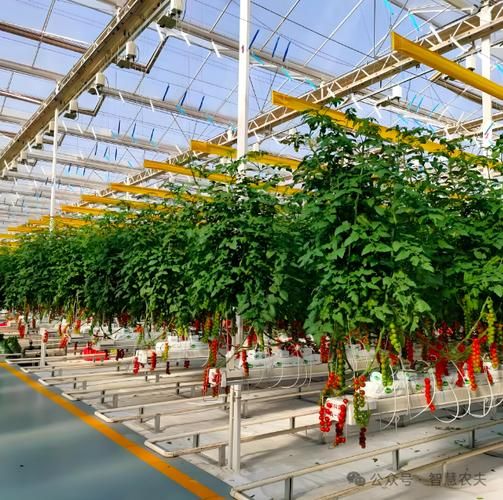
In the past, greenhouse sheds were scrambled with space and variety, and now with data and algorithms. Technologies such as internet-connected sensors, smart curtains, water fertilizer integration, and ai environmental regulation are spreading rapidly. A clear trend is that the new sheds are almost always planned for intelligent systems, and the old huts are being modified in batches. It is not a question of whether or not to go, it is a question of when to go。
4. Structural excesses coexist with quality upgrading
It is true that there is a structural surplus of vegetables in the general sheds, but high-quality, standardized and traceable agricultural products remain scarce. Supermarkets, fresh power suppliers, and export channels are in strong demand for “standard, data, branded” agricultural products, forcing the greenhouses to shift from “too much” to “good”。
Ii. How do investment prospects look
Investing in greenhouses is not a one-size-fits-all "can't" or "can't" investment, but depends on four dimensions: where the market is, where the policy is, how the cost is managed, how the money comes back。
Check market positioning — to whom do you sell your food
Before investing, think clearly. Common vegetables in wholesale markets, with low profitability and high price volatility, are extremely demanding for cost control and are suitable for scalable and mature hands. Standardized vegetables purchased by high-quality dealers, fresh electricists and community groups are more profitable, but require high quality, phase, supply stability and a combination of sorting packaging and cold chain capacity. Order farming, greater authentication and traceability for hong kong, australia or exports require greenhouses to have a digitized management base, but benefits are stable and risk manageable。
It is best for the newcomers to “order first, then build the shed” and not wait for the guests to come. If there were stable distribution channels, the recovery period could be reduced by more than 30 per cent。
Looking at the policy dividend — how much can be subsidized
The “fifty-five” programme explicitly supports the “older facilities upgrading” “subsidized acquisition of smart agricultural machines” “digital agricultural demonstration project”. The specific subsidies vary from place to place, and it is suggested that we go to the local agricultural and rural directorate first and ask three questions: are there any subsidies for the construction of high-standard sheds? Are smart devices (rollers, winders, water-composed machines, etc.) in the agricultural machine subsidy catalogue? What are the conditions for declaring smart agriculture demonstration projects
The inclusion of subsidies in investment recovery models can significantly shorten the current cycle. In some cases, the construction of new high-standard greenhouses can cover 30-40 per cent of the construction price。
3. Clear investment returns
In the case of the construction of a new 1-acre standardized solar hothouse, about 100,000 to 150,000 capital (civil construction + skeleton + covered material), 20,000 to 30,000 smart equipment (rolling + vent + water + fattening + sensors) and about 30,000 to 50,000 first-year operating costs (planting + fertilizer + manure + hydropower) with a total investment of about 150,000 to 23,000. In the case of winter tomatoes, for example, the current cycle usually goes back about three to four years. If subsidies were added, the cycle could be shortened to two to three years。
The greenhouse shed was not a windfall industry, but operated with steady returns. The core is not “will or not”, but “how” — choosing the market, using the technology, accounting, taking the subsidies. It is recommended that the model be validated at minimal cost。
For me, send you an “initiative pipes of smart agriculture” and an “investment budget table of different scales”. Not selling, just helping you figure it out. And my department is "swe and technology": it works for the empowerment of ai science and technology and for the upgrading of traditional farming. Welcome to my tour