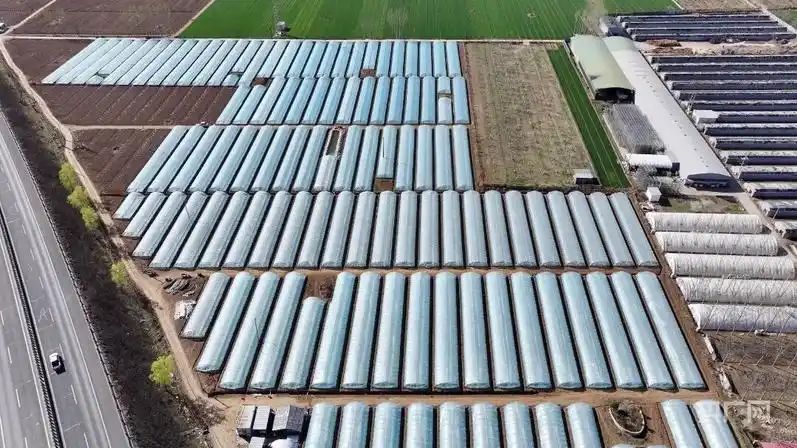
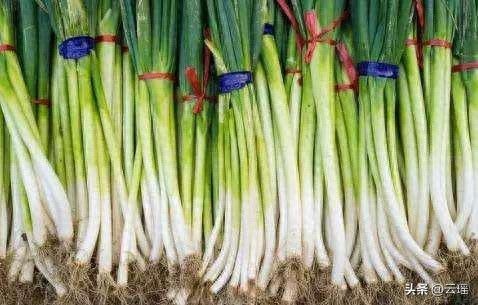
Yesterday morning, at around 9 a. M., a cold storm struck the land of xiamen, while the agricultural shed was warm and warm. The journalist entered the dealer's professional vegetable cooperative, a warm patch of mud and vegetables, and the cooperative manager, cai qingxing, is bending over to check the edges of the sheet. "the film is closed, and it's the best cold jacket in the crop." he pointed to the green cabbage in the shed。
Yesterday was a chill, which often meant the coldest time of the year for the region. However, unlike the cold winter in the north, the “cold” at this time is more implicit: the lowest temperature hovers at more than 10°c, sometimes at short temperatures. But this seemingly mild cooling, coupled with possible frost in high-altitude mountain areas, remains a challenge that needs to be carefully addressed for tender crops。
Cai qing guo said that the core secret of the vegetable sheds against the cold was “screech film” and “closed”. “don't underestimate the membrane, which at the critical time will have a `tampons' that will effectively isolate the air from the outside of the night and lock the warmth of the day inside the shed, where the temperature difference is more than 10°c.”
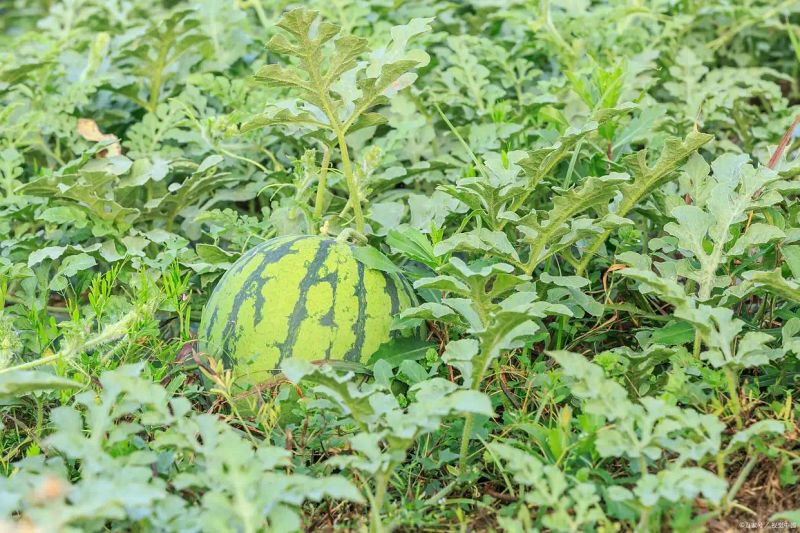
It's not just the leaves. At the cooperative level, a piece of papaya trees is quite “others” — they are small and fruit is full of branches. This is a rare, large-scale woodmelon-growing area。
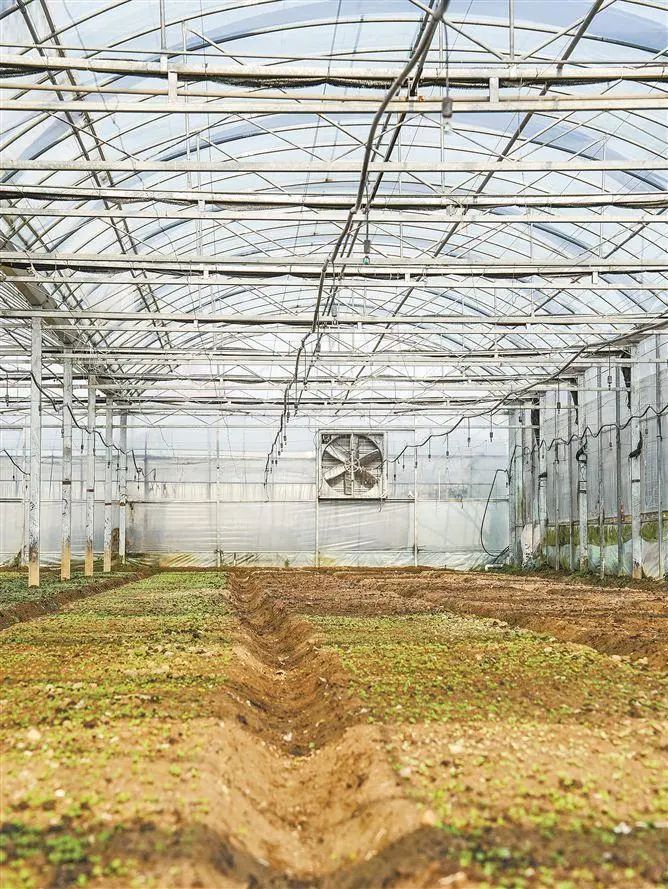
Crops are warm in the sheds for the winter. (this map/reporter, lu ken hao
“the papayas are the most afraid of frost, and traditional scattered cultivation can only be `food by heaven'.” cai qing guo described the fact that artificial dwarfation not only reduces the difficulty of harvesting, but also allows the whole tree to be completely protected by the warm “microclimate” created by the shed. “it is not necessary to wait until the onset of the cold. The fine management of day-to-day management is the foundation of the cold." he whispered in the trunk。
It's not far, and it's a busy harvest in guo's chili shed. He moved out of the shed a basket of freshly harvested cypress. “piprikas, especially yellow peppers and cypresses, are afraid of continuing to cool.” guo, with 30 years of experience in planting, is the secret to managing it. Whenever the temperature is forecasted to be low at night, he closes the huts in time for the afternoon, using the remaining heat accumulated by the nice weather to build up a mild night shield for the crops. “when sealed, the temperature in the shed will be much smaller and the crops will not `cool' and grow normally.” he said。
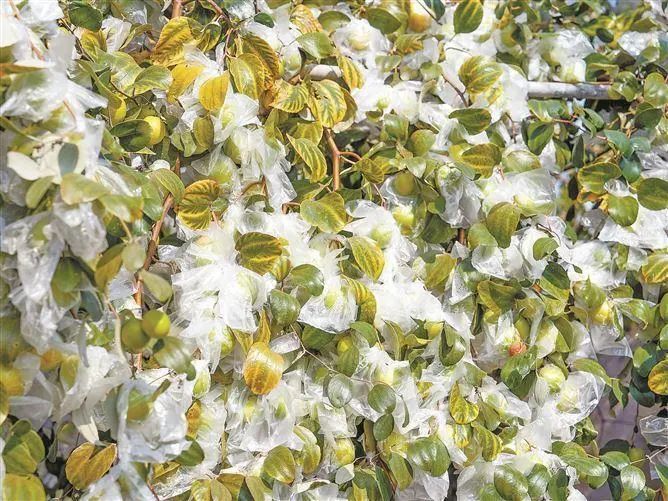
The milk dates are covered with plastic bags to combat the cold。
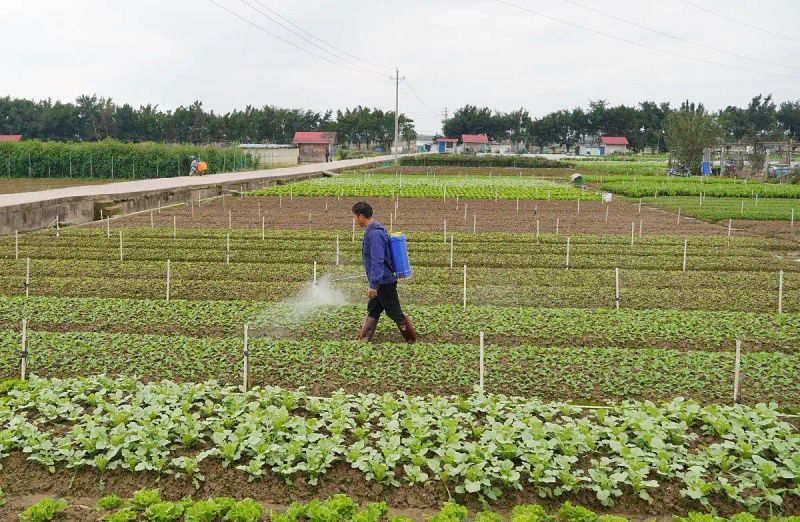
At the base of a professional cooperative for vegetables in the same camp village at higher altitude, the winter-proof strategy has added some mountainous features. “altitudes are high and the cooling of radiation at night is evident, with a higher probability of frost. "how can a technician stand in front of a large hut?" here, anti-cool measures place greater emphasis on “water control” than “separation”。
"wind water cannot be felt." it goes, "select the morning of the weather and control the amount of water. The soil is over-watered and can become wet and cold in cold weather, prone to damage to the roots of vegetables and causing disease.” in the hut below his feet, shanghai is characterized by good cold tolerance, as it is characterized by the thickness of the bamboo mustard, spinach blades and the depth of their colours. “the choice to plant such cold-resistant varieties in seasons, coupled with scientific management, makes local temperatures fully manageable.”
From traditional “passive resistance to the cold” to “actively controlled” temperature, the fields of the gate remain warm and warm, even though the cold is great. Through the promotion of facilities for agriculture, cold-resistant varieties and science-based piping techniques, the “basket” is effectively guaranteed and fresh vegetables and vegetables are supplied on a continuous basis。