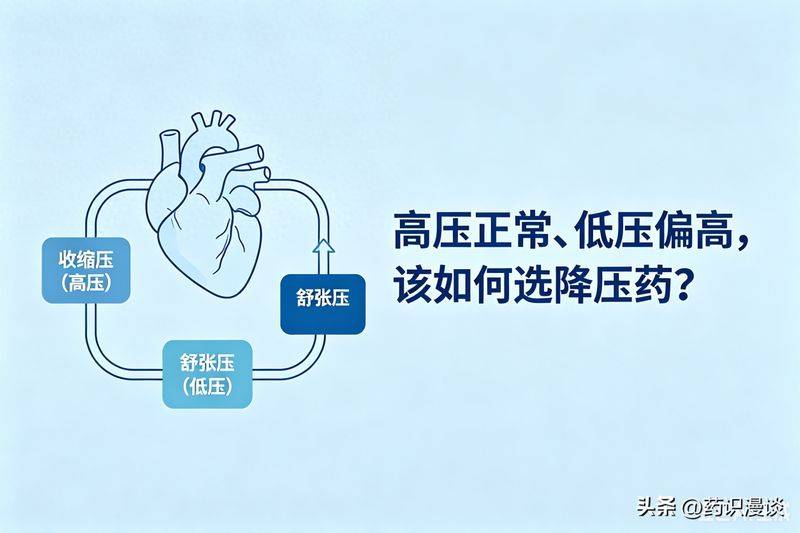
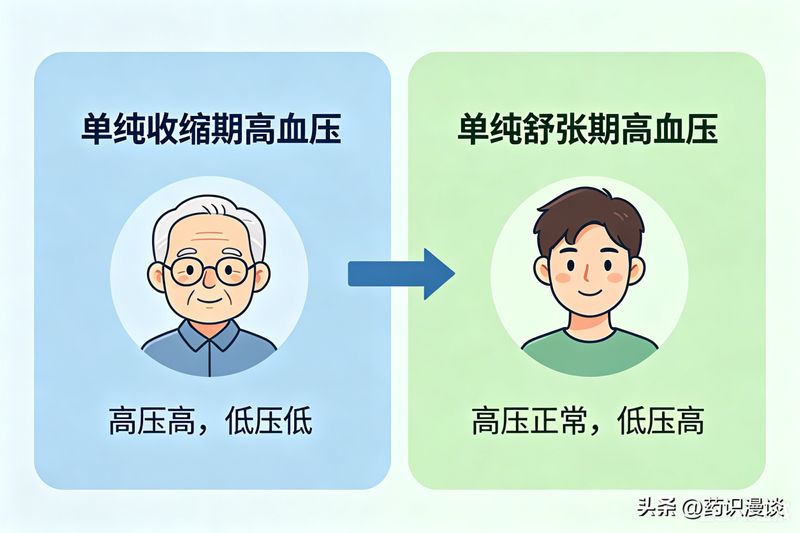
There is a special situation in which many people measure their blood pressure: the high-pressure values are in the right range, except for low-pressure excesses, which are clinically described as simple hypertensive periods, unlike the purely constrictive periods of hypertensive diseases common to the elderly, and the drug programme。
It's the principle of serotening
The human blood cycle is a closed vascular tube, with the heart as a pressure pump for continuous work, with a regular constriction of the condensation driving the whole blood cycle, resulting in two core values of blood pressure:
1. Constriction (high pressure): the heart pumps blood hard, a large amount of blood rushes into the artery in an instant, and the blood vessels expand in an instant, when the peak pressure on the veins is high
2. Repressure (low pressure): when the heart completes the pumping of blood into the condensed rest period and no longer transmits blood outwards, relying on the artery's own elastic retrenchment, continuing to push the blood flow, the underlying pressure of the vascular residual is low。
Blood pressure is controlled by two core conditions: the strength of myocardial muscles, and the elasticity of the body's artery。
The sclerosis and elasticity of the elderly's veins and their reduced capacity for angiogenesis have been reduced: they can ' t hold up when they pump blood from the heart and the pressure soars; they can ' t retort at the constrictive stage, but they are low, and they can ' t do so during the contraction period。
At the same time, the high and high pressure levels among young and middle-aged people are high and normal, with two main causes:
One is that the pace of the heart beats too fast, that the time of the heart stretch is significantly compressed, that the blood vessels are in a state of constant constriction, and that the low pressure continues to rise
The second is the increased resistance of small blood vessels in the outer body, the lack of smooth circulation of blood pumped from the heart, and the high amount of blood silt in the artery during the scalation period, with high residual stress。
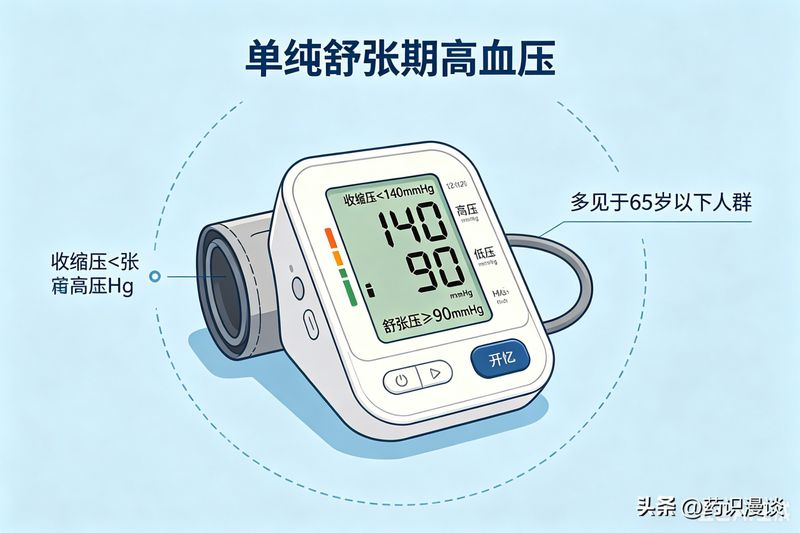
Definition of a simple hypertensive stretch period
Shrink < 140 mmhg, scalding 90 mmhg, confirmed as a simple scalation period, is dominated by young people under 65 years of age, and most patients are associated with the problem of lull rates。
Treatment options for depression
The core path of these hypertensive blood pressure is classified into the two types of hyperstimulant and renal vascular stressor activation, subject to a combination of heart rate stratification:
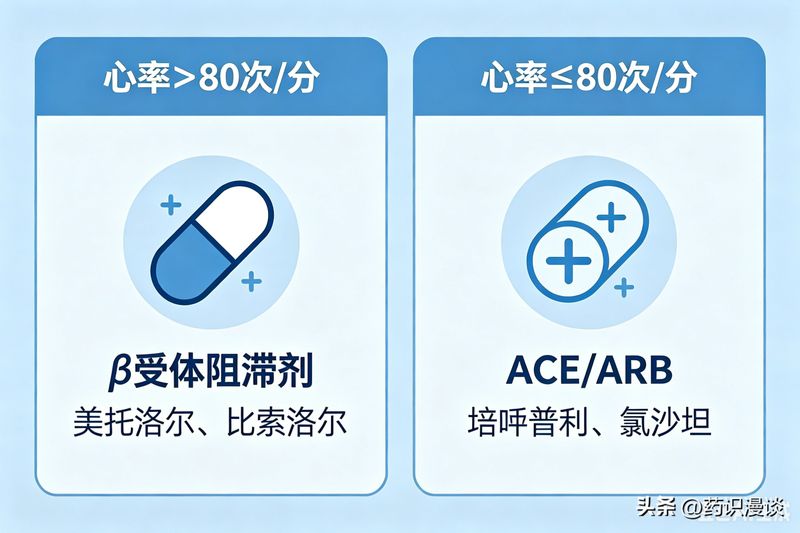
1. Silent heart rate in excess of 80 per minute: preferred beta receptor retardant
This type of drug inhibits hyperactive sensory nerves, slows the heart rate, reduces vascular stress in the outer perimeter and reduces the stress from the root causes。
Drugs are commonly represented: metolore, pisolore, cavedillo, nebilo。
2. Silent heart rate 80 times/minute: priority for acei or arb
The two types of drugs are used to regulate the route by renal-vascular stress, to expand the outer perimeter of small vessels, to reduce vascular resistance, to flat pressure and low pressure, to influence the temperature of contraction, and to adapt to population groups with normal low pressure over the standard。
Acei stands for medicine: peppli, inapli
Arb for drugs: chlorsatan, thathan。