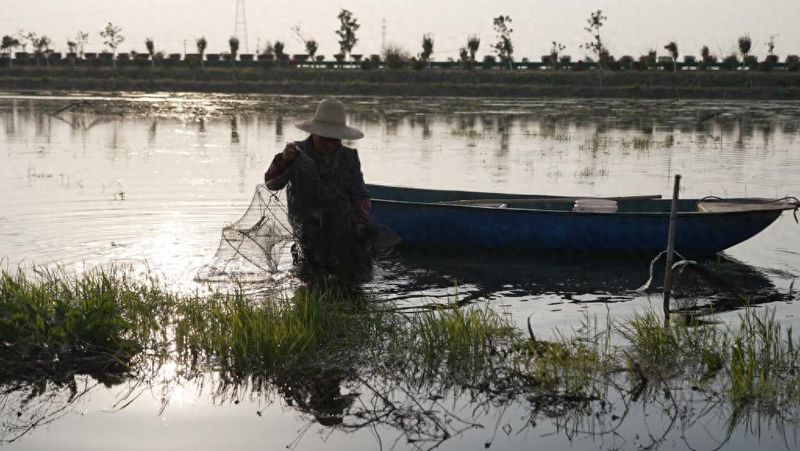
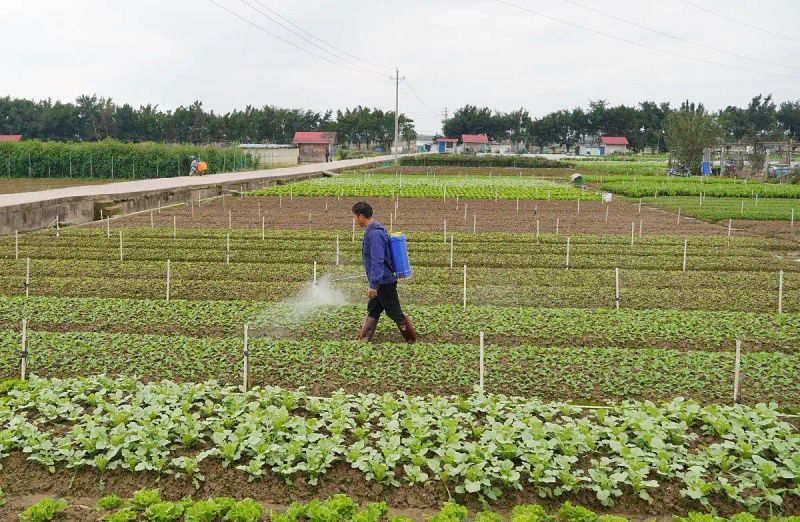
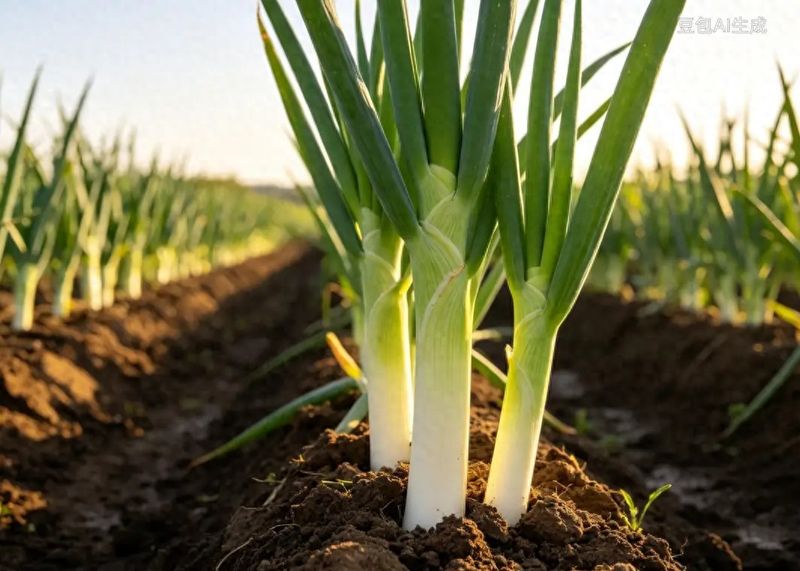
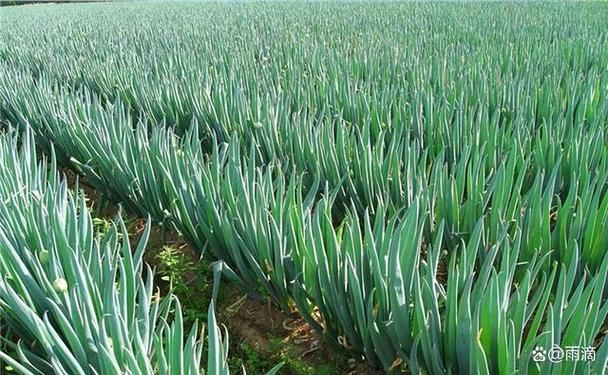
The day before the news service, the correspondent yeo yeo, entered the tumen daisy farm in tumen town, kanxi county, and the villagers were busy cleaning ditches, raising pickles, weeding, fattening... A hot and busy scene. Some of them have grown to 20 or 30 cm tall and are very happy。
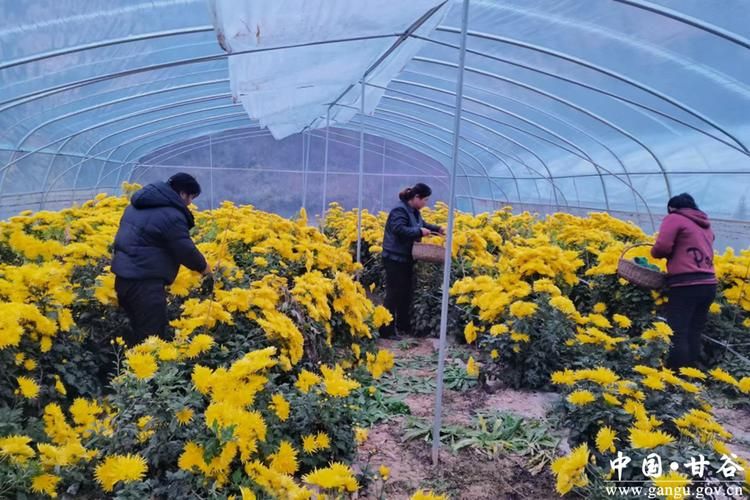
In recent years, the village of bampu, tumen town, has been adapted to local conditions, introducing the quincean daisies of the high mountains, vigorously developing village-level specialty industries, boosting rural renewal with industrial support, and boosting public prosperity with industrial development。
According to the village secretary, it takes about five months to plant and harvest the quincean daisies, and they are sold to the collectors after a process of picking, sorting and drying them, so that they will yield the benefits, with low investment, quick results and high yields, which are suitable for the development of the village。
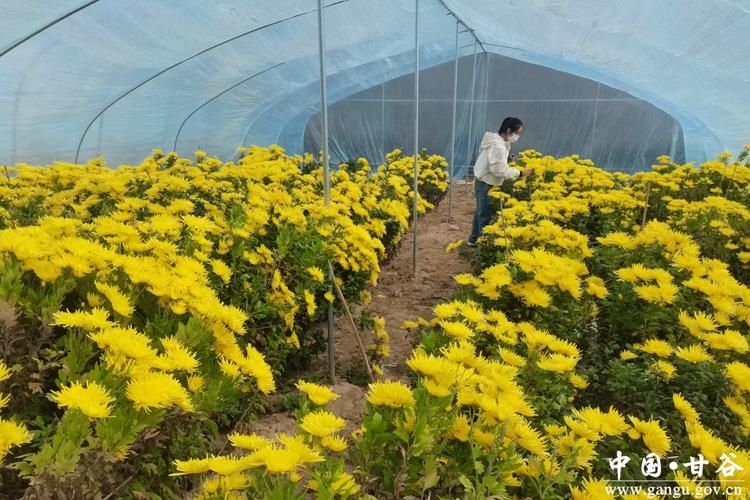
In 2021, a cooperative specialized in bamboo gardening took the “cooperative + farmer” model, with more than 250 acres of land in the transit villages to grow the gills, which continued from june to october, producing 3,500 pounds of flowers per acre and producing more than 300 pounds of dry flowers after drying up, and selling $200 per pound. Production is expected to double in 2022。
“the fields were previously uncontracted, many of which were part-time work outside, and are now contracted for rent and work in front of the home, earning $100 per day. From seedlings, weeds to plumbing, harvesting, it is essentially a year-long job, it is not tired, and it makes a lot of money in a year.” referring to the village's golden daisy plantation, the villagers ' eyes were full of hidden expectations。
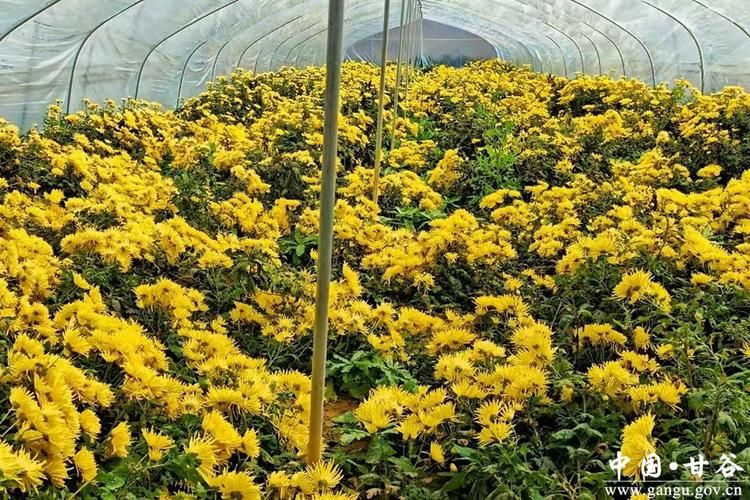
In addition to expanding the income channels of cooperatives and villagers, the production of the daisies has also increased employment opportunities for the surrounding villagers in terms of the labour needed for their care, harvesting and sorting, making them truly “rents” for shifting land, “pays” for domestic workers, and “equity” for shareholding。