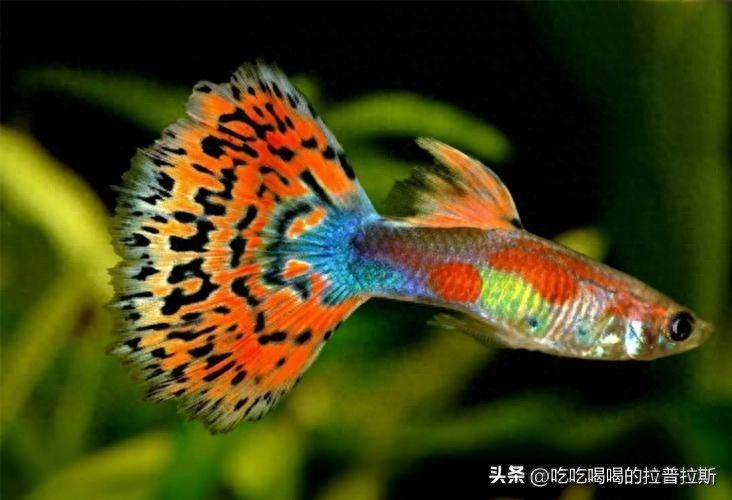
You want to experience peacock's "blaster"? With these core skills, your home is a nursery
"blower" is the sweetest trouble for every peacock fish player. There is no equivalent to what can be achieved when it comes to seeing a nest of small fish sprouts flourishing to the point where more fish can't fit. But why is someone else's peacock fish alive and you're like, "just smell it, don't see it?" it is not a coincidence that the blast tank was achieved, but a precise set of “system engineering” is required. You're not far from the blast tank
I. Battery base: building a five-star breeding environment
Reproduction does not begin when the mother is pregnant, but begins with the creation of an environment in which the fish are safe and willing to reproduce。
Water quality stability is the “during the sea”
Core parameter: ph maintained at 7. 0-7. 5 in a weak alkaline environment and hardness (gh) at 10-15. The most important thing is stability, and sharp fluctuations are the number one killer in reproduction。
Water-replacement strategy: 1/4 per week of water change, with the use of trapped water and a temperature difference of 1°c between old and new water. Regular water exchange simulates the rainy season and stimulates heat。
A “heart” of a fish tank
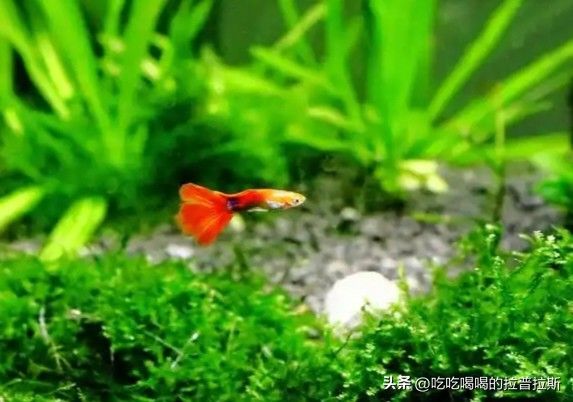
Detachments are key: intensive cultivation of soft water grass such as mos, goldfish algae, grass, or the placement of specialized breeding/segregation boxes. The aim is to give the mother a place to hide and the young fish a place to flee, with a significant increase in survival rates. A naked fish tank will only make the mother nervous and the young will be eaten。
Light and temperature: 8-10 hours of soft and light per day, with water temperature constant at 24-26°c (slightly above daily rearing temperature), a “catalyst” that breeds the desire for reproduction。
Fish management: eugenics and eugenics
Selection of “hero mother” and “healthy father”
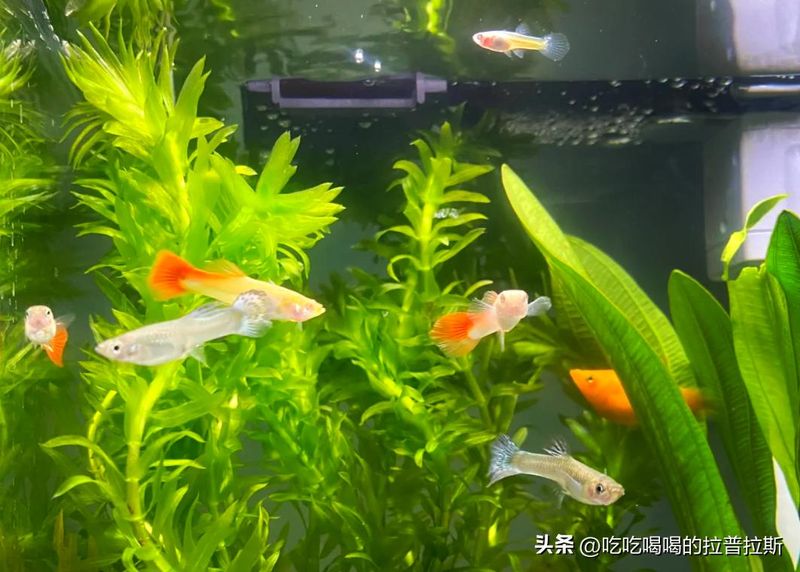
Female: select the individual who is 4-5 months old, strong, full of abdomen, active and moving. Too old or thin, poor quality and difficult to produce。
Fish: choosing tail fin stretch, colorful, active. The parent ratio recommends 1:2 or 1:3 to avoid over-hundling and stression of single fish。
Nutritional provision at the level of “lunar meals”
High-protein baits: incubated crayfish are the best foods for the crumbs and for the growth of young fish, and the nutritional value is unparalleled. One or two feeding sessions per day。
Quality feed: with high-quality thin or small particles。
Regular feeding: eat less, keep them in the best shape. A well-nourished mother, frequency of production and the quantity and quality of juvenile fish increase significantly。
Infant conservation: precision from “birth” to “fishing”
This is the core of the decision on the number of eventual “blasters”。
Isolation! Isolation
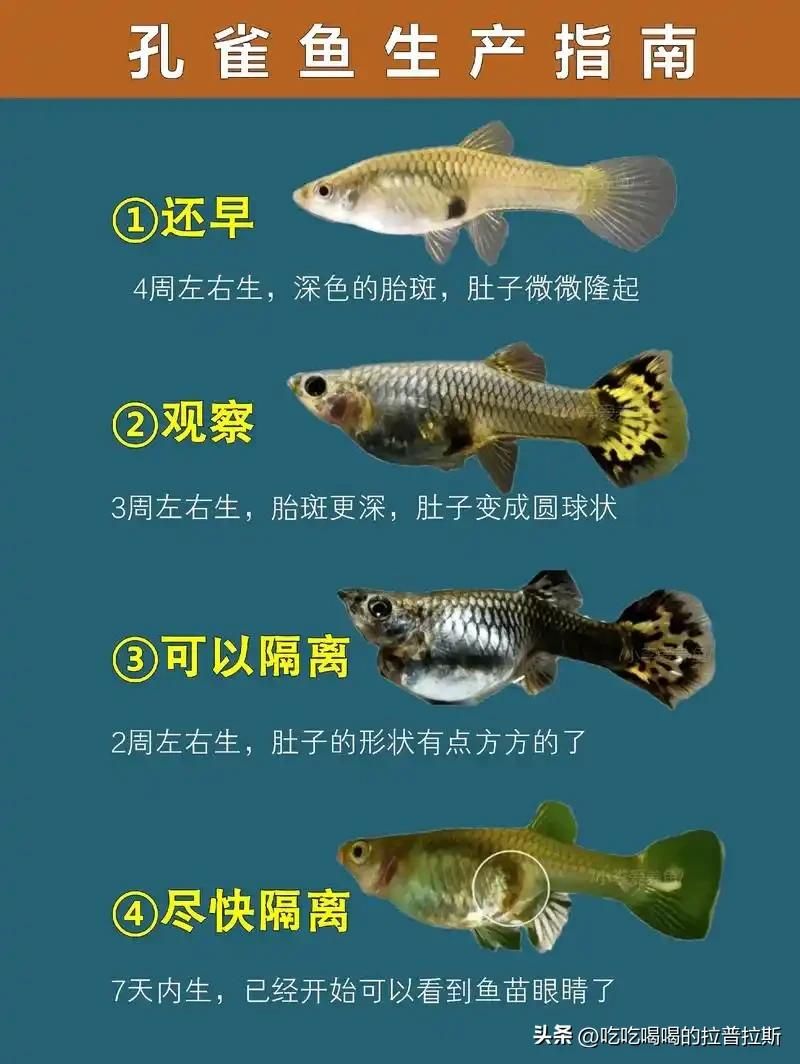
The mother was found to be alive (breeding in square form, with dark bellows and no moving in the corner) and immediately taken into a specially designed reproductive box。
The mother fish is taken out and put back in the main tank at the first hour of the post-partum period so that it can recover its strength and prepare for the next production. Remember: mother-child separation is the key to survival
“gold for 48 hours” for juvenile fish
The day after the small fish is born, the egg yolk must be fed。
Best opening bait: hatching shrimp larvae. Its size is moderate, nutritionally well-nourished and dynamic, stimulating the appetite of small fish。
Frequency of feeding: 3-4 times a day, whichever is done within an hour. The quality of water is clear and delicious。
Water quality management “precision”
Young fish are extremely sensitive to fluctuations in water quality. More caution is needed in the exchange of water, and it is recommended that the new water be slowly added by dripping。
A small moss ball can be placed in a juvenile bowl that is both a shelter and a contribution to maintaining water quality stability。
“happiness troubles” after a tatter: how can it be sustainable
You need to think about sustainable development when there are more small fish。
Control of closely related reproduction: after three generations of continuous reproduction, new species of fish of the same species, not related to blood, should be introduced to prevent genetic degradation and physical deterioration。
(c) timely partitioning: it is also easy to manage by rearing by size and avoiding the growth of small fish by big fish。
Community interactions: giving or exchanging fish seedlings in local fish friends or forums, sharing pleasure and optimizing their own blood。
Peacockfish blasts a tank, a practice of patience, observation and detail. It tests not how expensive your equipment is, but whether you really understand their needs. From building a safe home, to providing a nutritious meal, to guarding every new life — when you take these details to the extreme, blasting a tank is the inevitable result of the water to the canal。
# peacockfish # # how long will the peacockfish be born? # is it good or bad