1. Choice of varieties and aluminum: the varieties of pelvis apples shall have the characteristics of a tree that is susceptible to condensation, a short thick branch, a beautiful fruit, a beautiful fruit, a flower, a cosmopolitan fruit and a strong disease resistance. Commonly suitable plant varieties are pink ladies, winter red fruit, dunam evenings, short branch-based richer, beta apples, ballet apples, small and medium-sized branch-type varieties in the cs-58 esps, field marshals, and strong red and pre-literate varieties。
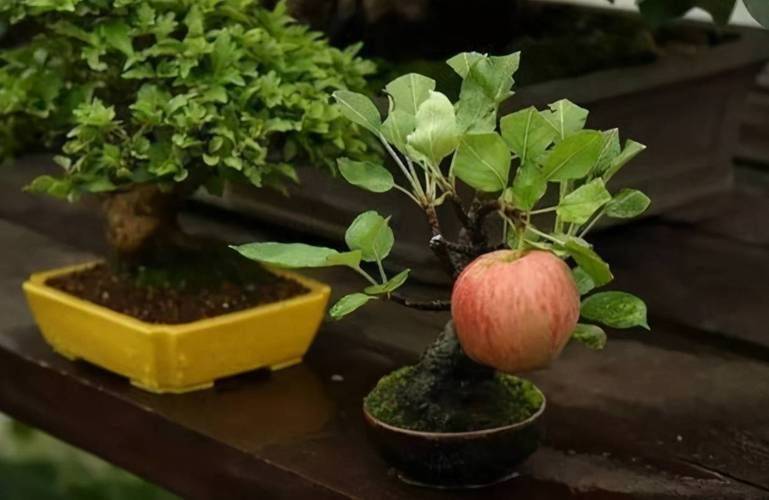
Applebaskets can also be made with beryllium wood, which is common and can be divided into two categories: condensed beryllium and chostery. Shortened logs are also of a very short, shorter, semi-depreciated type. The use of impregnated aluminum in the production of basin views can reduce the life cycle of the pelvis by reducing the relative size of the tree and the length of its early start. The most common shrunk logs are sh3, sh6, sh38, sh40, sl series, and the eastern molywood series m7, m9, m26, mm106. In order to grow a high-level apple-basket view, the choice must be made for gillwood, which has many roots and few coarse roots, which do not favour the drying of the root, and which is longer than gillwood. The most common species of gill wood are gills, beaks, lake bells, bells, mountains, etc. The aluminum is the material basis for life in the fruit-basin landscape, and there are differences in the performance of the aluminum/pee combination。
2. Fertilizer management: first we choose the right flower basin according to the size of the fruit tree. The trophic soil is then configured, and the trophic soil configuration requires a permeability of the water, sufficient base fat, and slightly acidic is the principle for in situ extraction. Battery apples are fertilized, pre-flowering should be dominated by nitrogen fertilizer, with a strong leaf and post-flower period dominated by potassium phosphorus fertilizer, and fruit growth. A flowering season of boron powder helps to increase sit-ins and sugar in fruit. Decorated organic fats, which are applied with phosphorus fertilizer after falling leaves, are base fats. Depending on the size of the plant, care should be taken to shift the basins to ensure soil fertilizer and prevent the separation of roots after the roots are too strong. Fertilisation should be carried out on a small number of occasions, and nitrogen fertilization should not be over-utilized, otherwise it is easy to grow branches, and the branches are mature and slow to produce flowers. Water should be wet and dry。
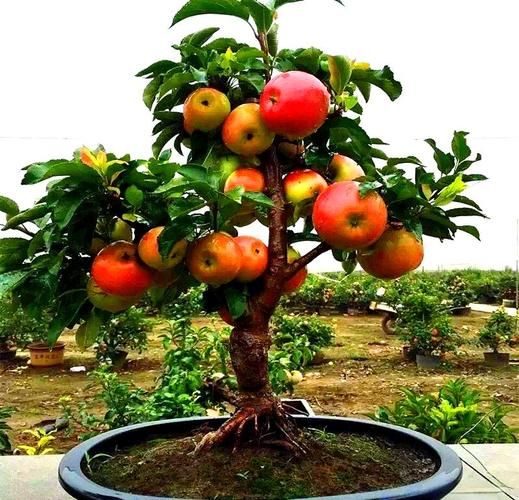
3. Modified: in order to achieve a good strain, the basin needs to be trimmed, pulls, climbs, etc., in order to be shaped or better appreciated. An apple tree can be trimmed for four seasons. Spring shears take place before the spring bud begins to bloom. Spring shears can increase the budding rate, promote short and medium branches, and rationalize the gravy. The loss of nutrients in the spring clippings tends to weaken the tree position and should be light and heavy. The summer cut, which takes place after flowering and before the fall, improves the light, promotes secondary branches, accelerates the formation of the larvae, eases the tree and branching, and promotes the separation of buds. Shearing is done by cutting the leaves, opening the angles of the branches, and the stem branches of the young trees take their hearts, twists, pulls, strips, etc. Circumcised and circumcised during the guillotine season, with thawing of leaves in the buds. Retracting the shears should be moderate and should be done in a way that is based on heart-sharping, branch-orientated angles, and that does not lead to too many branches, short-cuts, and overheating. Autumn shears will take place after the autumn season is about to stop growing or growing, to enrich the branches, to produce good-quality short branches, to re-emerge the inner chamber branches, to make the tree crown radiant, to promote the colour of the fruit and to improve the quality of the fruit. The thawing takes care of the autumn of the twig tree, removes the dense leaves, flattens the branches, flattens the branches, adjusts the angles of the branches, prevents the twig and the large branches from cracking, and removes part of the leaves around the fruit. The nutritional damage caused by the fall shearing is greater than that caused by winter cutting, which should not be too heavy and should not be applied on weak trees. Autumn cutting times are appropriate, lead to secondary growth too early, and it is difficult to achieve good results when cut too late. The winter cut dates from the fall of the apple tree to the second year before the sprouts. Winter shears are usually combined by a combination of shearing, short-cuting and retrenchment, promoting a combination of controls. The larvae focus on the formation and adaptation of the tree structure, with the result that the tree focuses on the formation of large, medium and small branches of the result, and the adult tree looks at the adjustment of the growth pattern, striving to grow and to balance its positions. Winter shears are designed to prevent the shears from being frozen, and shears are better protected from freezing or dry strips. Cutting can make the tree look good, usually with new branches that are easily stymied and should start before the branches are fully ageing. In addition to these measures, the rebasket can be replaced with appropriate roots, making the tree more cheesy。
4. Flower fruit management: circumculation, i. E. Cutting a branch with a sharp knife for one week at a time, deep in the wood sector, cutting off the lumber tissue of the pelvis, favouring the stubble and lumbering of the branches, before the new branches become wooded, twisting, folding, and water-control fertilizer management a month before the flower blooming, can boost the short and medium branches for the buds to form. Following a series of flower promotion measures, the flowers flourish, followed by artificially assisted pollination and increased sit-in rates. Selecting the appropriate pollination species, using flowers, removing the two flowers from the pharmacists and then placing them in the area of ventilation at a relative humidity of 60-80 per cent, apples have the highest rate of pollinating fruit on the day when the flowers are open, apples have shorter flowering periods and pollination is timely. When the branches are full of small fruit, care must be taken that the fruit is purified and beautiful. Avoid excessive nutrient consumption, with little or no results in the coming year。
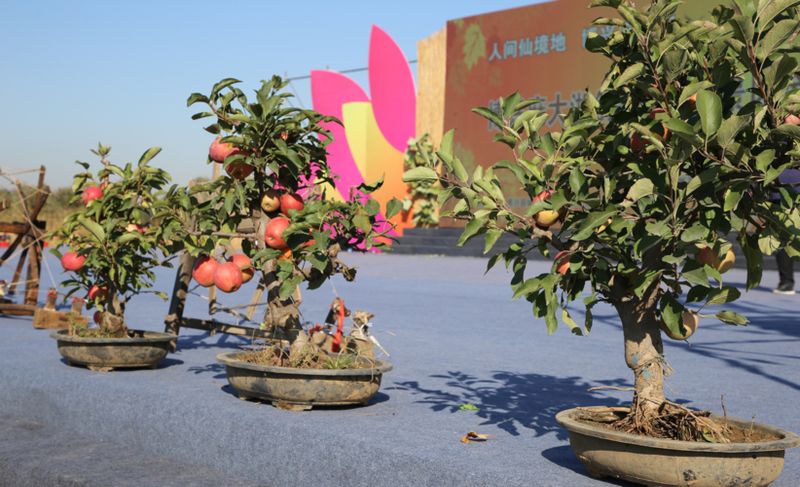
5. Disease management: when plant apples are managed, they are generally less ill, and it is found that a small number of bugs can be eliminated manually, after all, they can be eaten by themselves. If you can't control it, spray it. There are also several hormones, multi-activated aphids, condensers, b9 (extremely high, which can be used to plant a dwarf), acrylic acid (which can be prolonged), pbo (promoting increase in the amount of flowers, increase in the rate of sitting fruit, increase in the amount of sugar in fruit), common apple pests such as red spider aphids, etc., and common diseases such as tan. Pyrethroid insecticides can be treated with polybactrin。