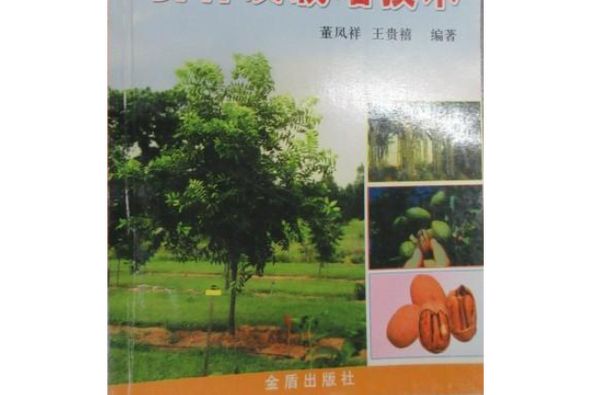
1. More extensive research has been carried out on the ecological biological properties of walnuts, breeding techniques and high-yielding and stable techniques. In anhui province, walnuts may be divided into two species: walnuts from the south and walnuts from the west. The walnuts are colder and more venom-resistant in their growing properties, with annual average temperatures of 13. 5-17. 2°c, annual rainfall of 1,300-1500 mm and peaks of 200-800 metres above sea level. Mountain walnuts require sufficient moisture for their growth and different tropics require different water requirements. Spring growth, varnish development, fruit growth and bare bud growth periods require water to be well and even. Drought affects the development of flowers and fruit and increases fall and empty fruit. A study of walnut sprouts and flowering habits shows a significant negative correlation between the number of days, the amount of rainfall and the amount of production. Soil fertility is the dominant factor affecting the growth and development of the walnuts, with the highest number of limestones in the masonate distribution area, and the growth of the walnuts is better suited to the development of the black and red soluble limestone with limestone, the development of the rock, and the development of the shale. Tests of walnut seed storage have shown that the selection of dry, well-watered slopes to dig pits (or kilns) to accumulate sand layers is more effective. When seeding, preference is given to well-established nurseries, with high-bed seedlings, with seeds being harvested and then sprung, seeds are planted in the grass and pine fields, which should be protected from sunburn, fertilizer and pests. Cross-testing of walnuts and crustacean walnuts has been successful, both positive and reverse, with high sit-in rates and a marked pollinosis. The hybrid f1 seedlings, compared to the natural pollination control seedlings of the mother tree, are high and have a significantly faster growth of root roots, showing a strong bastard advantage, all with the same morphological characteristics as the parent tree. Low-dose gamma-ray pollen treatment, with an increase in the symmetry, but with no separation of the hybrid f2 genre. Neither walnut nor shell walnuts, which are the mother of walnuts, nor walnut hybrids have been given seeds. The size of the walnuts in production is evident. There are many factors that affect the years and years of walnuts, including climate, biology, soil and human factors, in addition to their biological properties. Nutritional conditions are the dominant factor that causes years and years, while other external conditions, such as climate, pests and pests, and timing and techniques of harvesting, can increase or narrow the gap between ages and change the age interval. The walnuts pollinating during the pollination season and the low rainfall are conducive to the pollination of the walnuts and can increase production. An analysis of the causes of premature walnut failure shows that the factors associated with premature decline are altitude, topography (sloping, slope, slope), depression, pests and management levels, among which altitude and topography have a decisive impact on the occurrence of early decay。
Current problems with planting techniques include quality optimization, harvesting methods, product conservation, etc. In terms of quality optimization, walnuts address thin shell research, particle size, saturation and bad seed control. Innovative methods of harvesting are needed to address the traditional, dangerous, time-consuming and costly backwardness of manual tapping and to conduct research on mechanization and chemical methods. Mountain walnuts are highly vulnerable to bad seeds (commonly known as rigid seeds) and haze seeds (commonly known as oilseeds) due to their high fatty content, the former being due to the fact that they are drying up the outer crust of the walnut during the cold season, the first mature fruit contains a large amount of water, which is already degenerative before harvesting, although difficult to distinguish, but not contagious, and the latter is less harmful, mainly because of weather and temperature, the failure of the walnut walnut walnuts to go to the skin in time or the low level of sunscreening of their raw seeds, the emergence of hares, the presence of dark oils and bright oils, the majority of which are due to the drying of the walnuts and the deterioration of the internal fruit, generally not contagious during the seed phase, and are less likely to be harmful, most of which is due to the increased humidity of the weather, which results in the loss of oil, which is more visible, has a direct impact on the quality of the wals, and has a much greater effect on the processing of the cold seeds, its research orientation should be divided into the preservation of raw seeds (with taped preservation) and the preservation of finished products. The former type of research is on mountain walnut drying and freshness, while the latter category is on the development of new technologies for the protection against haze seeds and haze infections (e. G. Deoxygents) and advanced packaging techniques (e. G. High resistance diaphragms such as kpp compounds)。