"is there anything wrong with the plug full of appliances?"
"wet-hand plug, should we be okay just once?"
"the old house's wires are getting old, okay?"
In life, many people hold “fateful thoughts” about electricity security without knowing that every oversight can cause great harm. According to ministry of emergency management data, the proportion of fires and electrical accidents caused by improper electricity use is over 30 per cent per year, most of which is due to the neglect of basic safety awareness。
Electricity, which has long been integrated into all aspects of our lives, from home lighting to office equipment, from kitchen appliances to mobile phone charging, is not only an essential skill of an electrician, but also a common sense of survival for every ordinary person。
Today, we have prepared a very practical manual of commons for the safe use of electric power, which covers a wide range of scenarios, including home, office, outdoor, etc., which are proven “life-saving points”, which are simple, accessible, and quickly collected and shared with family and friends
I. Home electricity: these “lethal habits” change
Families are “high-risk areas” where electricity is safe, especially for the elderly and children, and are more likely to be at risk from inappropriate use of electricity. These common misconceptions must be corrected immediately:
Input "overload" use
Many prefer to plug all appliances together with “pore-pore plug-in boards”, such as large power appliances such as air conditioning, heaters, electromagnetic furnaces, and so on. This can lead to excessive electrical outages of the plugs, the heat of the wires and a high risk of short circuits and fires。
Correct practice: a plug-in panel connects up to 2-3 small power appliances, and large power appliances (e. G., air conditioners, water heaters, microwave stoves) must use a stand-alone plug and its specifications match the electrical power (recommendation 16a large power plugin)。
2. Wet hand operating appliances/touch switches
A lot of people are sick when they wash their hands and pull the plug and press the switch without drying. Water is a conductor, and wet hand operations can significantly increase the risk of electrocution, especially in wet environments such as bathrooms and kitchens, and the probability of electrocution will double。
Good practice: dry hands before running electrical appliances, touching switches; wet areas such as bathrooms, kitchens, etc., must be fitted with waterproof plugs and splashproof boxes to avoid spilling over to electrical appliances and switches。
3. Aging and non-replacement of wires
The old house wires are ageing and cracking, and if the new house wires are bitten by rats and crushed by furniture, they can be exposed, short-circuited or electrocuted. Many people feel that they can “work as long as they can” without realizing that this is a great security risk。
Correct practice: periodic inspection of household wires, plug-in boards, discovery of aging, broken, exposed, etc., and immediate replacement; electricity lines must be removed from heat sources such as heating, stoves, etc., to avoid crushing by heavy objects。
4. Private conversion of circuits and installation of electrical appliances
For convenience, some change their own circuits, install lamps, water heaters, etc. Without knowing the principles of the circuits and safety norms, and are prone to problems such as miswires and poor grounding, causing electrical shocks or fires。
Correct practice: circuit modification and electrical installation must be operated by a professional electrician, who is strictly forbidden to work privately; after installation, the electrician is required to check and check to ensure that safety standards are met。
Emergency management: in case of an electrical accident at home, the power switch must be shut down immediately, or the power wire must be drawn from dry insulations such as wooden sticks, plastic sticks, etc., so as not to use the hand to pull the electrocutor directly; if it occurs
Electrical fire
Power cuts before fires are extinguished and water cannot be used directly。
Ii. Equipment for offices: these details should not be ignored
The following details should be noted:
Outdoor electricity: these “no-go areas”, do not touch
Outside electricity is complex, especially in the rainy and windy days, and it is important to be safe
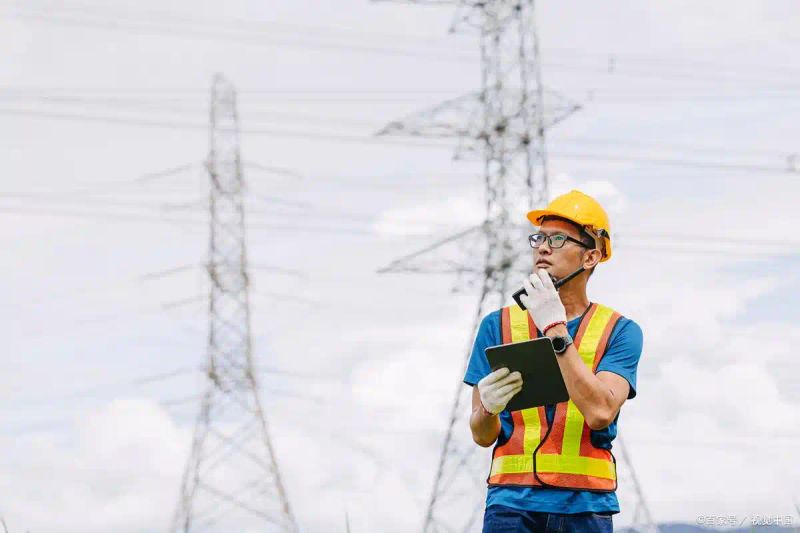
Iv. Equipment of energy workers: professional security regulations
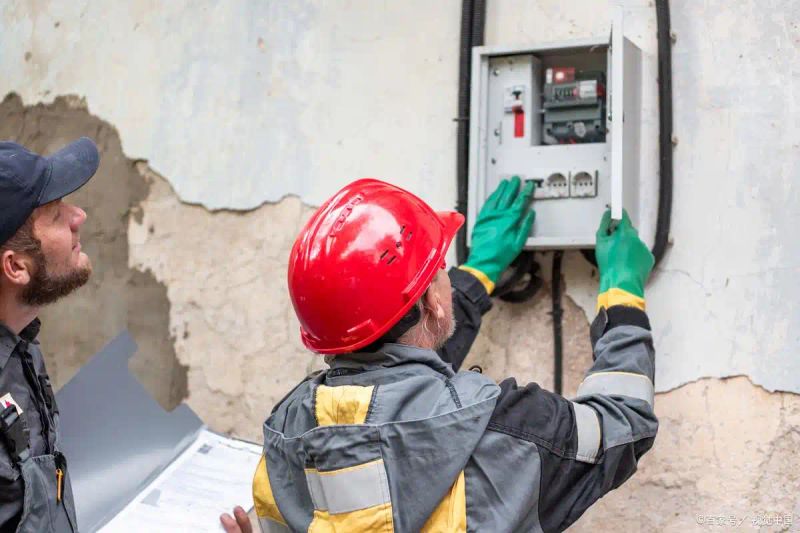
For electricians, in addition to basic safety standards, professional safety norms must be strictly observed to protect themselves and others:
Finally:
There is nothing small about electricity security, and a small oversight can cause irreparable damage. These common knowledge of safe electricity, which seems simple, can protect the lives and property of our people and those of our families at a critical time。
It is recommended that this article be kept in a collection, which is regularly viewed as a reminder, and shared with families, friends and colleagues, so that more people can learn about safe use of electricity, away from the risk of electricity use。
If there are questions about the use of electricity in everyday life or at work, such as “how to judge the ageing of the wires”, “what about always jumping out of the booths in the house”, welcome to the comment area and we'll talk about it together
I think it's a useful article, just order it and make more people care about electricity security