Electricity in everyday life
And production is everywhere
Safe electricity is life
In case of an electrical accident
Vulnerability to casualties
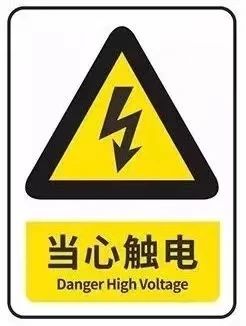
Safe electricity is vital
I've learned from electricity

What's the most volatile case
1. Installation of power lines does not meet specifications. For example, temporary emergency circuits are too low; power lines share a pole with telephone lines, which have been rounded up for a long time; and telephones are taken outside of the storm。
2. Electrical equipment is damaged or does not conform to specifications. For example, electrical light switches for daily lighting, damage to headlights, broken seat lids, non-repair of electrical equipment such as electric motors, transformers, etc., and the absence of surface wires on iron shells。
3. Power feeders, temporary lines, electrical equipment do not contain separate leak switches and therefore cannot be cut immediately after an accident。
4. Non-compliance with safety protocols and procedures is a serious problem. For example, the installation of electrical lamps, the failure of electrical appliances to break switches and lock boxes, and the removal of electrical wires without the use of insulation materials to save the electrocutors。
5. Accidents in daily life. For example, when a kite is flown, the wires are on the wire; the wind breaks the wires, etc。
How can electricity be used safely
1. To learn about the power switch and learn to shut down the power in emergency situations。
2. Do not contact or test the internal power source plugs with hand or conductive appliances (e. G. Wire, nails, pins, etc.)。
3. The electrical appliances are not exposed to wet hands, but are not wiped with wet cloth。
4. Power plugs shall be removed upon the end of electrical use; power plugs shall not be pulled to prevent electrical insulation damage to the power line from causing electrical contact; and wires shall be decorated by replacing new wires or packaging them with insulation tape in a timely manner。
5. Do not remove or install power lines, plugs and plugs。
What should we be aware of with electricity safety
1. Do not move running household appliances by hand. If you need to move, the switch should be closed and the plug removed。
2. Do not repair the powered circuits or equipment in the home naked. If repair is necessary, the power supply shall be cut to determine that it is non-powerful and shall be repaired by qualified personnel。
3. For frequently used appliances, practical safety measures are taken to prevent electrocution, such as the frequent use of electrocution pens to test whether metal casings are charged with electricity, and the loading of leaking electrical switches。
4. More rain in the summer, such as water seepage in the home, should be cut off first。
What if we find an electrical accident
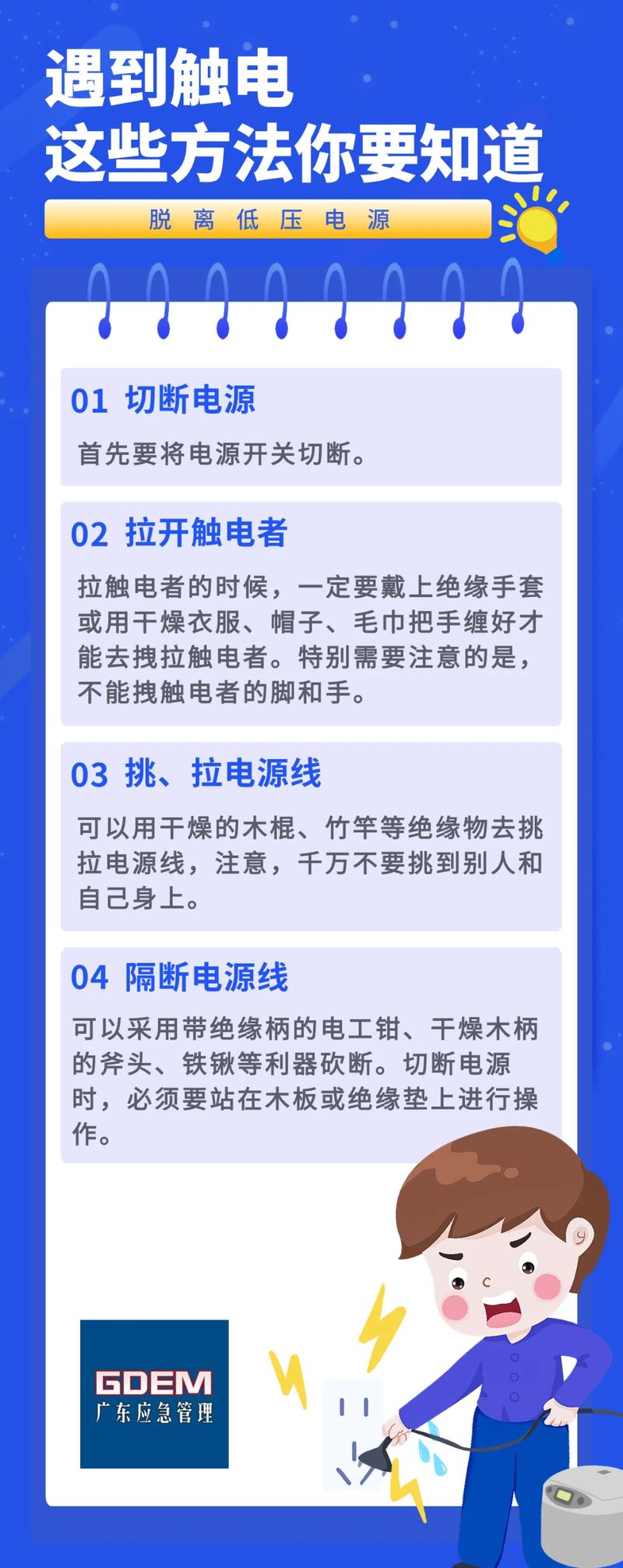
Low voltage power
1. Cut the power. First, you have to cut the power。
2. Pull the electrocutor. In case of electrocutors, they must wear insulation gloves or be wrapped in dry clothes, hats and towel handles to pull the electrocutor. It is particularly important to note that the feet and hands of those who cannot be electrocuted。
3. Pick, pull, pull. You can use dry insulations, such as wooden sticks and bamboo poles, to pick up the power lines, and be careful not to pick others or yourself。
4. Disconnecting power lines. Cutters with insulation, axes with dry wood handles, shovels, etc. May be used. When power is cut, it must be operated on board or insulation pads。
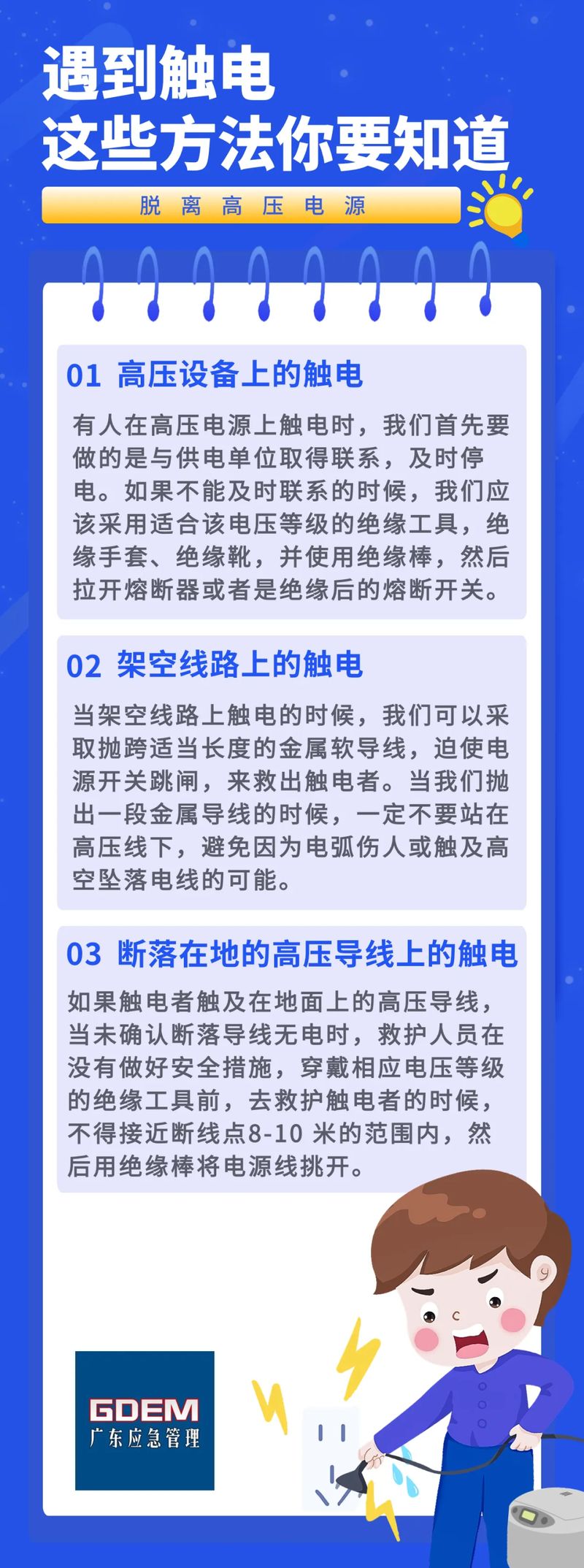
High voltage power
Electromic contact on high pressure equipment. The first thing to do is to get in touch with the power supply unit and shut down in a timely manner. Insulation tools, insulation gloves, insulation boots, and insulation rods should be used in case of failure to communicate in a timely manner, and then the melting switch should be removed or removed after insulation。
2. The electrocution on an empty line. When electrocution occurs on an empty line, it is possible to save the electrocutor by throwing a metal soft steering line of sufficient length across the interface to force the power switch to jump. When a metal guide is dropped, do not stand below the high pressure line to avoid the possibility that the electric arc may hurt a person or touch the line at high altitude。
3. The electrocution on the high-pressure guidance line that is cut off from the ground. If the electrocutor touches the high-voltage guidance line on the ground, the ambulance worker shall not approach the breakline 8-10 metres and then remove the power line with an insulation rod without having taken safety measures and wearing an insulation tool of the appropriate voltage level。

Source: ministry of emergency response management, people's republic of china