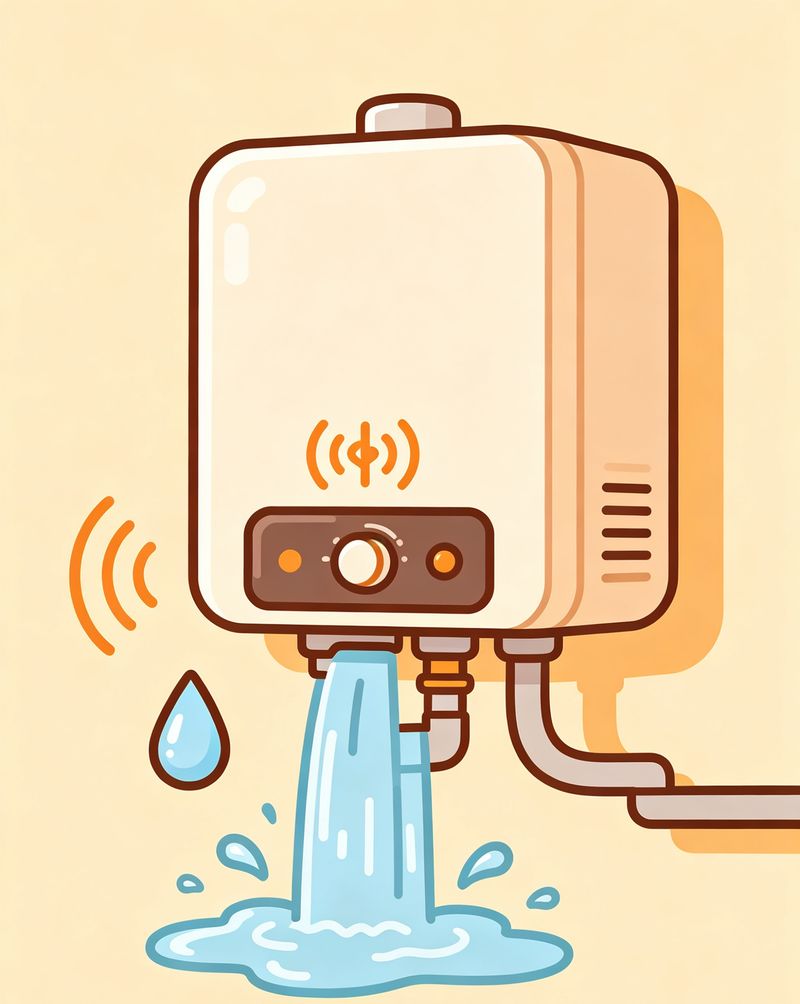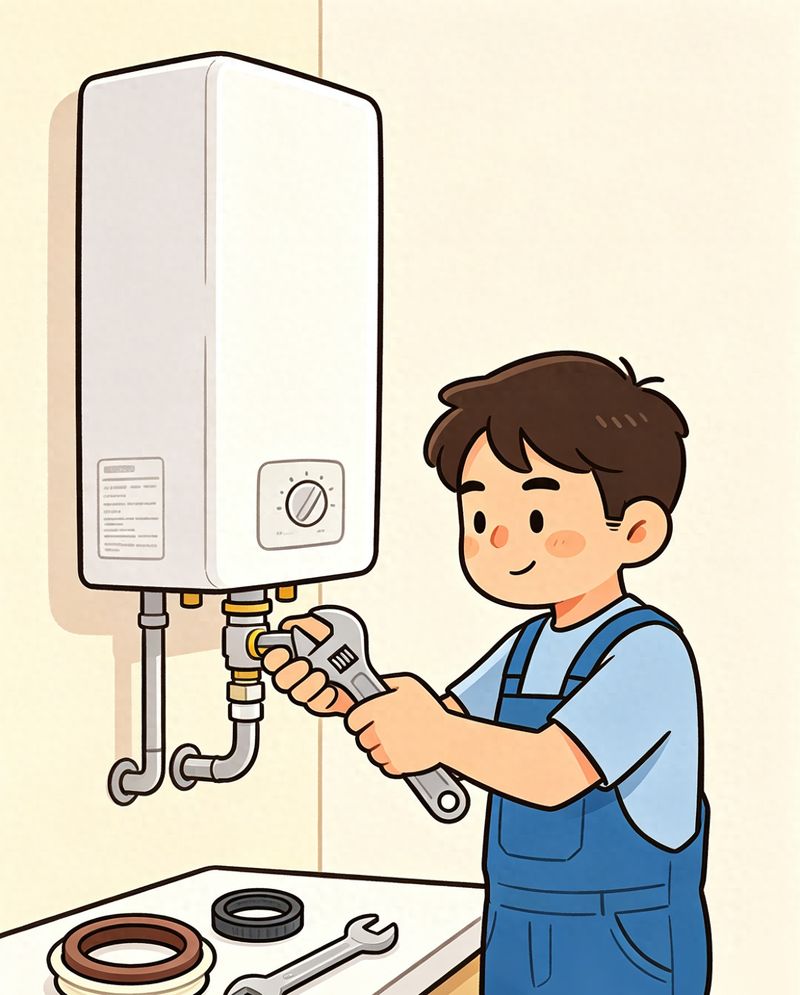
Many families have experienced such bad things: bathing late in the night, the water heater suddenly “mucks” like a small motor; or the body drops, the interface leaks, and it looks scary and painful。
The first reaction of many people was to find a mechanic, to start at the door, to change the small parts hundreds of times. But to be honest, 90 per cent of water leaks and noise problems in water heaters are minor problems that can be repaired without hiring people。
Today we'll tell you once and for all why the most common leaks, noise failures in domestic water heaters, cause + the solution is sorted out, easy to understand, the newcomer can look at it, suggesting that it should be stored and not found later
I. Frequent noises of water heaters? Different voices correspond to different faults
The normal working water heater has only a slight water flow, almost negligible. If there's a loud, loud sound, it's the machine's "call for help" and it's different
1. Continuous buzzing, vibrations (most common)
Causes of failure: too much choreography
This is a problem for families. The impurities and minerals in the piped water are deposited on the gallant and heated tubes after long periods of heating, forming thick water。
When the water is boiled, the water is packed with heat pipes, the current hits the water, the water's steam rolls, and there is a constant buzzing sound, which is probably the problem for water heaters with a life span of more than three years。
Solutions
Simple sound: turn off the water heater, emptied the water inside, simply flushing the internal water
The noise is severe: deep cleaning of the inside, cleaning of the water from the heating pipes, and when it is finished, the acoustics will disappear. It will also save electricity and raise the heating rate。
Two, sharp, squealing
Causes of failure: overpressure of water and abnormal depressure of safety valves
The water pressure of the home tap is too high, the internal pressure of the water heater is high, the safety valves are self-released, and the rapid discharge of the high-pressure currents sends a sharp scream. This problem is particularly evident during peak water use, especially early and late。
Solutions
No break-in! A running water pressure-relief valve is installed to stabilize water pressure; if the safety valve is aging and cardon is replaced by a new one with a direct $10 to deal with the acrimony。
Three, cracking cracks
Causes of failure: too thick water + local dry burning
The pile of water is too thick to cause heated tubers to spread unevenly, local temperatures are too high, and the water vapours expand and crack in an instant, making a sound of cracking。
This problem should not be ignored, long-term failure to deal with it will reduce the life of the heating tube and lead to serious electrical leakage
Solutions: a complete deep detachment of the dirt and clean-up of the stubborn water trails of the inside and the heating tube。
Two, the heater leaks! Find a spot for the leak
A lot of people panic when they see a water heater dripping, thinking that the machine is broken, but it's leaking in three ways
1. Small perforation of safety valves (normal phenomenon! No repair)
Many newcomers are the easiest to get the wrong idea. The safety valves on the top of the water heater are small, and a slight drop is perfectly normal。
The heater increases the temperature of the water, which increases the internal cholesterol pressure, and the safety valves automatically discharge and protect the internal cholesterol from breaking and are self-protective。
Treatment: small drops of water without pipe; excessive drops of water mean that the pressure is too high to add a pressure reduction valve。
Water infiltration, dripping of water into and out of the pipes
Causes of failure: age of use, ageing of interface rubber mats, loosening of pipe threads
Cold and hot access to water vents, water spill links, long-term cold and heat alternations, water pressure shocks, rubber cushions become hardened, and water seep if sealed。
Solutions
Turning off water valves, power outages and gently twisting the interface with a wrench
A few dollars in exchange for a brand-new seal pad, 100%。
3. Large-scale leakage at the base of the fuselage (focus on)
Causes of failure: breakdown of internal larvae, ageing of seals
Water heaters use for more than six years, and their internal urchins are permanently corroded by water, prone to trachoma, damage and continuous water leakage at the bottom; it may also be the internal urchin of the flannel seals that fail。
Solutions
Slight water seepage: replacement of the inner cholesterol is sufficient
Boldness and leakage: unable to repair, it is recommended that water heaters be replaced directly for water safety。
Iii. Home-based water heater maintenance techniques, repairs and maintenance
1. Periodic desorption: the electro-thermal water heater recommends that it be cleaned once in 1-2 years, and the gas heater washes easily every year to eliminate acoustic and electrical problems
2. Long-term water release: for more than half a month, power is shut down, water is emptied and impurities are avoided
3. Super-pressure use is strictly prohibited: high-level households, small areas with unstable water pressure must be fitted with pressure-relief valves to reduce leakage and leak failure。
Last reminder
Water heaters are household electricity used at high frequency in the home, and minor problems are left unrepaired, not only for electricity, but also for bacteria and safety risks
These are the most common daily failures, which can be solved in a few minutes, saving $100 in maintenance costs。
I'll continue to share home electricity maintenance techniques, home savings, home power maintenance, and my friends who want to make their own settlement troubles