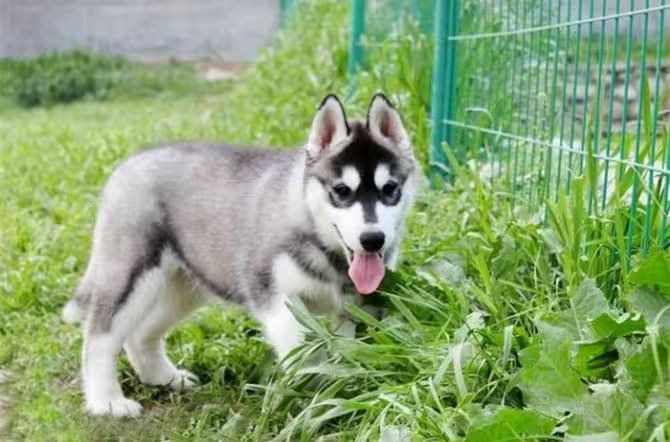
Siberian sleigh dogs are one of the oldest dogs in the world, and their english name "siberian husky" comes from two sources: one claim is that the eskimo slang “esky” (silent sound) was given because the siberian sleigh dogs were squeaky, and the other is that gold hunters in alaska used to sound “husky” when driving a sledge. But its first name was actually the siberian chukchi, because its ancestors were bred by a tribe that had crossed the arctic circle and finally chose the chukchi tribe that had landed in siberia。
The ancestors of siberian sleigh dogs dated back to the new stone age when a group of hunters from central asia moved to live at the end of siberia, one of which was the chokchi who later bred siberian sleigh dogs. At the time, changes in external climatic conditions had forced them to expand their hunting range, so the semi-nomadics abandoned the way of transportation and began to cultivate a more rapid form of transportation. The backpack travels at a long distance and at extremely low temperatures keeps sled dogs at a minimum of physical consumption. Throughout the nineteenth century, the chukchis preserved the purity of the bloodline of the sleigh dogs they had bred, which is the only direct ancestor of the sleigh dogs seen today. At the same time, studies have shown that the chukchis also used the blood of siberian tamil wolves in the cultivation of siberian sleigh dogs, so it is believed that siberian sleigh dogs can also be born as far back as their ancestors, who were 35,000 years ago。
Development
Siberian sleigh dogs were first known to the world in the 18th century. When a japanese boat was drifting to siberia in a storm, the crew was surprised to discover that the local chukchi raised a dog that could carry weight and drag sled, a siberian sleigh later named “husky”, which was only the beginning of the world's recognition of them。
The year 1909 was the year of siberian sleigh dogs coming out of siberia, thanks to mr. William goosak, then russian fur dealer. He led a group of chukchi dogs to a small town in alaska called nome, where there was a dog sled race, where siberian sleigh dogs were no longer able to test their grades, but the chukchi dog brought by mr. William goosak was soon loved by the locals. Not only are they fast and resilient, but they also have small and compact bodies that quickly make them recognized by locals in alaska. In the same year, a young man named charles fox came to alaska with the gold rush, attracted by the excellent performance of the siberian sleigh dogs in the competition, and began to introduce the dog in large numbers, with the iron man johnson taking the lead at the all-alassian dogs conference of 1910. Leonhard sepla was the most important siberian sled dog breeder at the time, and from 1909 to the mid-2020s, his dog breed almost covered the dog race 4 in alaska。
As a result of the joint efforts of the dog breeders, siberian sleigh dogs were successfully nurtured in the united states and formally accredited by the american dog club (akc) in 1930, the dog was officially registered in canada in 1939 and established the united states husky club (shca) in 1983. Siberian sleigh dogs registered in north america at the beginning of the twenty-first century were mainly descendants of dogs imported from siberia in 1930 and nurtured by leonhard sepra. Subsequently, siberian sleigh dogs were distributed around the world as pet dogs and work dogs。
Form characteristics
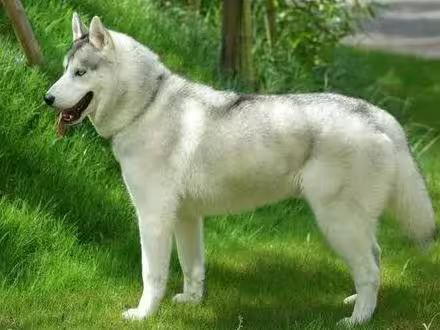
Siberian sleigh dogs
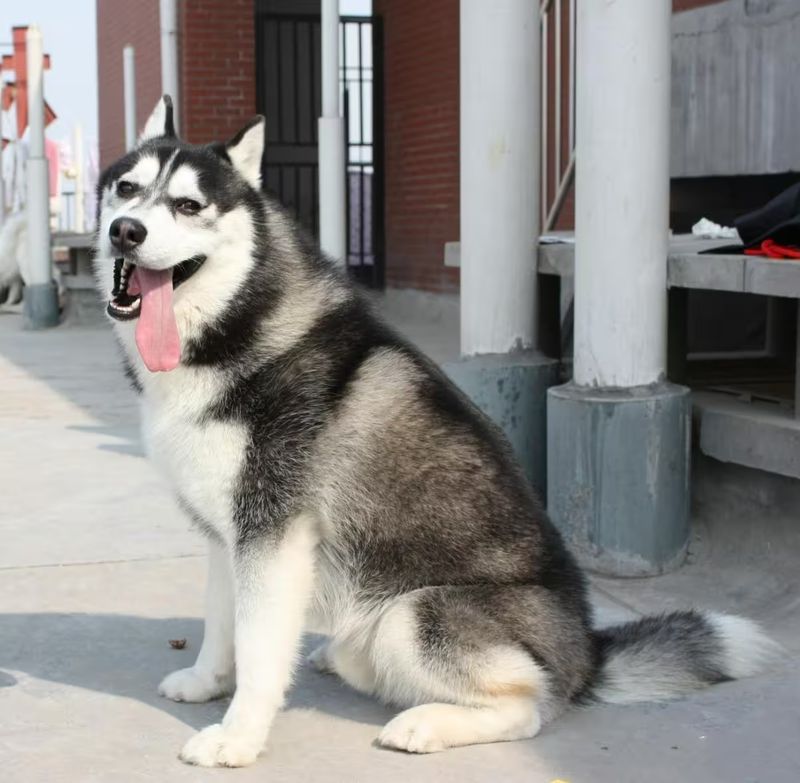
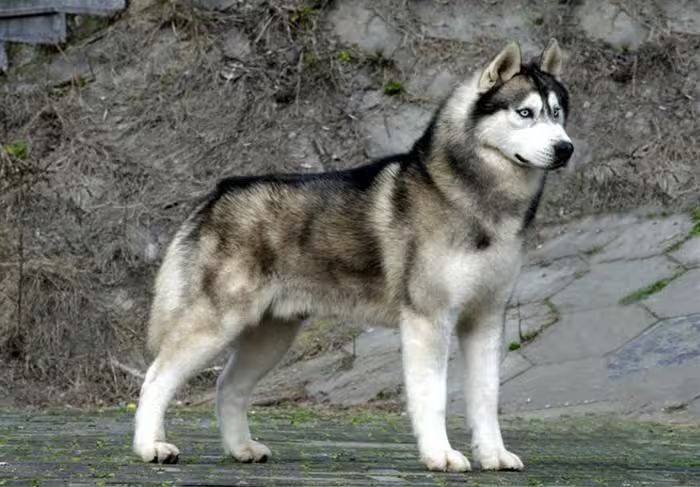
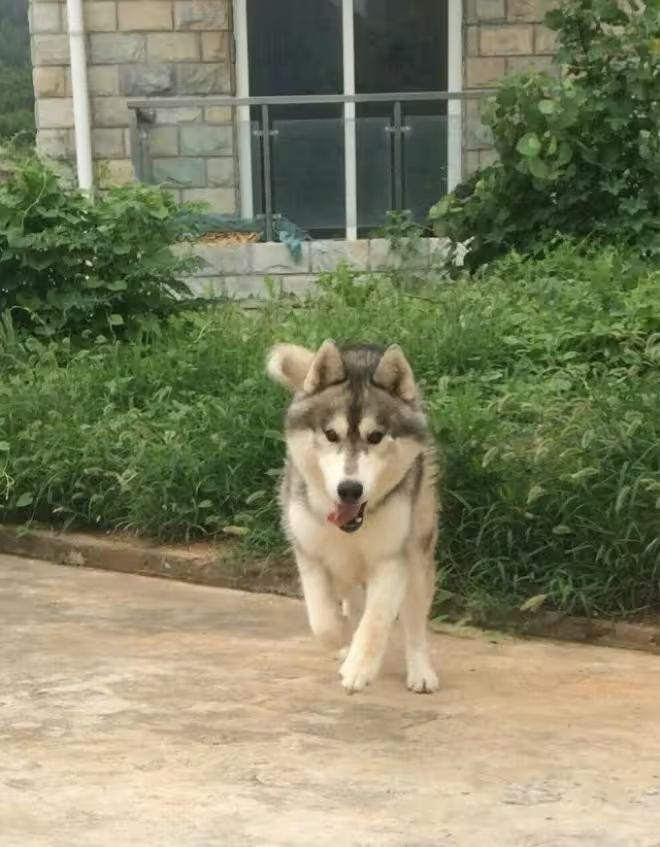
Siberian sled dogs are dogs of very close blood to wolves. They are very similar to wolves. They have hair thicker than most dogs. The hair colours are broadly black, gray, brown (light brown, also known as dream colours), pure white (very few), although these colours are usually mixed with white hair. Haskill's eyes are pure brown and pure blue, allowing one to be brown and one blue. Hasky's front page, commonly known as face, usually has a cross-face, a peach-face, three fires and four mediterranean。
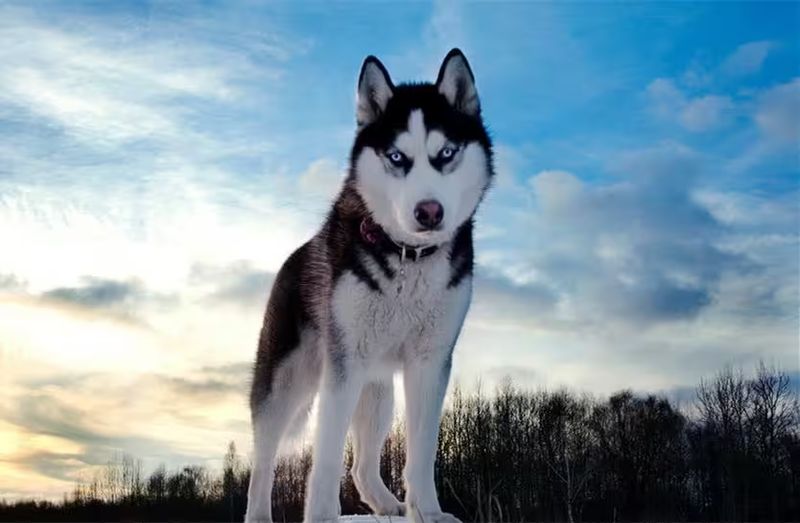
It's worth mentioning "blue eyes, three fires" with blue eyes; three fires are three white marks on the forehead and look like three burning flames. The blue eye, the three fires, was once mistakenly regarded as a haski standard, which is not a test of haski quality, whereas the blue eye, the three fires, is more common in haski, where the blood-grade haski is rare, with two brown eyes. Because siberian sledge dogs have a very similar look to wolves, and most of the wolves in the film are husky playing, the better they look。

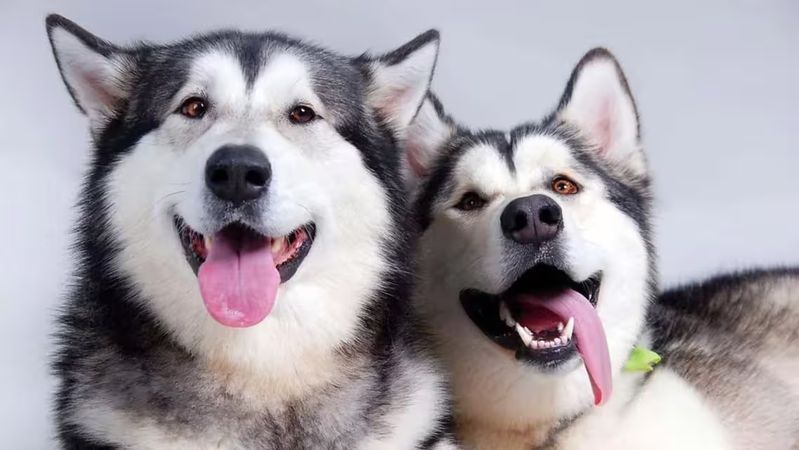
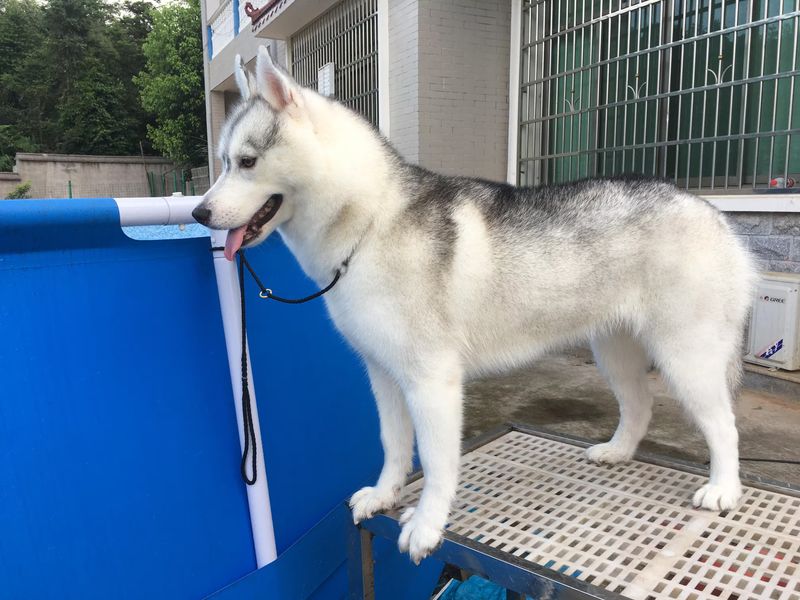
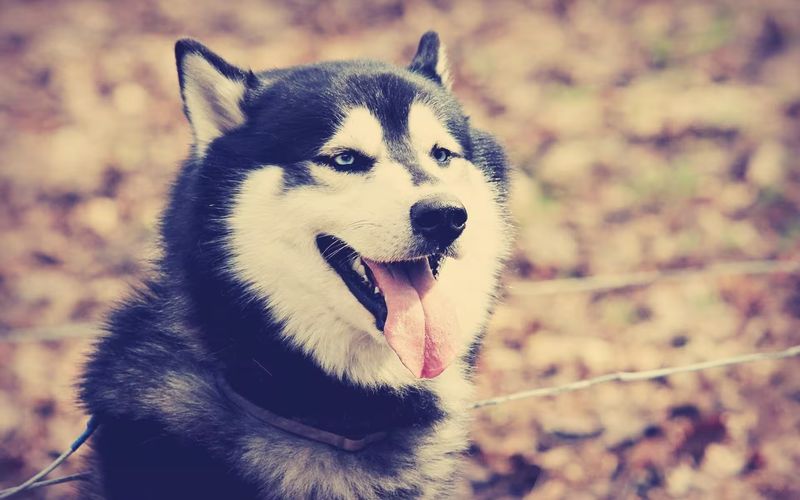
Usually blue and brown. Most of what is commonly called “two-ha” is a light blue-eyed hashish, blue (already white as age grows), and blue-eyed hashish always seems to have a contempt for evil, but it is rather timid and gentle. Most of the brunette-eyed haskills that appear in the arena give the feeling of tenderness, but when serious, they also reveal the gruesome evil. Also, one dog may have a brown or light brown eye, while the other one is blue, and the demon has the same face as an angel, known as "bi-eyed" or one eye is blue while the other eye's iris is chorded, i. E., iris amphibious, which is called "parti-eyed" by the hobbies who raise siberian sledge dogs。
The ears are triangulated, hairy, more hairy, more hairy than the skin color, more white in their inner ears, smaller in size than in the normal, straight up, and when they approach, their heads are held back. The distance between the two ears compared to the alaska sleigh dogs and the samoye sleigh dogs is much closer, which is also the basis for the visual identification of alaska and haschi。