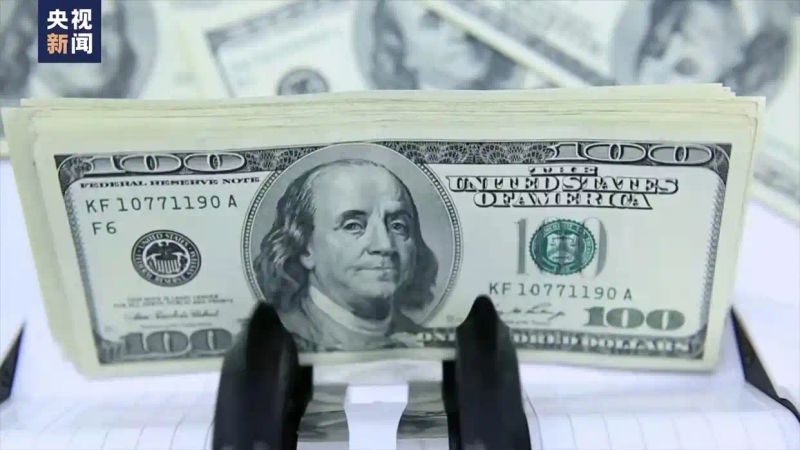
The continued strengthening of the united states dollar since this year has had a considerable impact on the exchange rates of many asian countries, as well as on the economy。
The korean professor of economics claims that the us dollar has had many negative effects on the korean economy
The korean won has fallen by more than 7 per cent against the united states dollar, and for south korea, whose economy is highly dependent on export and import trade, the strength of the dollar puts the country at risk of a deficit in international trade balance, rising import prices and loss of foreign exchange reserves。
The korean dollar has fallen by more than 5. 5 per cent against the united states dollar since this year, making it one of the worst performing currencies in asia. In mid-april, the korean dollar fell to its lowest level against the united states dollar, and on 16 april, the korean dollar fell by 7. 3 per cent over the course of the year, when the korean dollar fell by the 1,400 mark。
According to cai hee-ho, professor of economics at the university of kyoto, korea, the dollar continues to grow stronger, in addition to the reasons for rising inflation in the united states, and the demand for a strong dollar resulting from global instability. For south korea, where economic development is highly dependent on export-import trade, this represents an increase in the price of imported goods. While some export promotion can be achieved, professor choi believes that the overall negative impact is greater。

Cai hee-ryong, professor of economics, kyoto university, korea (the strong dollar) has led to an increase in import prices, especially in international oil prices and cereal prices, as well as a decline in the korean exchange rate, so i think the negative impact on the south korean economy is even greater。
Bloomberg reported on 7 july that south korean exports were heavily dependent on raw materials imports, but that as the korean won continued to weaken, the cost of raw materials imports was increasing, which would be a pain in the face of many small and medium-sized enterprises that did not have exchange-rate hedging and were over-reliant on external raw materials。
Journalist watching korean public opinion is worried about the 1997 economic crisis or its recurrence

As a result of its intervention in the foreign exchange market to contain the weakening of the korean won, south korea's foreign exchange reserves in april registered the largest decline in 19 months. Data released by the central bank of korea in recent days indicate that in april south korea's foreign exchange reserves fell by about $6 billion, the largest reduction in recent two years. Historically, the south korean economy, with its higher external dependence, has always been vulnerable to a “triple crisis” of high interest rates, high prices and high exchange rates. South korean public opinion was concerned that the current situation was similar to that faced before the 1997 economic crisis and that it needed to remain vigilant。

China: south korean public opinion is now aware of the rapid loss of foreign exchange reserves in a number of asian countries, including south korea, whose social memory of the financial and foreign exchange crisis that engulfed asian countries in 1997 is still fresh. Public opinion expressed concern that, if the korean government did not take effective measures against the situation now facing it, the situation in 1997 would be repeated in the future。
Indonesia has taken steps to de-dollarize and promote a pluralistic monetary system
In indonesia, where currency devaluation had directly led to increased inflation, how had indonesia responded to that situation
If the interest rate in the united states is delayed, inflation in indonesia will increase further。

Toshid ahmad, executive director of the indonesian institute for economic and financial development: if inflation in the united states remains high, it will mean that the decision to cut interest rates in the united states will take longer and the indonesian currency will be shaken。
In indonesia, the consumer price index (cpi) rose by 3. 05 per cent in march, a seven-month increase. Household consumption accounts for about 50 per cent of gross domestic product (GDP) and, if inflation increases, the economy is at risk of contraction. While noting that the government was taking steps to de-dollarize, ahmad suggested that countries should reduce the use of the dollar in trade and promote a pluralistic monetary system。

Toshid ahmad, executive director of the indonesian institute for economic and financial development: the indonesian government has actually begun to implement the de-dollarization policy. I believe that the brics mechanism can be a way out, and the key is to agree to trade in goods and services in domestic currency. For example, transactions with malaysia and singapore are conducted in local currency rather than in intermediate currency dollars; for example, we trade with them in indonesian currency and we trade with china in chinese currency。
The japanese people are shouting "can't afford it."
In the recent past, the japanese yen's exchange rate against the united states dollar fell by 160 yen to 1 dollar, prices rose and many japanese consumers shouted “unaffordable”。
Local residents: when they reach out and are ready to buy, they find that the price is so high that they sometimes give up。
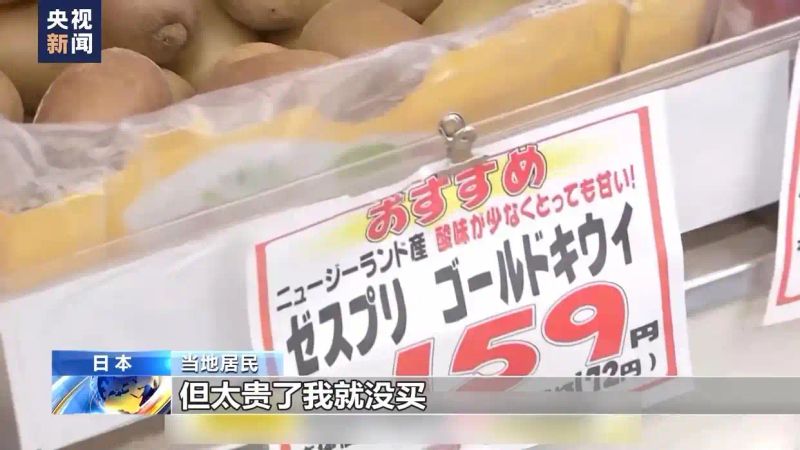
Local residents: the fruit is a bit expensive, so it's not bought. The kids said they wanted to eat, but it was too expensive for me。
A recent survey by the japanese private survey agency imperial data bank shows that japan's cost of imported raw materials has increased, inter alia, due to the devaluation of the yen, with an average increase of 31 per cent in more than 400 food items in may of this year, including 80 per cent for some olive oil. High prices have had a major impact on consumption。

Japanese institute of first life economic research economist fujii yuichi: most food and energy in japan depend on imports. As the yen depreciated, import prices rose rapidly, resulting in higher electricity, gas fuel and food prices。
Japanese expert: the japanese government's intervention in the market has made it difficult to reverse the japanese yen's decline
The japanese government and the central bank seem to be stagnating in the face of the continued depreciation of the yen. Since the exchange rate of the yen against the united states dollar fell to a new low of 34 years on 29 april, there has been rapid appreciation. According to tokyo television, on 29 april and 2 may, the government of japan and the central bank intervened twice in the market. This, however, is not easy to reverse completely the japanese yen decline。
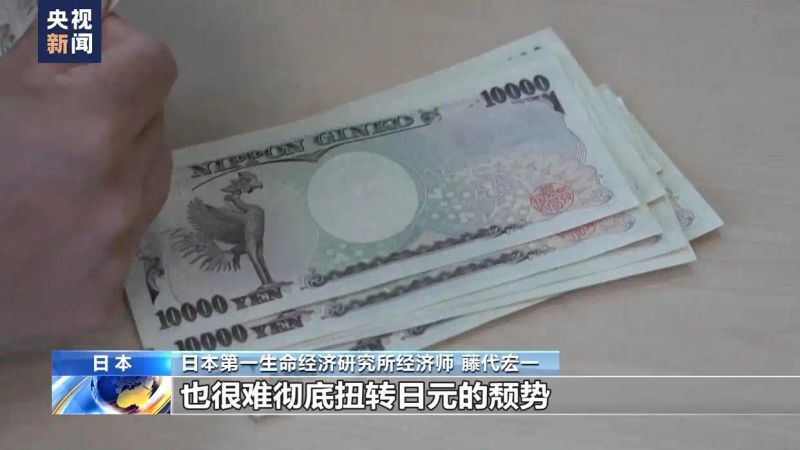
Japan’s first institute of life economic research, economist fujii, is still pursuing high-interest monetary policy. Even though japan’s exchange-market intervention of around 8-9 trillion yen, it will be difficult to reverse the japanese yen’s decline completely, only to buffer its steep decline。
Japanese expert: the japanese yen continues to weaken
Fujitai pointed out that japan does not have a good response to the japanese yen that is due to the current american-japanese interest rate differentials, and perhaps only expects a reduction in us interest rates。
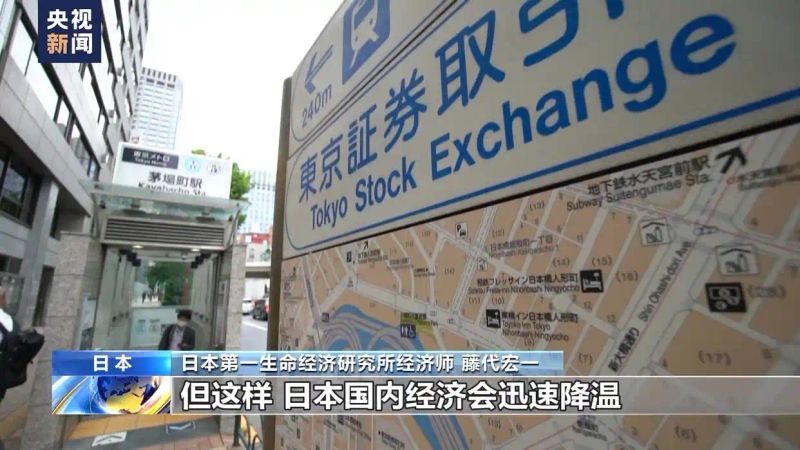
The economy of japan’s first life economic research institute, an economist, fujii masai: first, to intervene in the exchange market, but with limited access to the dollar’s foreign exchange reserves; second, the central bank of japan tightens monetary policy and increases interest rates, but the domestic economy will quickly cool down and the japanese exchange rate will cost a great deal, so the japanese government and the central bank will have to endure and wait for the us interest rate to fall。
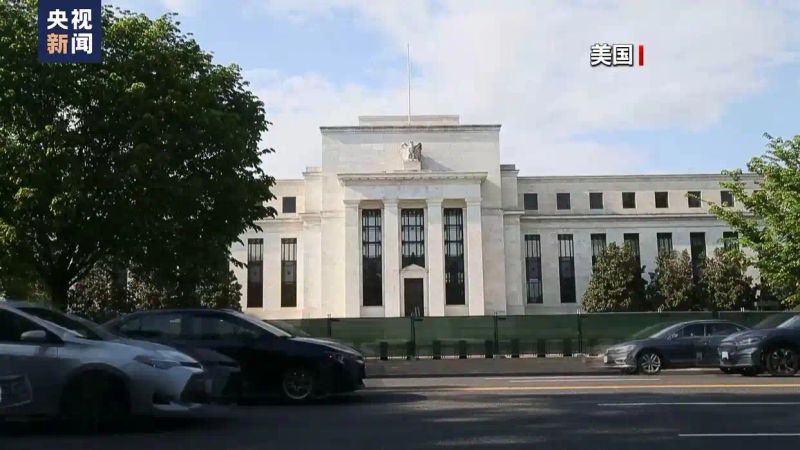
However, the united states federal reserve chairman in minneapolis, kashkali, and the boston federal reserve chairman, collins, expressed their views on 7 and 8 days, stating that, as “inflation remained strong”, the fed might need to “maintain” the high interest rate policy。