Technical standards for the management of high-quality wine brewing larvae
1 scope
The document sets out the specifications of the trees for the management of the high-quality wine brewing larvae, the requirements for planting and the technical requirements for the care of the larvae. This document applies to wine-breeding areas。
2 normative citation documents
There are no normative references in this document。
3 terminology and definitions
There are no terms and definitions to be defined in this document。
4 tree specifications
4. 1 saplings
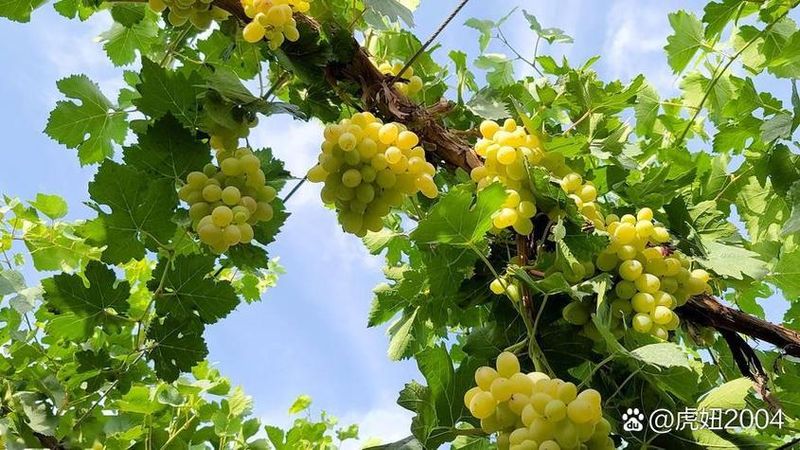
Script length 0. 6 cm, with three to five full sprouts, full roots, free of pests and mechanical damage。
4. 2 embrymation
4. 2. 1 common seedlings
The length of the cut is 0. 6 cm or more, with three to five full sprouts in the ear, the interface is healing well, the roots of the tree are intact, and there are no pests and mechanical damage。
4. 2. 2 high-level incubation
In its first year, it was grown with a log length of 10 cm and a thickness of 0. 8 cm and a mother of 0. 35 cm and full of 3 to 5 sprouts and a whole root。
In june of the following year, there was a green branch marriage, with an interface of 0. 6 cm or more thick, and an acoustic height of 40 cm to 60 cm above the ground。
5 saplings
5. 1 plumbing
Hard seedlings extracted from cold storage should be immersed in constant water before planting。
5. 2 slim cultivation
Cultivated between early may and late may, the plant was pre-planted with around 10 cm of roots and 2 to 3 buds of chickens. The tree is grown at depths of 30 to 40 cm, which stretches the roots of the tree, then covers the soil, lays it down, and immediately fills it with water。
Six piping
6. 1 early childhood management in the first year
6. 1. 1 fertilizer management
6. 1. 1. 1 leaf noodles. Fat
The sprouts are followed by the application of one leaf-leaf fat every 7d and three consecutive times。
6. 1. 1. 2 following fat
The first fertilisation was applied to 10kg nitrogen fertilizer in acre after the tree had grown out of a curl; the second to the fourth fertilisation was performed at 15d intervals; the fifth fertilisation was applied to 15kg potassium compound fertilizer at the beginning of august。
6. 1. 1. 3 irrigation
In accordance with the climate and soil availability of water, timely dripping of water is required to meet the requirements for plant growth。
6. 1. 2 cultivation management
6. 1. 2. 1 new management
When the tree grows up to 30 cm, it selects a strong new stake, tied to a bamboo pole, extending growth and cutting all the rest of the new poles; removes the ineffectual buds and ears in a timely manner during the period of growth; and takes heart to the main chicken one to two times between the end of july and the beginning of august, promoting the growth of the branches。
6. 1. 2. 2 cropping
Clean up the garden weeds in a timely manner and keep the fields clean and clean。
6. 1. 2. 3 autumn trim
The seedlings and the saplings leave two to three sprouts from the ground up; the common seedlings move up from the matrimony interface to the ripening of the branches。
6. 1.