I. Equipment
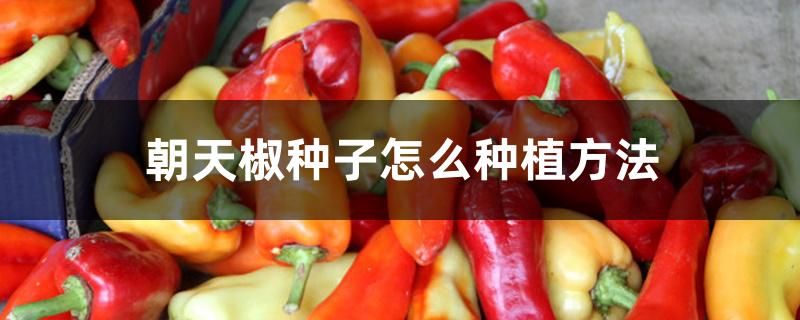
The choice is to have high yields, strong resistance, quick results and full colour. Pyramids consume a large amount of nutrients during their growth, and in order to ensure their growth, it is necessary to select plots with sufficient fertility and easy drainage. It would be preferable to clean the ground once before planting and to have sufficient farm fat in the plots to ensure fertility。
Ii. Employment
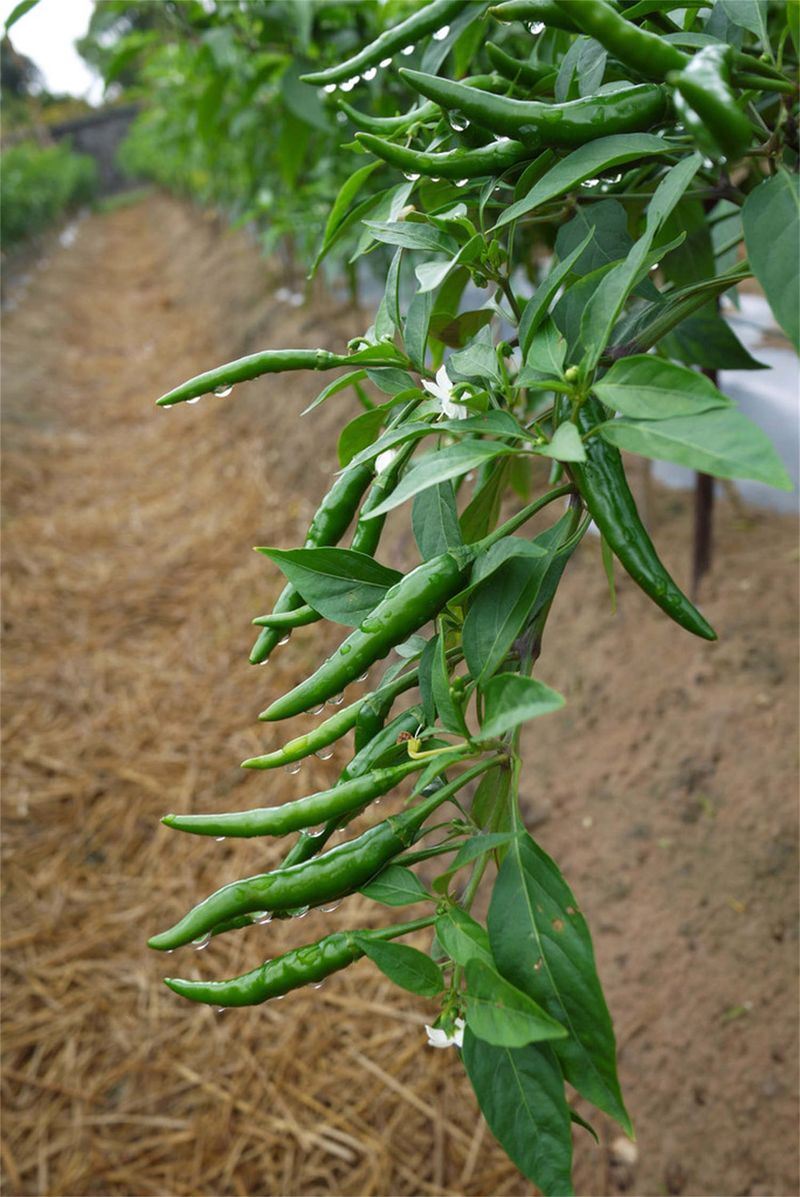
In the case of packed seeds purchased directly, they do not need to be disposed of intentionally, so that they can be planted directly. If the seed is harvested by itself, it will be tanned for a day under strong light, then immersed in warm water for 15 minutes, so that it can suck up its moisture and, preferably, be immersed in a drug for 15 minutes, thus increasing its resistance. The treated seed can be sowed directly, then covered with thin soil, properly sprayed water and treated wetly。
Iii. Timely relocation
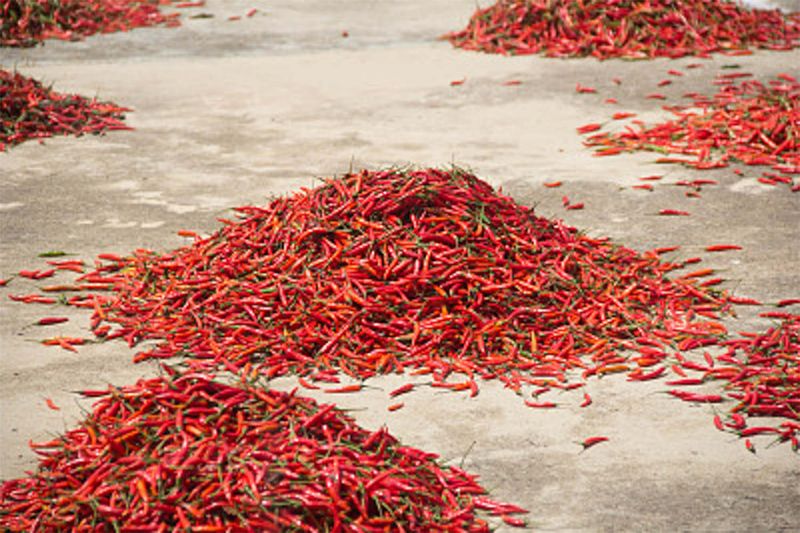
The seedlings can be replanted when they grow to 10 cm high. The planting shall be carried out at a reasonable control density at a distance of 30 to 35 cm between the lines and 40 to 45 cm. A small cave is dug at this distance in the plots and a seedling is planted in each. Plantation needs to be followed by timely irrigation, so that growth will soon be restored and new roots will emerge。
Iv. Last management
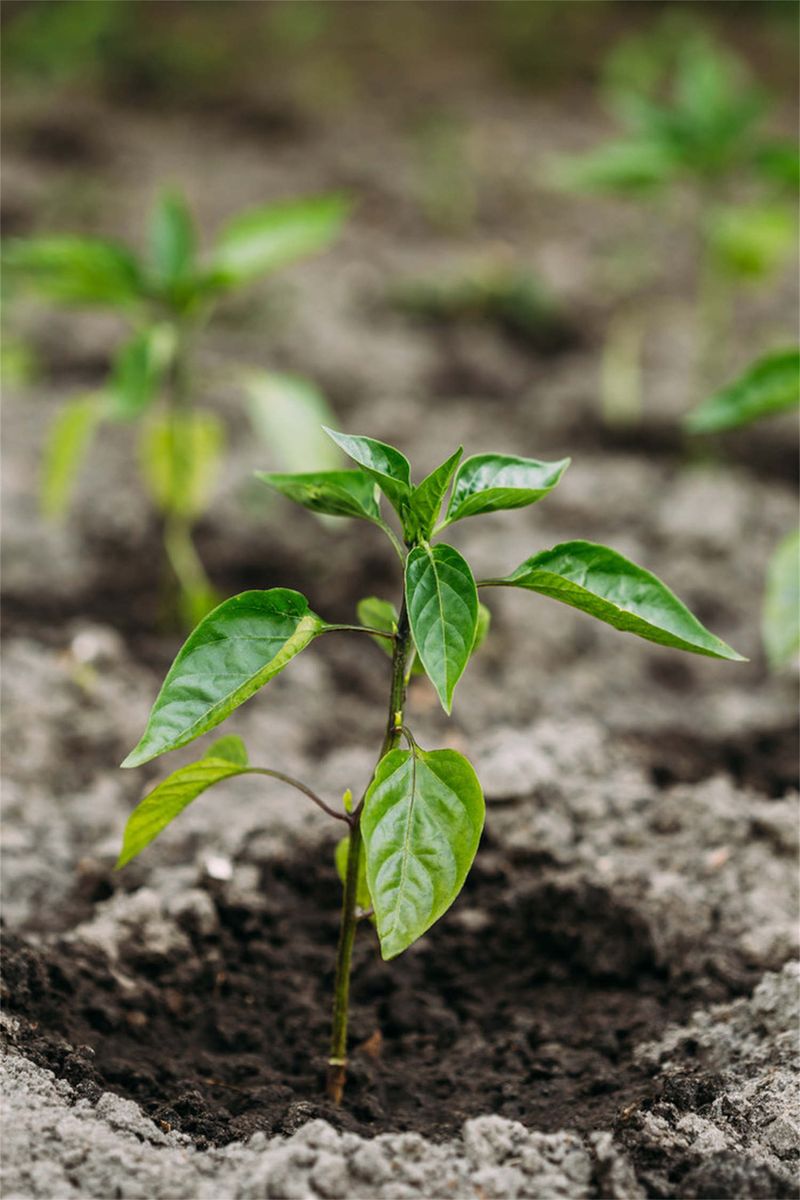
During the 5-10 days of the transplantation, the replanting process is carried out in a timely manner to ensure that the field is fit. When the baby is growing up to 20-25 cm high, it is necessary to plant herbs for the first time, to catch up with herbs and to apply urea and compound fats in a timely manner so that they can flourish. In addition, the application of boron and potassium fertilizer during flowering results has contributed to higher yields。