"the temperature increases by 3°c by mixing organic fertilizers with topsoil and covering the membranes." in recent days, in the greenhouse of the town of jerob, loza district, shannan city, at 4,500 metres above sea level, liu yuhong, the director of the integrated test station of the state large vegetable industries system, a researcher at the agricultural institute of the autonomous region, has been cruising on the ground, demonstrating in tibetan to the pastoralists who are surrounded。
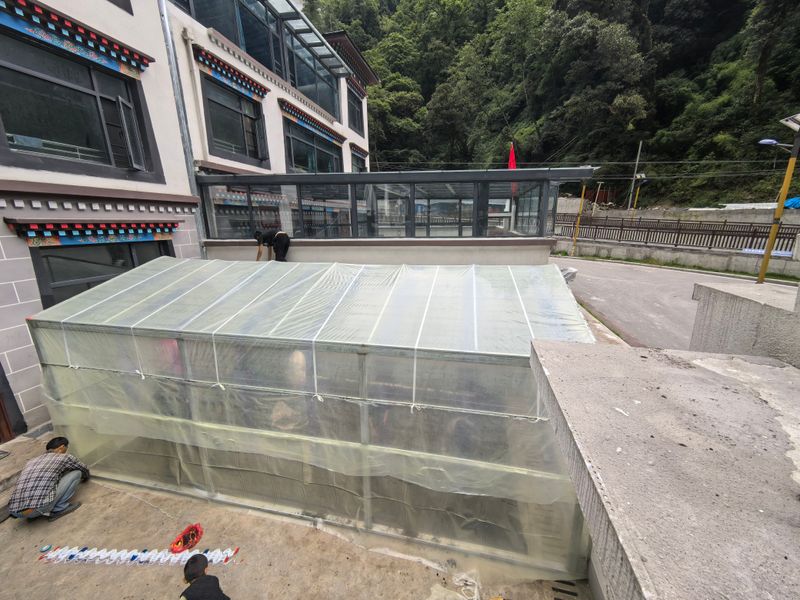
Experts from the lhasa integrated pilot station of the national large vegetable industries system are known to have conducted five continuous field training sessions in the new villages of sonbucchi, jerobo, bamba and senggang in lacan, helping local pastoralists to successfully plant the first batch of vegetables in the garden, greenhouses, large cabbage, and so forth。
As a relocation village, the new village of zhubhucchi, where all the villagers came from, has never grown a vegetable. Based on the needs of the village for vegetable cultivation, and taking into account the availability of land in the village, the experts built six greenhouses free of charge, using plots in the village's yard, as appropriate, and providing vegetable seeds, membranes and organic fertilizers. "we used to have a pile of cow dung in the yard, we couldn't grow food, thanks to the help of experts, and we could eat our own vegetables later." the villagers of puphong laughed。
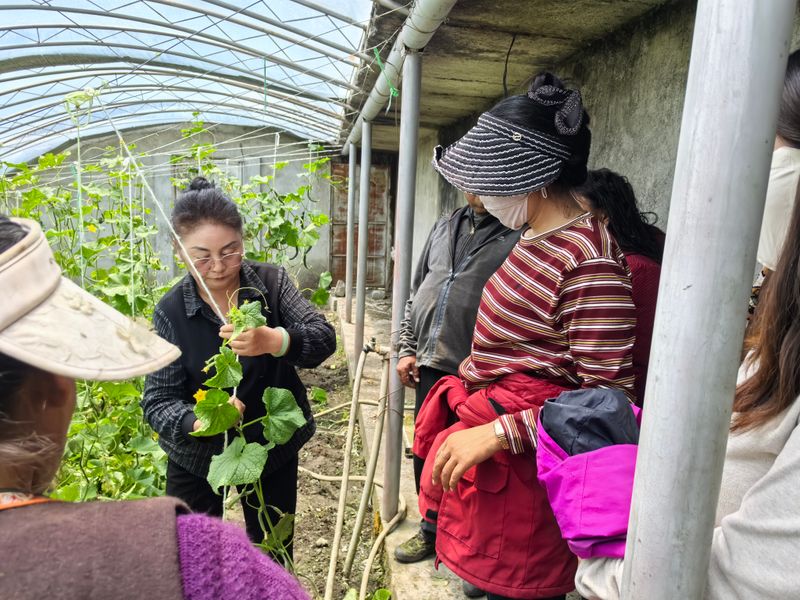
In response to the lack of vegetable farming techniques in the towns of bamba, lacon and bongo, which has led to problems such as “breeding of large cabbage, lack of care, weak growth and free development of tomatoes”, experts at local vegetable growing bases conducted technical guidance on the production of facilities for vegetable cultivation and green control of pests and diseases, with hands in the field to guide production techniques and the prevention and treatment of diseases such as moths, aphids, truffles, molluscs and fungus。
In the spring of next year, the agricultural institute of the autonomous region will also provide economic trees such as apples, cherries and grapes to border villages such as jerobo, the new village of zomura, and the zamalong, and will continue to have expert crouching guides。
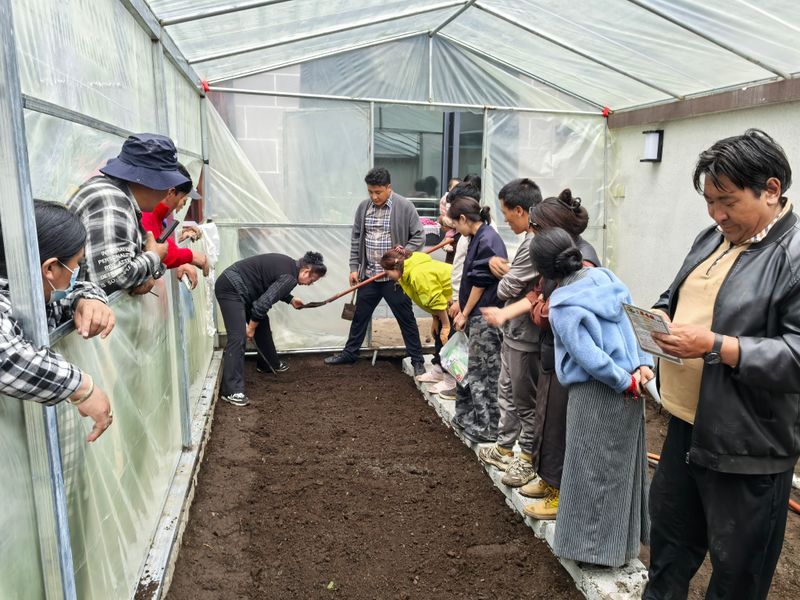
Yang jie, deputy director of vegetables institute, said that, as a next step, we would continue to rely on the scientific and technological innovation projects in the agricultural and livestock sector in tibet, in line with the needs of the new villages of zombutra and jerobo, to continue the construction of courtyards, to respond to local technology needs through expert one-on-one mentoring, to actively develop rural fruit and vegetables and to contribute to the revitalization of the border villages of the highland。