How was buick's after-sales service? There is no simple “good” or “bad” answer to this question. It is more like a puzzle of bright spots, dark corners and lots of grey areas. Looking at the whole picture, we need to look at it from three completely different perspectives。
From the real owner's point of view, the accent is highly polarized
For the owner, the experience is specific and direct, while the feedback from buick is a double-flash。
On the one hand, when the problem can be solved efficiently, the owner of the car will not hesitate to praise it. For example, the owner's “defunct” rating was clearly received by the owner of the two claims completed by the correct attitude and timely response of the owner's behind-the-vision mirror wear and tear in 4s, fujian springs. In another aed rescue case of social concern, buick volunteered to contact the owner to replace the broken window free of charge, displaying a branded human face。
On the other hand, a large number of car owners are suffering from “historical legacies” and “new and old diseases”. The volume of negative evaluations is much greater than that of positive evaluations。
The engine failure lights of junway, willang, the rear warning failure of the ankorway plus, and the failure of the gl8 gearbox were frequent, often accompanied by fruitless maintenance at 4s and factory pushes。
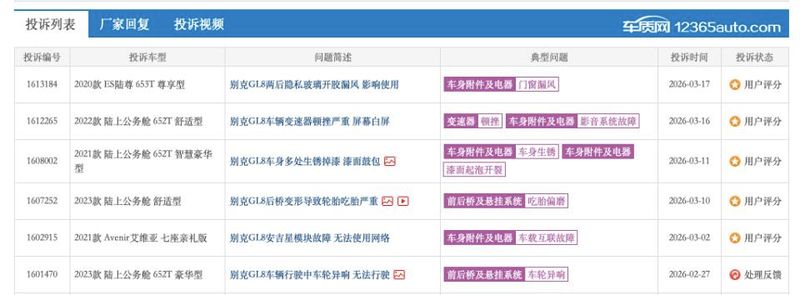
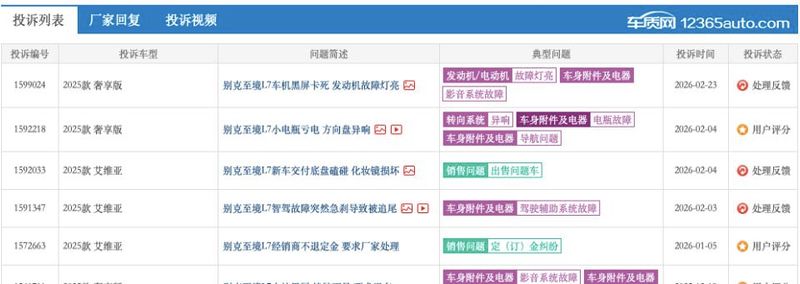
From this point of view, the reputation of the post-sale services of berk is highly dependent on what problems you have encountered and whether the 4s store in your area is responsible. The overall picture shows that “individual bright spots” cannot mask “systemic slots”。
Reliability from the perspective of industry data but service satisfaction is questionable
Out of personal feelings, rankings of authorities provide another quantitative perspective, but conclusions are equally complex。
According to the j. D. Power 2025 chinese vehicle reliability study, buick's performance was upstream in the joint venture brand. The number of problems per 100 vehicles (pp100) was 181, which was better than the industry average of 197, and ranked fifth among the joint venture brands, higher than the upper steamer (182 points), but lower than the toyota and honda brands。
This indicates that the mechanical reliability of the buick vehicle is considered “good living” rather than “facility” in the joint venture camp in terms of its long-standing failure rate。
However, an interesting contrast occurs across the ocean. In the j. D. Power 2025 united states motor vehicle reliability ranking, buick tops the 2nd place on the list and becomes a non-luxurious brand champion. The large differences in the ranking of central american markets may reveal the differences between buick's supply chain quality control and production process standards in different markets。
More importantly, reliability is not the same as after-sales service satisfaction. At present, there is a lack of authority in the public information ranking of buick on the “service attitude”, “maintenance quality”, “service efficiency”, etc. A brand with its own low failure (high reliability) does not necessarily have an equally excellent post-sale service experience. It is therefore not possible to give a complete answer to “how after-sale services are done” on the basis of reliability ranking alone。
From the point of view of brand competition strategies, follow the differentiated path of “high-end safeguards”
Faced with the challenge of basic services, in 2026 buick presented a unique card, the “goldstone pact” safeguard plan. This provides a third perspective for our understanding of its after-sales strategy。
This service is designed for high-end models such as gl8, to-line series. The core content is that the owner may purchase the entitlement within 90 days of the purchase of the vehicle and that the vehicle may be replaced free of charge within three years of the date of entry into force if it reaches 30 per cent or more of the purchase price for the individual accident. This is a “replacement” type of undertaking。
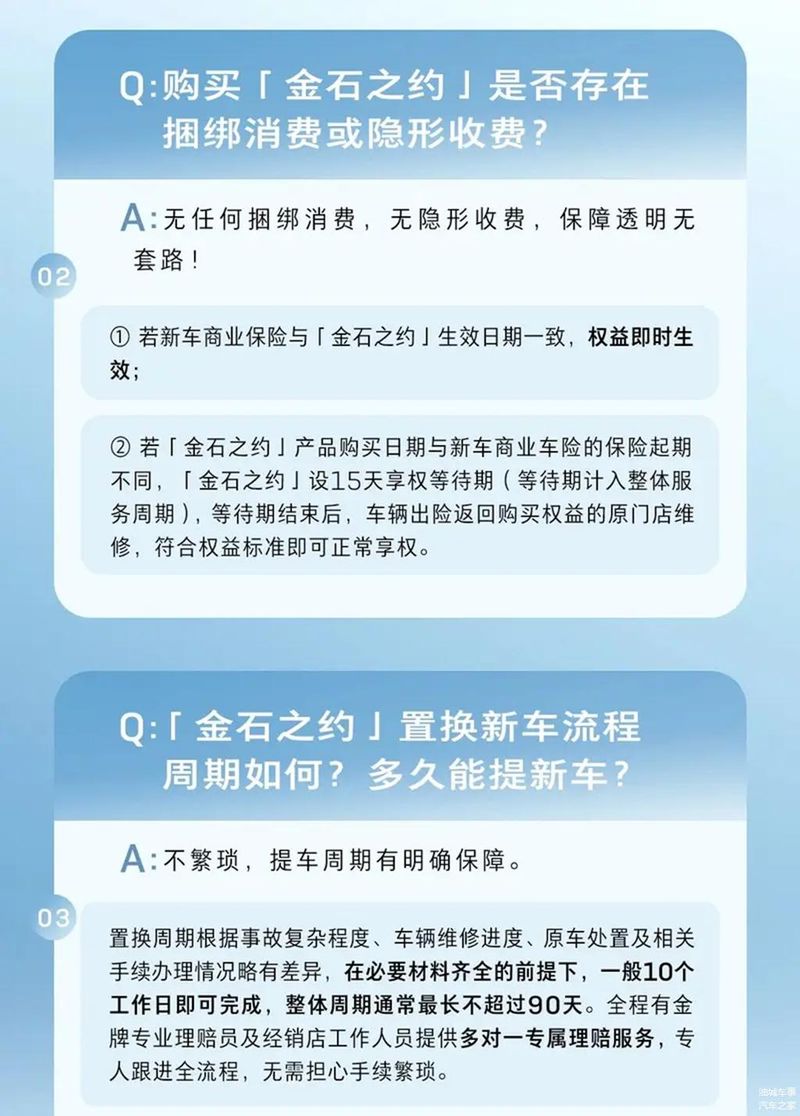
In contrast to the competitors, buick's strategy immediately became apparent:
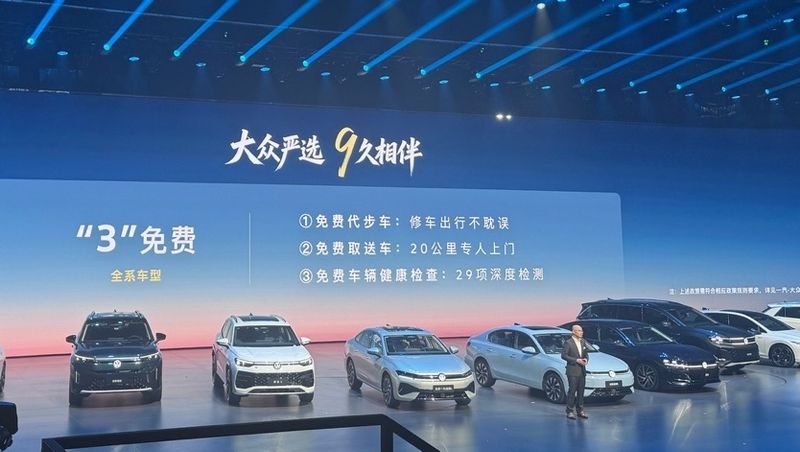
As a result, buick is trying to compensate for its loss in base sales by creating a new competitive advantage in high-end markets through high-value, high-perception differential services such as the “goldstone pact”. However, due to the short roll-out of the policy (march 2026), the ease of the actual application process and the strictity of the compensation threshold remain to be tested in the market。
Integration of judgement: a brand that works hard to fix the board, but the foundation still needs to be solid
Combining the above three perspectives, we can make an integrated judgment about the after-sale services of beek:
Buick's after-sales service presents a pattern of “strategic innovation out of touch with basic experience”. It has introduced the industry-specific “goldstone pact” in top-level design, attempting to build service poles in high-end markets; it can also provide efficient, warmer services in individual regions and cases. These are its bright spots。
However, its underlying post-sales experience is still being held up by two main challenges: the persistence of long-standing quality patterns, particularly old ones, leading to extensive maintenance disputes and user dissatisfaction; and the digitization of services and the stability of the system of motor vehicles, with a clear gap compared to mainstream competitors。
Thus, for potential consumers, the conclusion is divided: if you value the innovative “significant accident-for-car” guarantee, and there is sufficient research into the current quality of the chosen car type, beak's high-end service is attractive。
But if you are more concerned with daily conservation and the fluidity of software experience, you may need to look carefully at the reputation of the local 4s store and be psychologically prepared to deal with possible general problems。