A deal of less than $3 billion to heat up the restaurant。
An old british consortium, which was ready to sell its own kentucky-related business, had about 1,000 businesses, with 25,000 employees involved. A lot of people take their mind off it. Isn't kentucky out of control? Is the fast food starting to go downhill
That's not what i think. It's not about kentucky, it's about who does it, it's more about money。
This is not a chicken burger-eating company. It has a very diverse business, with real estate, hotels, convenience stores, make-up, supermarkets, and a small proportion of the total diet. To be honest, the business makes money, but not enough, and the returns are not bright compared to its value of core assets。
This, coupled with the fragmented distribution of the stores, high management costs and long-term downstream profits, has led to the opt-out, which is more like an asset move. This group, especially since this year, has been moving forward with asset consolidation and privatization arrangements, concentrating money and energy where returns are higher。
So it's control, not brand itself。
That's where many people get confused. The name kendrick will not disappear and product standards, core formulations, supply chain rules will not normally change immediately because of the change of operator. What is the most important concern of ordinary consumers, will the chickens change their tastes, will the packages suddenly shrink, will the doors shut? From past experience, none of these will change significantly in the short term。
In previous years, mcdonald's had restructured its operations in china, and starbucks and burger kings had done so in different markets. The brand is still in place, the shop is open, and the consumer's perception of entering the store has not completely changed because of the change of hands. What really changed was the backstage operating system, who took the board, who did the localization, who took the cost pressure。
Soon after the news came out, there were three strong buyers, with different directions。
Most of all, the main existing operators in the interior of kendji. The reason is simple, it knows the business best. Over the years, there have been many businesses, supply chains have matured, procurement, distribution, staff training, and digitization systems have been smoothed. If these stores were collected, regional resources would be centrally deployed and many duplicate costs would be brought under direct pressure. The doorshops are also those, but there is a chance for profit space to be recreated, which is the most realistic advantage of the local champion。
Another type of player is a private institution abroad. They look at the deal in a different way than the catering company. Rather than simply opening a store to sell food, it is counting how assets are consolidated, how they work and how they can be withdrawn when valuation is better. Such institutions used to play well in the area of fast foods, and there have been cases of profit-making over several years. It would be better to look at the books if more related operations in the asian region were taken down, managed centrally, and operating costs were kept low。
There is also a food company from paoshima, which is also considered to be interested. It has been making fast foods and drinks for years, and brands are well known, and offline meals are part of what it wants to fill. It has the advantage of being familiar with the local consumption environment, and after all, the operation of the fast-food chain and the sale of food are not the same, and the management of the shop, the food efficiency, the association system, the site selection model are all remedial. We'll see if we can get through。
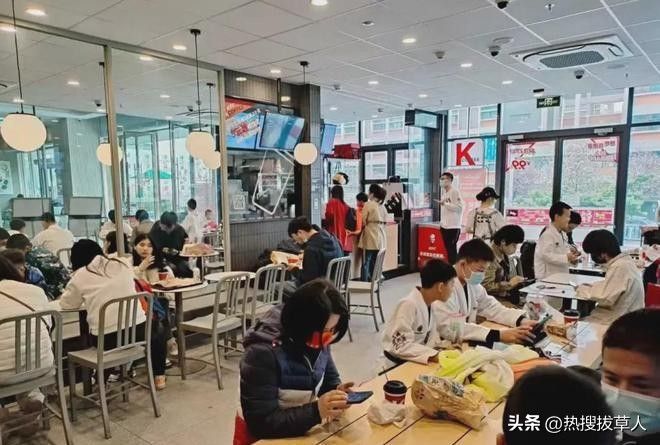
Why have these types of transactions been increasing over the years, and have foreign investment not been good for chinese consumption
Nor can it be so simple to conclude. More precisely, the game has changed。
Ten years ago, when overseas brands brought their own halo, many consumers would pay for their brands. Now, things are different. Young people are more interested in tastes, prices, new speeds, emotional values and the heat of social platforms. Local brands react quickly, can chase hot spots, can join up, can put local flavors in the menu, today, and tomorrow, with rice, and the day after tomorrow, with a limited geography and a very fast pace。
What's the problem with the brand? It's not about not doing it, it's about chain length. The time may have elapsed between discussion and approval and landing. And when it does, the heat of the market changes. It is easier to keep their own brands and fees when rents are up, labour is up, and direct-camp models are under increasing pressure。
You'll find it's not just a restaurant. Sports brands, retail brands, have also been strengthening local team competencies in recent years for similar reasons, and it is easier for people who are closer to markets to do business。
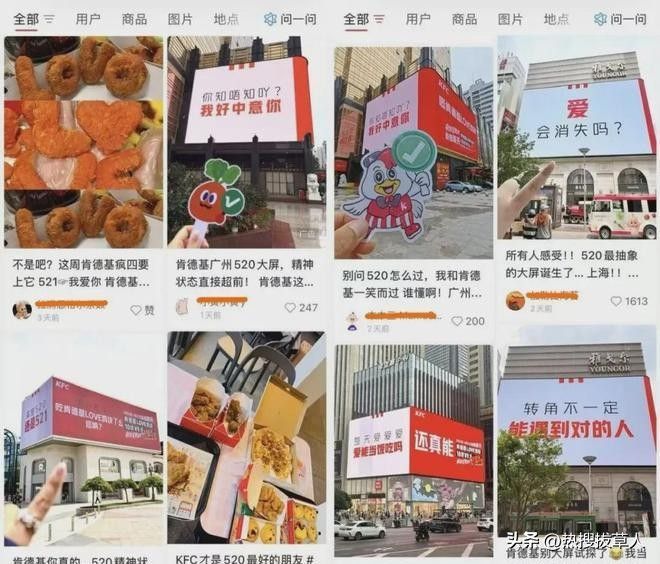
Of course, markets don't go in the same direction. Some overseas brands rely on high-end positioning, strong supply chains or unique products, and the direct-camp system remains stable, with starbucks performing well in some of the core cities, and some refined coffee brands continue to expand. This suggests that a retreat from foreign investment would not be tantamount to a collective failure of foreign investment, but rather to the road and efficiency。
Does it matter to consumers? It matters, but it's not as big as it looks。
You go to the store and you really feel it, mainly in terms of price, speed, hygiene, activity, and whether it's new or not. The stock structure has changed, and customers don't stare. It's not worth a meal。
What's more likely? It's not that kentucky suddenly became another brand, but rather that the menu would be more local, the door shop would be more flexible and the marketing would be better. Some areas, such as limited tastes, festivities, city combinations may become more common in the future. In the past, such attempts have been significantly accelerated by the change of local utensils。
In the end, this deal, which is less than $3 billion, looks like a seller's shop and is actually re-divisioning. Foreign investment continues to be of brand value, and local teams are responsible for the interface with the market. Whoever knows more about consumers has a better chance of accounting for 1,000 stores。
So, not the brand went bad, but the consumer market entered the next stage. The days of living on overseas labels to earn money have indeed passed. It is now efficiency, localization, who can make a fast meal more accurate, faster and attractive. Whoever does it can open the store longer。