To judge whether a method of generating electricity is cost-effective or not, it cannot be based solely on the price of electricity generation. The industry’s general flat-rate electricity cost, lcoe, covers all hidden costs such as life-cycle investments, transport, fuel, environmental protection, associated storage, grid peaks, and so on, which we often call the combined power cost。
Domestic electricity market data were updated in 2026, with a complete gap between hydropower, photovoltaic, land wind, offshore wind, coal, nuclear, photovoltaic, biomass and eight main power supply cost ladders. Many mistakenly think that photovoltaics are the cheapest, while neglecting the storage-compensation costs associated with wind intermittentity; that fire and electricity appear to be cheaply built, and are often kidnapped by coal and carbon costs; and that old hydroelectric power plants are almost cost-free, with limited resources for new projects。
This paper combines data on real projects in the country's “shago desert” large base, coastal wind power, three-generation nuclear power generation, and storage of hydropower, with a two-tier breakdown of the cost of bare power generation, system-wide combined costs, and an understanding of the real economy of the various sources of power under the new electricity system。
First understand: what is the “comprehensive electricity cost”
Many science stations only account for the cost of power generation on their own, which is a face-to-face ratio. Full integration lcoe contains 6 large pieces:
Fixed investments: civil construction, equipment, land acquisition, network integration works; operating costs: manual, equipment overhaul, consumables; variable fuel: coal, natural gas, uranium fuel (wind-light hydropower fuel cost 0); environmental costs: devulcanization, carbon trading, nuclear waste disposal, ecological compensation; system-side costs: windlight compulsory storage, grid long-range power transfer, capacitation reserve share; financial costs: interest on construction term loans, amortization of project depreciation。
The core distinguishes between two key calibres:
Ii. Eight main mainstream power generation methods, total comparison of total electricity cost (2026, latest in the country): low-cost land - hydropower (total cost 0. 07 ~ 0. 25 / degrees) 1. Large hydropower in stock mature (depreciated by three isthmus, goku dam, etc.)
Naked cost 0. 01~0. 05 / degrees, combined cost 0. 07~0. 10 / degrees, lowest industry-wide。
2. New large- and medium-sized hydroelectric plants
Naked cost 0. 15 ~ 0. 20 / degrees, combined cost 0. 18 ~ 0. 25 / degrees。
Increased migration, soil and water conservation, and fish conservation inputs have significantly boosted pre-investment, but remain better than the vast majority of new energy and electricity。
Second platoon: low-cost new energy - onshore photovoltaic, onshore winds (nearly cost, combined cost of post-salary storage) 1. Centralized ground-voltilation (shargo desert base) 2. Onshore winds (ten north high-quality wind field) third platoon: stabilizing base power - coal power, third generation nuclear power 1. Coal fire power 2. Third generation nuclear power (walong 1, cap 1000) fourth platoon: high-cost new energy - sea winds, melting salt light
Naked cost 0. 33 ~ 0. 45 / degrees, combined lcoe 0. 40 ~ 0. 52 / degrees
The cost of seawater preservation, sea cables and assembly construction is extremely high, with an investment of $13,000 ~15000 /kw per unit; the advantage is that it is close to the east load centre and does not need to be delivered from a long distance to the west, but the combined costs are significantly higher than the land wind. The far-reaching floating wind and electricity costs exceeded 0. 55 yuan/degree in the short term, without large-scale parity。
2. Melting salt photothermal power generation (with 8 hours of heat storage)
Combined lcoe stability 0. 55 ~ 0. 60 / degrees, approximately 2 times the voltage
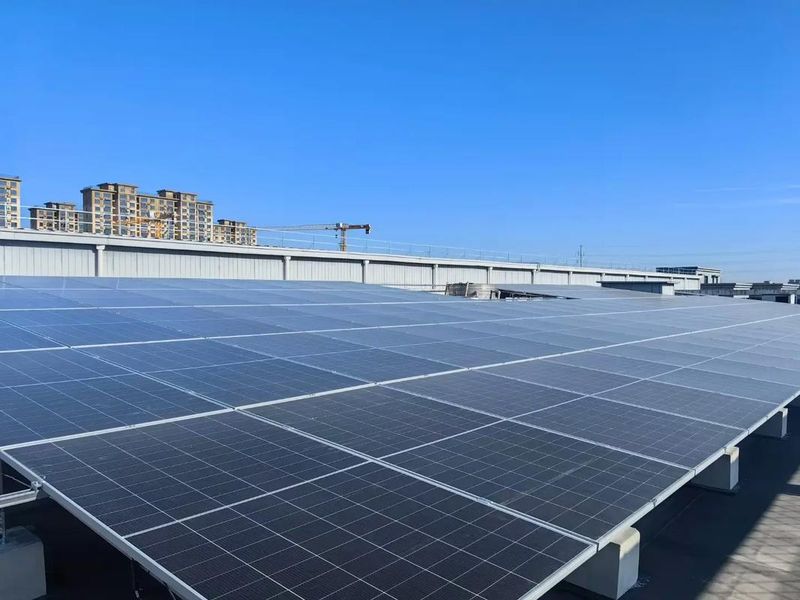
Thermal storage can be stable 24 hours a day, perfect for wind intermittentity; however, the mirrors, smelting salt tanks are invested heavily at a unit price of $15,000/kw, currently serving only as a new energy mix to peak power, and the industry target has dropped to 0. 4-0. 55 parity by 2030。
Fifth platoon: rotten power generation - gas power generation, biomass power gas turbine power generation: combined power cost 0. 79~0. 88 / degrees, fuel cost is extremely high and used only for urban peak emergency peaks; biomass power generation: combined 0. 45~0. 60 / degrees, relying on straw, garbage material transport costs, suitable for county garbage elimination scenes and unable to provide primary power supply. Iii. A table of combined power supply cost ladders (2026 domestic benchmarks)
Table
Type of electricity generation
Cost of naked electricity generation ($/ degrees)
Consolidated cost-sharing inclusive / system ($/ degree)
Core strengths and weaknesses
Large hydropower stock
0. 01~0. 10
0. 07~0. 10
Lowest cost, stable zero carbon; resource depletion, limited new construction
New utilities
0. 15~0. 20
0. 18~0. 25
Stable and unreliable; high environmental costs for migrants
The northwest center light
0. 13~0. 15
0. 21 ~ 0. 30
Low upfront prices; intermittentity must be matched with energy
High-quality wind and electricity on land
0. 14 ~0. 18
0. 25~0. 33
Zero fuel; highly volatile, upscaled
Three generation nuclear power
0. 30~0. 40
0. 32~0. 43
A year-round stabilization of the gill; very high upfront investment
Coal-fired electricity (general)
0. 30~0. 45
0. 42~0. 62
Flexibility to push bottom; coal prices, carbon costs rising
Offshore wind and electricity
0. 33~0. 45
0. 40~0. 52
Near eastern load; high cost of marine construction
Melting salt light heat (8h heat storage)
0. 55~0. 60
0. 55~0. 60
Self-carrying power 24h; expensive
Natural gas generation
0. 75~0. 85
0. 79~0. 88
Rapid start-up peak; fuel cost smallpox board
Four, three of the most easily pedestaled cost-cognizance error zone: one of the cheapest current power generation methods
Wrong. The cost of north-west photovoltaic is close to the old power when only naked power is generated; however, under the new electricity system, windlight must be accompanied by a combination of energy storage, back-up fire power, an expanded electricity grid, and an overlay system, with a combined cost that is significantly higher than the stock of large hydropower and even slightly higher than the new one. The central advantage of the windlight is that it can be built quickly and spread on a large scale rather than at the lowest cost。
Mistake 2: fire power is cheap, so long-term cost-effective
One-sided. Fire units invest only $300,000 to $4,000 /kw, which is fast, but can be transformed into a large share: coal, carbon trading, environmental retrofits, which continue to spend on an annual basis, with very high cost fluctuations over time; combined costs continue to rise as carbon prices rise; and future positioning shifts from primary power sources to capped bottom。
Mistake 3: nuclear power is too expensive to develop
Short-term capital inputs are high, but the length of the 40-60 operating cycle is as follows: fuel costs are almost non-volatile, no energy reserves, no carbon emissions, and are not subject to international energy price shocks; long-term integrated power supply stability and cost advantages will be highlighted for high-burden industries, data centres, and the eastern heavy province。
V. Future trends in the evolution of power supply costs over land-based photovoltaics, continuous downfalls in land-based wind power: components, wind engine megawatting, storage battery prices are expected to drop to 0. 18 ~ 0. 25 / degrees in 2030, with the combined cost of associated storage capacity expected to decrease to 0. 18 ~ 0. 25 / degrees, with the full coverage of new hydropower on the mark; cooling down of light heat and offshore wind power: industrial chain domestication, large project ration prices, 2030 light heat is expected to achieve parity with coal; fire power costs are rigid: carbon price normality, flexibility adaptation, and group utilization are declining year by year, and the economy continues to weaken; small downfalls of nuclear power: quantitative construction, investment in the period leading to equipment national production compression, long-term low-carbon baseline core selection; limited increase in hydropower: exploitable resources are at the bottom, stock stations will continue to bear low-cost system-based floors. Final summary
Integrated electricity costs are not absolute "optimal" and only fit scenario:
The new electricity system is not a single alternative to power, but a mix of different types of power generation; a mere comparison of the price of power generation is of limited value, and the integrated cost of electricity that fully integrates energy storage, peaking and carbon costs is the core ruler of the long-term value of power。