The latest food price index report of the food and agriculture organization of the united nations (fao) shows that the international food price index declined by 10. 1 per cent in december 2023, compared to 13. 7 per cent in the year, and that the rise in food prices, which plagues household expenditure, is tending to decrease. However, the decline in international food prices is still difficult to alleviate in parts of the backward regions and countries in the wake of the el niÑo phenomenon, geopolitical conflicts and increased protectionism。
The report shows that the current global food market is adequately supplied as a solid basis for a significant decline in prices. Although cereal prices, such as wheat and maize, rose at the end of 2023, owing, inter alia, to disruptions in logistics, the cereal price index declined by 15. 4 per cent over the year. According to the previous fao grain supply and demand bulletin, the latest forecast for global cereal production in 2023 has been revised upwards to 2,823 million tons, an increase of 0. 9 per cent over the previous year, and 10. 3 million tons above the record high in 2021. Fao projects a global cereal stock-to-consumption ratio of 30. 8 per cent in 2023/2024, with a more relaxed supply situation and a record high cereal harvest in 2024。
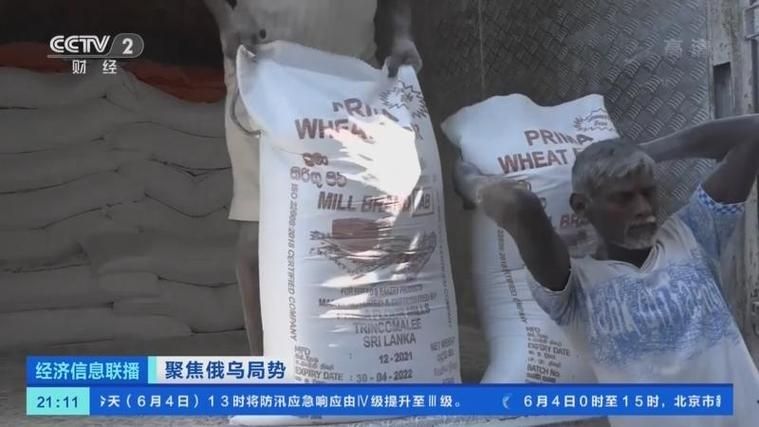
In addition, price indices for vegetable oils, meats and dairy products have declined significantly over the same period. Against the backdrop of improved global supply, the vegetable oil price index has been down by 32. 7 per cent for three years. The recovery in export supply in the major export regions has been accompanied by a 3. 5 per cent decline in the meat price index and a decline in average annual prices for pork, beef and poultry. Only the sugar price index maintained its overall upward trend, rising by 26. 7 per cent over the same period, the highest since 2011. However, the report notes that the sugar price index declined by 16. 6 per cent in december 2023, along with the pace of production recovery in brazil。
The report also reveals that the global food market remains a concern. In the case of the rice price index, for example, the international rice price index rose by 21 per cent in 2023 against the backdrop of the decline in other annual price indices for cereals, driven mainly by market concerns that rice production could be affected by extreme weather events caused by the el niño phenomenon and restrictions imposed by india on rice exports。
Just over 2023, texas in the united states has been hit by ice storms, drought-induced fires in chile, and hurricane mocah, which hit myanmar... The extreme weather conditions caused by climate change are profoundly affecting agricultural harvests. According to fao's statistical yearbook 2023, the damage to farming and livestock from disasters amounted to $3. 8 trillion between 1991 and 2021, equivalent to an average annual loss of $123 billion, or 5 per cent of the world's annual total agricultural output。
Ahmed, a senior economist at the oxford institute of economics, said: “the risks we predict remain upwards. The main risk is associated with the arrival of the el niño phenomenon, which could disrupt global food supplies and put upward pressure on prices.”
Another obstacle to the normalization of food prices is protectionism. Despite the decrease in the number of such policies in 2023, they are still well above the pre-conception levels. In july 2023, india imposed a rice export ban as another step following the 2022 debris ban. The fao rice price index subsequently rose by 9. 8 per cent in august, reaching a nominal height of 15 years and continuing its upward trend in december。
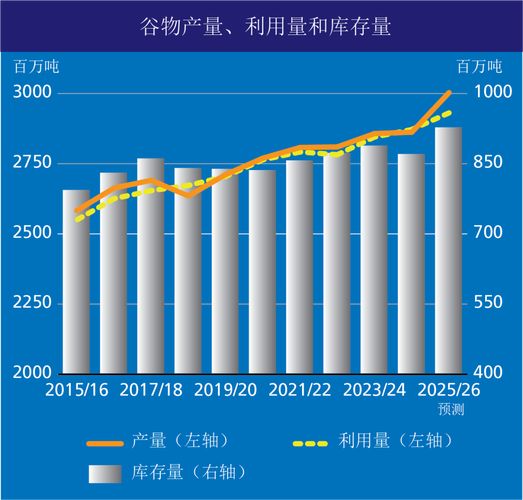
A combination of downside factors, combined with devaluations in many low-income countries, has not helped to reduce international food prices. The fao report crop prospects and food situation shows that while global cereal production is expected to grow by 2023, 44 low-income food-deficit countries have increased their production well below the global average; 46 countries globally still require external food aid, 33 of which are located in africa。
According to the chief economist of fao, maximo torero, it is imperative to improve the resilience of the entire food system to climate change. At the same time, countries should abandon protectionist measures, keep markets open and ensure smooth trade. “it has been proven that protectionist measures will not only fail to resolve the crisis, but will only exacerbate market volatility. In addition to this, we need to continue to advance food supply chain innovation and reduce food losses.” torero said。