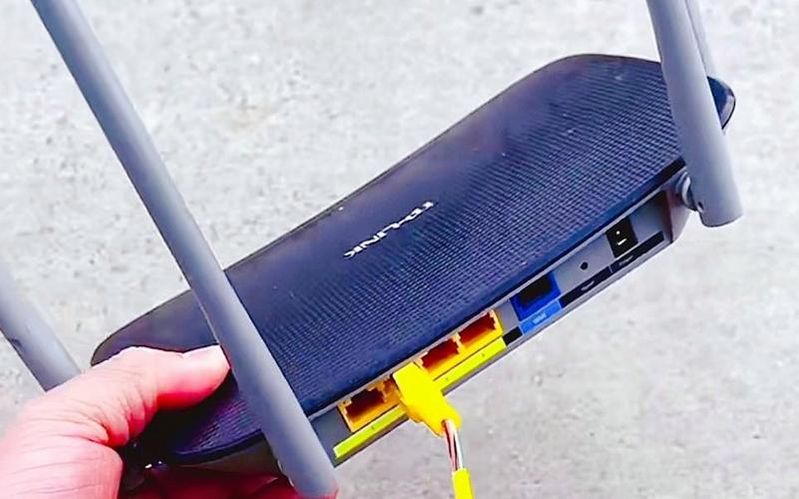
Seriously, let's just answer your biggest concern: is the remote-control lock fireproof? It depends mainly on what material you buy and what's inside. The shell on the market is filled with cheap plastics, with no internal remote-control locks designed for insulation, not only fire protection, but also high temperatures and even a source of fire itself. But if you choose a nationally certified fire control lock, then you can't just carry the heat, but you can help you escape in a fire. To be honest, remote locks are fireproof, depending on whether you can step on the chosen pit. Let's break up and talk today. Why don't we just pick out the bad locks and pick out the good ones that really survive。
Many poor remote control locks are largely fireproof, and the greatest danger is actually hidden in batteries and casings. A lot of smart locks are now made of panels and battery caps in common plastics for ease. These materials, which are caught in the open fire, will not only melt quickly, but will also release many toxic smokes. It is also deadly that some remote-controlled locks use lithium batteries, which, as long as there is a fire in the home, can swell and even explode at high temperatures. The explosion was particularly powerful and would blow directly through the fire doors that had been used to shield the fire and spread the fire into the building. We usually buy locks, don't just look good. We have to ask if the shell is flame retardant material and if the batteries are insulated。

It's a reliable fire-control remote lock, and it's more sophisticated in material use. You look at the good locks that match the national labels, and the panels and the inner core parts are basically stainless steel, or aluminum alloy. That whole metal structure has a higher melting point and can remain structurally stable in the fire field without softening the deformation to death as plastic. Also, a qualified fireproof remote-controlled lock will contain an insulation layer such as ceramic fibres that will separate the heating elements and batteries from the door plate. That kind of physical isolation design can minimize heat transfer. Seriously, when you take the weight of the lock, that light-floating plastic lock can almost be eliminated, and the whole metal lock in the sun is safer。
In addition to the material itself, the remote fire control lock requires mechanical emergency lock-opening. When a fire occurs, the entire building circuit may collapse at any time, and it is unrealistic for you to expect remote control to unlock fingerprints. A remote-controlled lock that meets fire codes, and there's still a mechanical switch on the interior panel. Even if the main panel were burned, you'd be able to escape through a purely mechanical structure. We all have to test this machine's handle when we pick it up. Don't buy the style of hiding a mechanical switch for good looks. You don't have time to figure out how to unlock it。
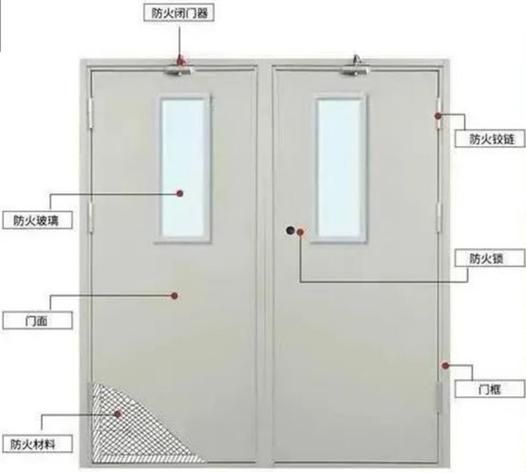
We need to figure out a hard standard, a national fire code. According to the latest national fire gate standards, locks mounted on door entry must not be less resistant than the requirements of the door itself. Like your house is a fireproof door, so this remote lock has to hold at least half an hour of heat. Many of the impenetrable locks were never tested for fire resistance, and they were installed in such a way that the protection of the fire doors was lost. When we buy the locks, don't just listen to merchants and let them show them the national fire certification report. Without this report's remote-control lock, even if the function goes down in the sky, we can't put it on fireproof doors。
We have to watch out for the usual use and maintenance. After all, remote-controlled locks are electronic products, and long-term powering may trigger short circuits if batteries are old. If you find the locks hot and smell the smell, either the battery covers the drums and the electricity is cut off. In addition to this, mechanical lockholes and emergency handles are regularly dripped with lubricant to prevent the death of rusty cards. There's a fire. Don't throw water in the fire. The water in the fire will cause electricity to explode. The correct course is to use the mechanical hand to open the door and to cover the mouth and nose with wet towels。

Summarizing: the remote lock itself is a good thing, but only if we buy and use it right. If you want to keep a remote lock on fire, you have three points at the core: all metal flame retardants are recognized, there are mechanical emergency locks, and there are national fire certifications. Don't buy no products for that, the lock is the first line of defense in the house, or the way of life in the fire. Let's take some time to do our homework and pick a really reliable remote-control lock on fire. I hope this piece of dry stuff will help you avoid the pick-up trap and hold home to a safer line。