Mountain tea seeds are now becoming scarce in our country's rural areas, where they are grown for longer periods of time, while at the same time they are costly to manage. In recent years, many rural areas have lost tea and oil plantations to other fruit trees. As a result, the amount of tea and oil planted in the past few years has become smaller and the market has become less and more expensive. Teaseed oil has been sold at a price of $100 per pound in a number of regions。
Then people wonder how much oil the villagers can extract from a pound of tea and fruit
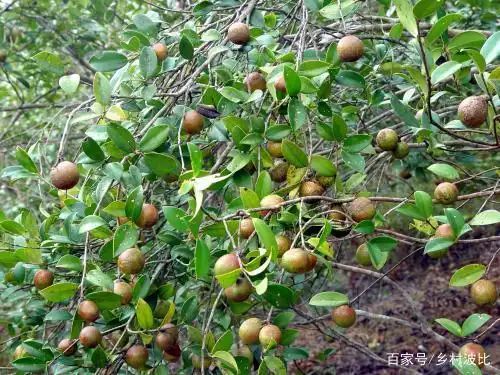
First, it took at least five years for tea and oil trees to start growing from the seedlings to enter the initial period of production, and in the seventh year to enter the productive period. It has a longer and more difficult management period. For farmers, the tea berries must go through a lot of work before they end up in the hands of consumers。
Fresh vegetable oils taken from the fruit-farmers had just been dry for a period of time, then taken off, taken off and disposed of, and then dried up until most of the teaseed oil had evaporated. These dry tea seeds can then be squeezed and eventually produced with high nutritional value and taste。
Based on the past experience of the farmers, the amount of tea and oil usually harvested is approximately 24 pounds of dry tea seeds, which are dried at 100 pounds of sun and hull。
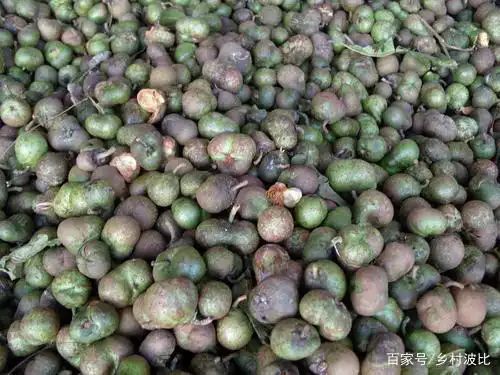
However, the rate of oil production of tea or fruit may be affected by different varieties and different timings. It is common to describe the timing of tea and oil harvesting, that is to say, between mid-october and late november, by saying that “the winter is early, the winter is late and the frost is due for harvest”。
However, different varieties, and different timings, such as frosting seeds, which are to be picked two or three days before and after the fall of the frost, and cold tea seeds, which are to be picked a few days before and after the day of the cold, have the highest rates of oiling。
The rate is determined by a combination of varieties, levels of sun drying, methods of pressurization, harvest times, etc. In terms of machine pressure, which is common in the market, the rate is around 20 to 30 per cent, i. E., two to three teaseeds can be produced after a pound of dry seed is squeezed。
The following is a picture of traditional tea seed and modern machine squeeze:
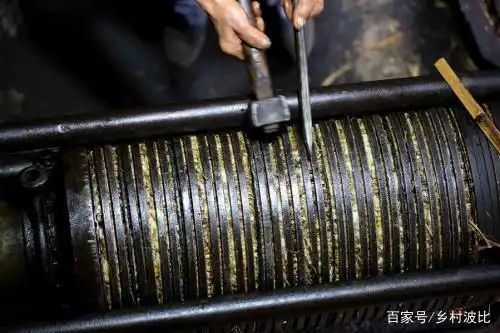
Traditional tea seed squeeze
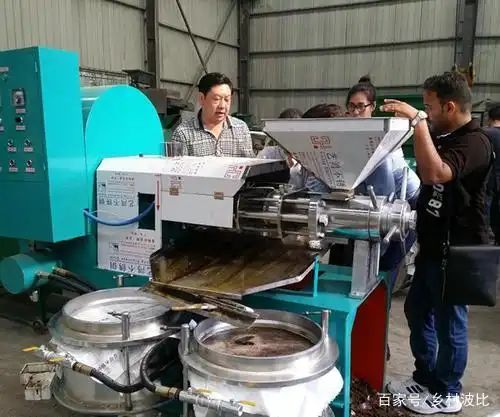
Modern and widespread tea seed crushing
Finally, the extraction rate would have been even worse if it had been the traditional form of pressure in our countryside. Usually 100 pounds of dry tea seeds are only about 18 pounds, up to 20 pounds. This is also a decision to consider the combination of tea seed varieties and final shredding of tea seeds, and the degree of cooking, pressure, etc。