Good figs: scientific planting techniques and efficient management techniques
Wang mingxi
The ficus carica linn. Is a sanco-leaved shrub originating on the mediterranean coast and cultivated in the north and south of the country. A good green view and medicinal combination of tree species is the fruit-free branch, which is thick in its leaves, elegant in its shape, valuable in its value, fresh in its food, and also processed for dry, jam, juice, wine, canopy, etc. In addition, the figs plant was ready to end in the year and was well received by the market. The fruits of figs have early results, high yields, few pests and diseases, easy management of cultivation and high economic value. In the shandong region, a pattern of scale-based and industrial development has emerged as one of the main production areas of our figs。
1 park selection
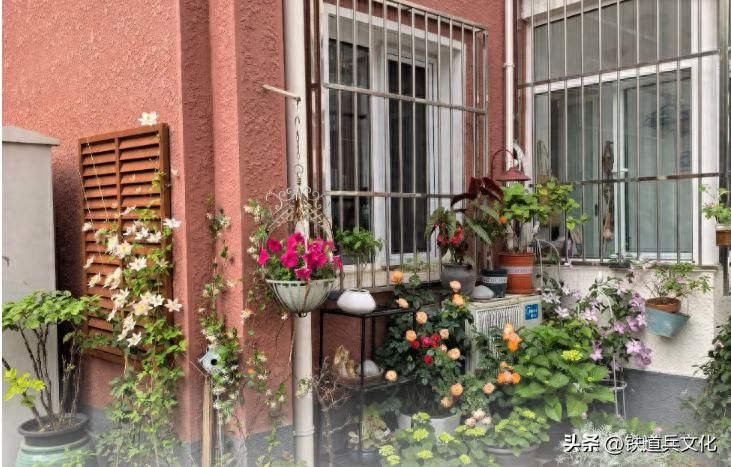
Plots with high terrain, ventilated sun, well-drived plots are preferred to avoid low-lying areas (root-water perturbation) while remaining far from industrial sources of pollution and high trees (preventing shades and competitions). If the balcony or pelvis are planted, the choice must be made for the south balcony or balcony, with sufficient light to facilitate air-resorting during high temperatures and to promote light cooperation for figs。
2 tree breeding and planting
2. 1 methods of reproduction
Cultivated mainly in small quantities, they can be grown by barbed-down or split. The piping was generally carried out in the second half of march, with a one-year healthy branch with a diameter of 1-2 cm from a good mother's plant, resulting in an ear for growth of 12-18 cm, with two to three sprouts per slot (figure 1). The nursery deep tills a black membrane with a line distance of 40 ~ 50 cm and 15 ~ 20 cm, and the two-thirds stroke of the slot is inserted into the soil, watering it to an appropriate extent and maintaining soil moisture. Some 30d of the piping is followed by root rooting, which will take place in autumn. The pressure is usually carried out after the summer branch has been wooded, with the choice of a branch with a higher degree of woodification and the application of earth culture or high pressure. Usually in late march, the plant was split into plants, with a root of the sap around the plant to be planted as a tree。
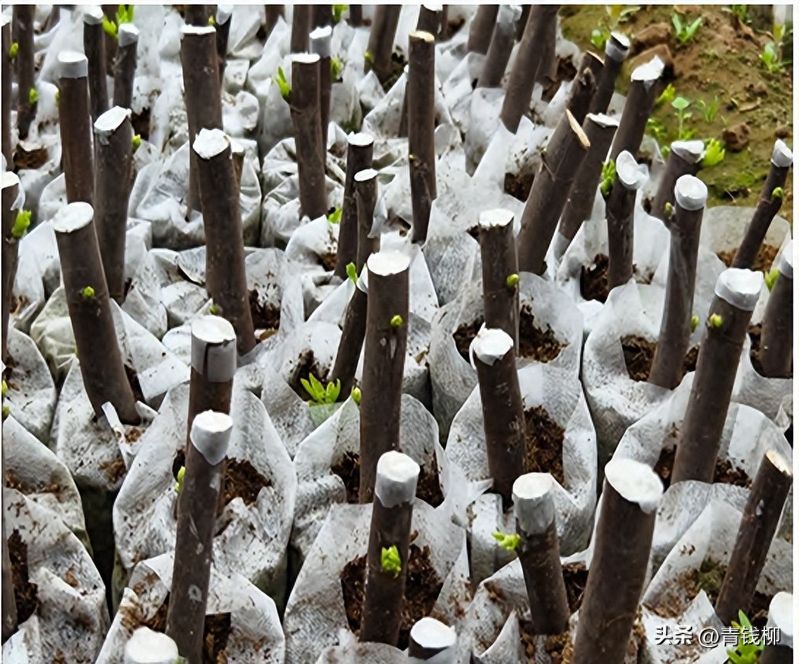
Figure 1 podgie's red ear
2. 2 plantation techniques
The northern region (north-east china, north-east china) chooses to defrozen its spring soil (march-april) in order to avoid cold freezing roots during the winter; the southern region (the yangtze basin and south-east) can plant it in the autumn (october-november) or spring, which is expected to be completed before the frost, allowing the roots to adapt to the soil in advance, and the spring of the following year to grow faster. (c) digging of a den at a distance of 2 mx3m (60 cm deep and 80 cm wide), laying 20 cm of corroded and crumbs on the ground floor, filling the middle layer with a corroded topsoil (5 kg/cave) mixed with corroded organic fertilizers, and covering the upper layer with loose topsoil, so that seedlings can be placed in the den。
2. 2. 2 plantation is available for planting throughout the year, but at the best time is spring and autumn, the summer is wet and winter is moved to the interior (at not less than 5°c) to avoid hypothermia. The bottom of the flower basin is covered with 10 cm of pottery or shredded water, the middle layer is filled with a mixed base of foliage, garden land, decomposed sheep dung of a mass of 4,3 and 2 and seedlings are placed in the centre of the basin, refilling the base to a root, light pressure the base, watering the water with a fixed root, which is placed in a half-ventilated area for a period of 1 to 2 weeks, before the new leaf rises and moves to the sun。
3. Management techniques
3. 1 integrative shearing
3. 1. 1 vegetable tree trimmed with natural happy or y fonts, with 3-4 strong branches, 20-30 cm apart and the rest removed. During the winter (december to february of the following year) weak branches, dead branches, cross branches, overlapping branches, reduced nutrient consumption and formed ventilated tree crowns. The summer (may-august) erased excessive sprawl (especially the useless sprouts on the trunks and branches) and concentrated on the nutrient feeder branches; took care of the new, over-growing (over 60 cm in length), and preserved 4 to 5 leafs to promote the division of branches and buds; and shunted the condensed branches to ensure sufficient light of the fruit (one branch per 20 cm). Keep as much of the strong as possible. The buds of the fruit varieties are born at the top of the branches, and it is not appropriate to short-lived strong branches during the winter in order not to affect yields. In the case of fig trees that are less divided or whose results are moved from one year to the next, the winter can be shortened to promote new branches。
3. 1. 2 control of tree heights below 1. 5 m, regular cutting of long branches and maintenance of tight tree crowns; the results are followed by timely cutting of the top of the resulting branch, which promotes the emergence of new branches in preparation for the next season。
3. 2 field management
3. 2. 1 fertilisation of figs is based on the principle of “nitrous phosphorous potassium”, adapted to soil conditions in different regions. The application of fertilizers is combined with winter farming before and after the fall of leaves, accounting for 50 per cent - 70 per cent of the annual application; generally around november. Fertilizers are applied before the rapid growth of summer and autumn fruits, accounting for 30 per cent and 10 per cent and 20 per cent, respectively, of the annual fertilization. Quick-impact nitrogen, potassium, calcium, phosphorus fertilizer. Between mid-march and the end of april, nitrogen fertilizers were used mainly, combined with water and urea application of 0. 1 kg per application every half month. After may, it is mainly applied to phosphorus, calcium, potassium fat, especially in august-october, which is applied once a month, each application of potassium dihydrohydrophosphate and calcium dihydrophosphate 0. 1 kg to promote the growth of the fall root system, to accumulate nutrients and to promote the growth of the branches and toddles. The amount of nutrients stored has a direct impact on the winter branches and the thaw resistance. The april-may fruit build-up period was marked by the spraying of nitrogen, phosphorus and potassium-speed fertilizer on the leaf。
3. 2. 2 water can be moderately watered in order to increase the production of red figs in poppy. In mid-march, the water sprung. Prior to mid-june, the relative water content of the soil was 70-75 per cent, with multiple consecutive days of water accumulation or drought highly likely to result in physiological fallout and lower single fruit quality. Between august and october, the relative water content of the soil should be maintained at 45 ~60 per cent, and nitrogen fertilization should be banned in order to inhibit branch lengths. Water for winter in mid-november. The rainy season should focus on drainage. It is desirable that fresh and fruit be quickly and permanently pumped, that water be stopped when the fruit matures and that frozen water be poured over the leaves once. Chinese farming is combined with water and weeding, with arid and semi-arid gardens it should be followed by plowing of pine soil, and rain-fed areas should combine with weeding。
3. 3 pest management
3. 3. 1 chemical control of the main diseases of the pohjian figs are black spots, which can lead to the deterioration of the quality of the fruit's appearance, the early fall of leaves, the death of branches, etc. (figure 2). During the growing season, especially before and after wheat harvests, high temperatures and humidity and frequent rainfall can lead to black spots. Controls can be carried out with a combination of endurance, rusty, etc., using a microbicide of 450g/lmimetamine water emulsion 5,000 times more liquid, 40% phenylether acetamide suspension 4,000 times liquid, 125g/l fluoride suspension 3,000 times liquid, 80% dissonant zinc wettable powder 800 times liquid, and 25% ethyl ether ester 2000. Avoid the use of highly toxic pesticides when the fruit matures, giving preference to biological or low-toxic pesticides to ensure the safety of the fruit。
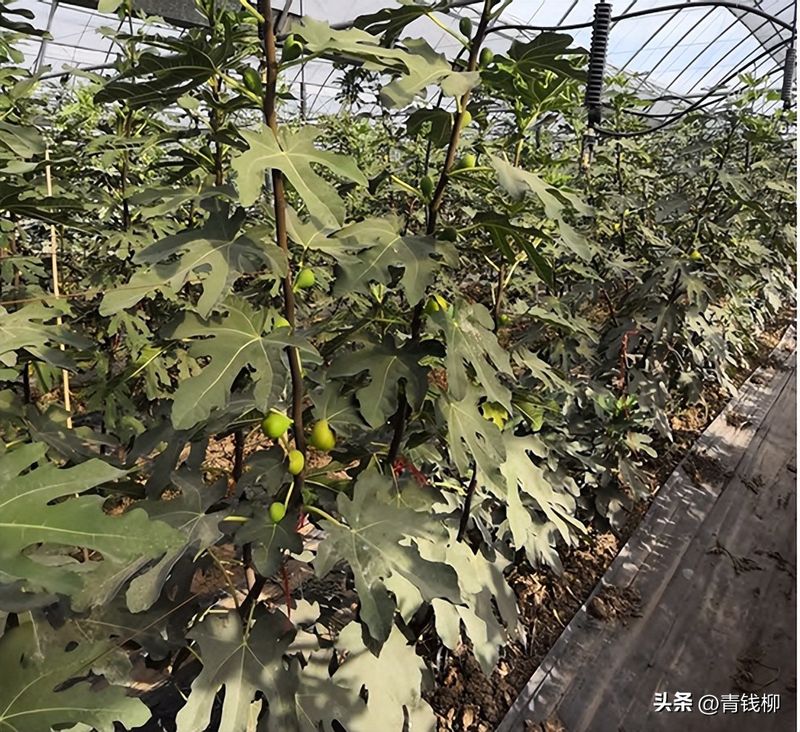
Figure 2 podgie figs and black spots
3. 3. 2 physical control. Inducing pests through the use of sticky boards and the installation of insecticidal lamps. Before the fruit matures, the yellow plaque is used to effectively combat pests such as fruit flies and orange larvae flies. Insecticidal lamps are installed on fruit trees to trap harmful organisms that are luminous, such as oxen and gold turtles. The second is to set up a quarantine belt. In addition to being the main pest of figs, it is possible to plant san trees or euphoria trees in areas other than 100 m from figs, construct quarantine protection belts and reduce the risk of sanctuary aggression against figs。
4 fruit harvest and storage
Pohjian figs are better harvested when they are ripe, i. E. When the fruit grows in a standard size, displays the colour inherent in the variety, and is softened; if transported or used for processing, they are better collected when they mature; if they are ripe, they can be processed after they are harvested; and after october, figs cannot naturally mature and can be used to process dry green for medicinal or alternative tea。
The figs are mainly refrigerated in a storeroom, where they are pre-selected with high-quality figs, placed in a simple plastic basket, or packed with figs in foam boxes, plastic boxes, etc., with care not to overload to prevent crushing. It is then stored in a storehouse at 0-4°c. It is advisable not to wash fresh stocks in case of deterioration (figure 3)。
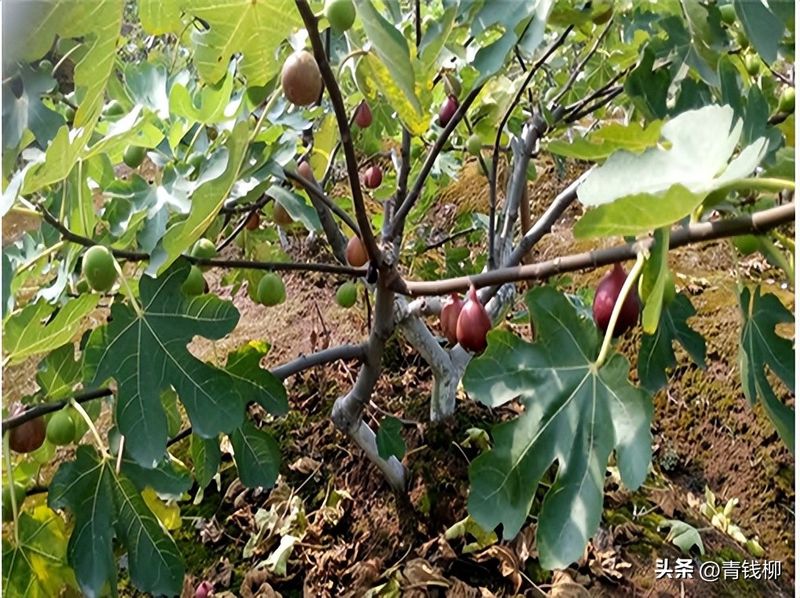
Figure 3
5 winter protection
Paddy has a warm and dry climate that is less resistant to the cold, and where temperate areas are cultivated, the branches are often prone to freezing, especially in the case of young trees, and face temperatures of -10°c during winter, they are extremely vulnerable to freezing and even risk freezing to death altogether. The area north of the river needs to be frozen in the tree base, about 35 cm tall, before it can be removed from the ground when it melts in the spring. For large branches, we can protect the winter. For plants that can be moved indoors, temperatures are maintained at 5-10°c and water is controlled to avoid premature growth (figure 4)。
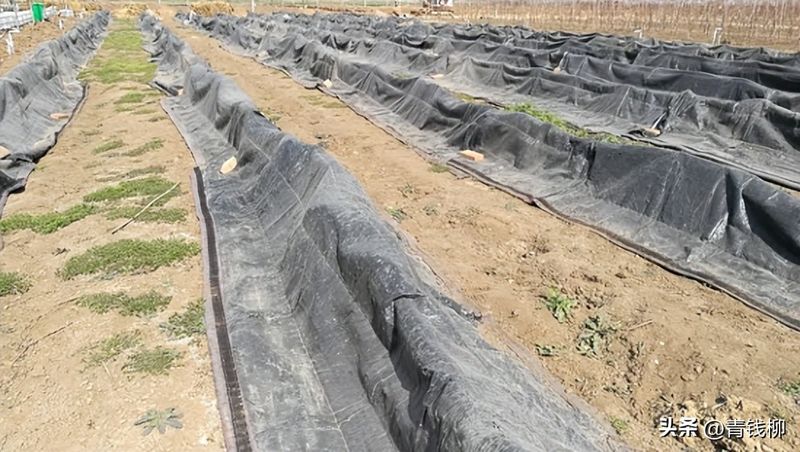
Summary
The figs, which are one of the current mainstream fruit products, have the characteristics of high yield, high sweetness, soft taste, and high adaptability, and are suitable for cultivation in most parts of the country, including north, east and south china. At the heart of the management of figs cultivation is “water control and flood control, rational fertilization, scientific trim and pest prevention”. High-yielding quality can be achieved if the timing of planting, the pace of demand for fertilized water and the timing of cutting, be it family pelvis or daejeon planting, are managed。