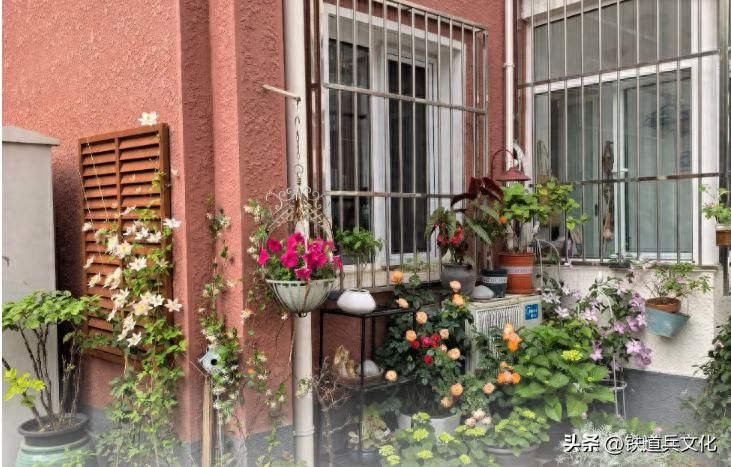
There is now an increasing number of rural gardens, slopes and even domestic balconyes where fig trees are grown. The fruit tree results early, clean and sweet, easy to eat at home, and managed, with a good annual harvest。
I've been growing figs for almost 16 years, and i've been able to do this since the beginning, with no roots, no roots, no leaves, and now, whether in the open or in the courtyard, or with a pottery, it's all right to crawl in the ground and to draw conclusions. Today's non-fiction theory, rather than suppositions, uses our farmer's big words to tell the story of the figs, from seedlings, year-round water fattening, to trimping, to pest control, winter cold control, to new hands, so that old farmers can cross the pits。
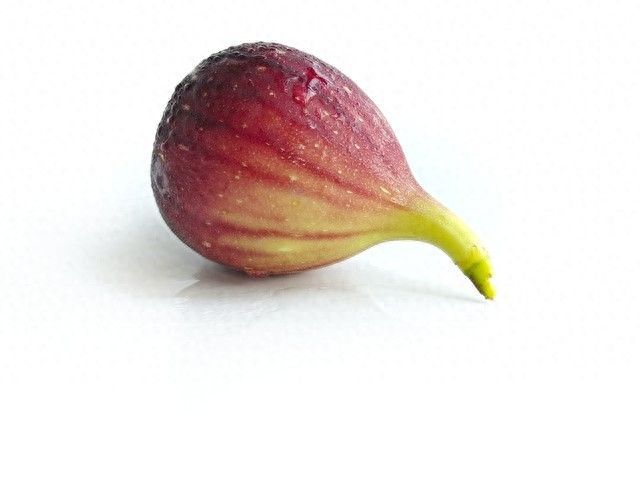
I. Sapling selection and planting: first step solid, double the survival rate
It's hard to keep a tree, either dead or dead. Let's get this straight。
(i) selection of seedlings without pits
Whether it buys seedlings or is self-inflicted, preference is given to a year of healthy seedlings with well-developed, multi-skinned, dry, bright skins, no worm eyes, no dry and dark marks. Instead of blindly choosing rare varieties, the newcomers choose a local crop that is multi-planted, adaptable, cold and disease resistant to the local climate, and that is less difficult to feed。
In the spring, you choose a healthy year, cutting 20 to 30 centimetres, cutting into loose soil, keeping the soil moist, so that you can have roots in almost a month, without complicated operations, and so that you can grow a seedling in the countryside。
(ii) timing
Open planting takes place in the north and the south: it is most suitable to migrate after falling leaves in the south, with moderate temperatures and fast seedlings, and in the north, when the soil of the chosen spring is unfrozen and pre-sprinated, it is generally clear that the time of the rain will be between spring and winter, so as to avoid freezing of the young. It's easier to plant a plant four seasons a year。
(iii) land selection is key
There's a big problem with figs: light, fear of water. In the open air, it is essential to select land that is high, sunward and drains well, and that must not be planted in low-lying areas. The rain is pouring down in the rainy season, and the two roots are decaying in three days, and the whole tree is dead。
The soil selects loose and fertile land, which is too much of a sticky soil, and is pre-blended with morbid farm fatting, so as not to tie the soil. The pits are dug 50-60 cm deep, 40-60 cm in diameter, with a layer of rotting sheep and cow dung laid under the pit, and a layer of soil covered, so that the seedlings do not touch the fertilizer and are easily burned。
(iv) establishment of physical exercise steps
Put the seedlings in the pits, spread the roots, stay away from each other, correct them, then fill them with a sap of seed, so that the roots and the soil can be tightened, then continue to fill the soil and pour down the water. The depth of planting is the same as the original depth of the seedlings, so don't plant it too deep, otherwise it will be slow to germinate。
Cultivation also needs to be noted. The courtyard is monolithic, leaving enough space for growth; open-air seeding, with a distance of 2 metres and a distance of 3 metres, should not be so dense that the tree canopy grows later, with poor ventilation, with fewer and more vulnerable to disease。
The plant selects a flower basin with a calibre of over 30 centimetres, a balconies or shreds of bricks at the bottom, eases drainage, and the soil is fertilized with morbid farm fats, ensuring abating gas and not with pure clay。
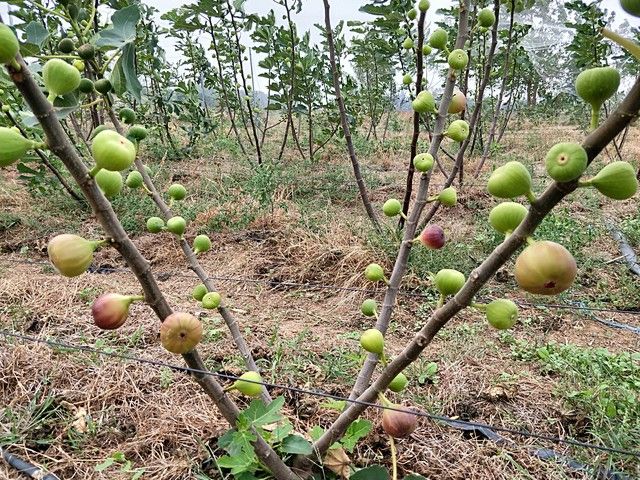
Ii. Management of water fertilizers throughout the year: watering, fertilization, and growing fruit
The figs are resistant to drought and flooding, they are fertilized, they are watered, they are fertilized, they either fail or they fail, they're all in vain, and we're on a seasonal basis。
(i) watering: remembering that it's not dry, it's watering
1. Premium age: newly planted seedlings, keeping the soil micro-humid, with no heavy water pouring, are the most susceptible to daily watering of dead seedlings, and soil surfaces are refed。
2. Long-term life: after the spring bulge, new growth occurs quickly, with the drying up of the dry soil on the basis of soil sprouts; high summer temperatures, combined with the expansion of fruit, high water consumption, timely water recharge during drought, and other leaves with hair and curls。
3. The rainy season & pre-winter: during the rainy season, the drains must be dug well in advance and the water in the ground and in the yard must be drained in a timely manner and not at all; when the fall fruit harvests quickly, less water should be poured in order to avoid the breakage of the fruit; a pre-winter cold water should be poured to protect the root system, which is not susceptible to freezing in winter。
In conclusion, "the figs are afraid of drought, and they are afraid of flooding, rather than drying up, and not pouring water into their roots."。
(ii) fertilizers: mainly organic, supported by fertilizers, with no preference for nitrogen
The fertilizing of figs is not just nitrogen fertilization, and many of the old people use urea, and the branches are growing up, which is the reason for the fertilizing of nitrogen, following the rhythm of “autumn-based fertilizers, spring stimuli, summer fruits”。
1. Autumn base fertilizers (before leaves fall after harvest)
This is the most important fertilisation throughout the year, the fruit is harvested and the tree nutrients are consumed and must be replaced. Digging around the canopy of 20-30 cm-drives, each adult tree fertilizes 10-15 pounds of rotting farm fat, with a small amount of compound fat, burys the ground and water, so that the tree body can store its nutrients, survives the winter in a safe manner, and sows in the coming year。
2. Spring sprout (march-april)
When the spring pear tree is about to sprouts, quick-effect fertilisation is pursued once, mainly with nitrogen fertilizer, with each adult tree applying 0. 5-1 kg of compound fertilisation, digging a shallow pit around the plate, pouring water and promoting fresh hair. The saplings of the trees are less frequent, and the branches are avoided。
3. Summer inflation (june-july)
When the fruits start to expand, the emphasis is on phosphorus fattening, reducing nitrogen fertilizer, and adult trees apply around 1 kg of high potassium compound fat, or corroded pie fat, promoting the growth of the fruit, raising its taste and reducing the fallout. It's a time when there's no fat, the fruit is small, the taste is low and it's easy to fall early。
4. Post-harvest supplementation
During harvests, a small amount of thin fat was applied, the tree position was quickly restored and the tree nutrients were avoided, affecting subsequent results。
Fertilizer avoidance reminds farmers of the need to decompose and burn their roots alive; to apply fertilizers away from the trunk, 30 cm away from the trunk, so as to avoid harm to the main root; and to water the fertilizer every time it is applied to help absorb it。
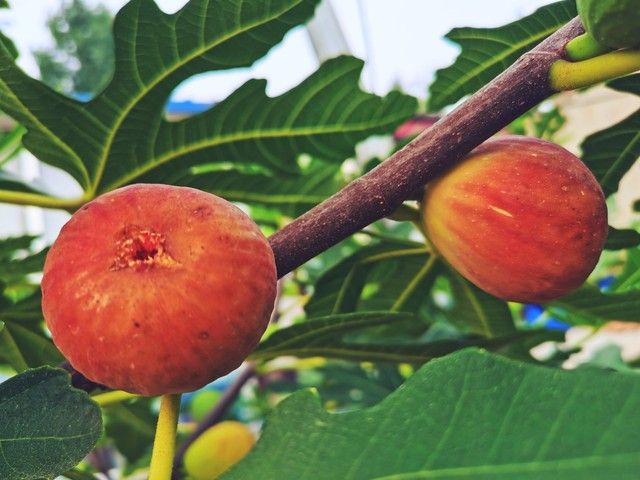
Iii. Integrative trim: trims to branches, multiple results, tree shapes okay
The figs are the result of new branches, which are trimmed without complex techniques, i. E., cutting out the messy, useless branches, ensuring ventilation and concentration of nutrients on the branches。
(i) teenage trim (1-3 years)
The larvae are mainly tree-breeding, with three to five strong branches, which form a natural happy form, with extra buds, thin branches and cross branches cut off in time. The main branch is appropriately short-cut, promotes branching, rapidly expands the tree canopy and does not recut it, otherwise it affects the growth of the tree and delays the outcome。
(ii) adult tree trim (fresh period)
1. Twigs: cutting off all cross branches, overlapping branches, disease branches, weak branches and long branches, which fail to produce results, as well as stealing nutrients, resulting in a lack of air and a lack of sun in the interior。
2. Retrospect: the old branches of the fruit have retrenched properly, promoting the emergence of new branches of results, and avoiding the increasing movement of parts of the result, with no fruit in the later stages, all hanging on the tree。
3. Summer cut: the summer season was a time to wipe out the roots, the useless buds on the backbone, the long branches that grew too fast and reduced nutrient waste。
(iii) winter cut
When the leaves fall, they begin before the bud, they cut out the dry and cold branches, the sick and the sick branches, and they cut the whole thing lightly. Don't overwhelm them, cut the branches, and no fruit will be taken in the next year。
Iv. Pest prevention and control: prevention and early detection and treatment
There are not many figs and pests, but they're not managed. If they explode, they destroy the fruit and the weak tree, and we don't do anything wrong, we'll do it with agricultural control, less medicine and better。
(i) common diseases and control
1. Anthrax: it is easy to get it when it is wet and poorly ventilated, and the fruit is dimmed and decaying. The drainage is usually done, the orchards and courtyards are radiant, the fruit and leaves are discovered, the leaves are removed in time, the garden is burned and the disease is reduced。
2. Root decomposition: all water-stubling, soil-painted, in the form of yellow leaves, falling and black roots. The core is the selection of plots, the elimination of water accumulation, the early improvement of soil adhesion, the timely control of water, pine soil and increased soil aerobics in the event of disease。
(ii) common pests and control
1. Santen cattle: the larvae enter the stem to eat, the branches dry and the trees weaken. Regularly, they visit the gardens, see worms and worm holes on the branches, catch them manually in time, and cut the severely affected branches directly。
2. Red spiders: high-temperature dry weather is prone to occurrence, foliage is absorbed and leaves are yellow and white. Do not allow the soil to be excessively dry, moderately humid, detect pests, treat them in a timely and targeted manner, select formal agricultural assets and use them as described。
(iii) comprehensive precautionary approach
1. Cleaning up all the leaves, fruit and weeds of the land in winter, scraping out the old trunks of trees and eliminating the winter bacteria and eggs
2. Rationally trimmed to ensure that the canopy is ventilated and that the horticultural humidity is reduced so that disease pests are less likely to breed
3. Water fattens and the trees grow stronger, and they become more resistant to disease and pests。
V. Winter-over-wine preparedness: the northern countryside must do it, so that one year is not wasted
Frozen figs are impenetrable, the southern region warms in winter, with little to worry, the northern region is low in temperature, is not cold, branches and roots are prone to freezing, or even freezing to death。
Precipice: before the winter, the roots prepare 30 centimeters of soil, guard the root system, the branches are wrapped up with straw ropes and straw, particularly low temperatures, and the seed is bent directly to the ground and then excavated in spring。
2. Anti-cooling of adult trees: root-breeding, dry-painted, both freezing and killing winter pests; wind sheds are built in areas below minus 10 degrees to keep them warm。
3. Plantation figs: in the winter, move to the interior, the balcony, not to freeze, less water, and keep the soil dry。
Vi. Routine care and extract points
1. Cultivated pine soil: loose soil following rain, water and around the tree plate, so as not to bind the soil, so as not to be too deep and so as not to hurt the roots
Weeding: timely removal of weeds, weeds and fruit trees, fattening of water, collection of pests, manual weeding, and not strong herbicides, which can easily hurt trees
3. Succeeding: the fruit is too condensed, and the small, deformed, diseased fruit is duly wiped out, the nutrients are concentrated in the provision of good fruit, and the fruit grows more and is of better quality
4. Picking: the fruit matures with bright skins, small cracks on the top of the fruit, soft hands, pickin ' mornings or evenings, take it easy, don ' t touch the fruit, otherwise it is easily rotten。
Vii. Responsibility of an old house
1. The figs are the ones who fear the most of water, and the lowlands must not plant a single piece of waste
2. Do not apply nitrogen fertilizers, and the leaves are too long to produce results, so that the farmers ' fertilizers are used with potassium phosphorus
3. Cutting, re-cuting, new branch results, many more with no fruit for the following year
4. Pests and pests are better than anything, with early clearing of gardens and ventilation
5. In the winter, the northern part of the country is not lazy, does not act against the cold and spends a year in vain。
Topical discussion
So, folks with figs, are you a garden plant or an open garden? Have you ever encountered the problem of rooting, the loss of light leaves and the breaking of fruit? What did you do? We'll share our experiences and learn from each other
A sweet hint
Nucleus cores: applied to the sun, draining water, thin fertilizers, water fertilizers adjusted to tree positions, cold-proofing in the north, disease- and pest-preventable, drug-selection of regular products, strictly descriptive, low-intensity