Pedestrian processing centres and stand-by processing centres are two commonly used numerically controlled processing equipment. It is divided into the previous and next sections, which compares the undercover processing centres with the stand-by processing centres。
This will be presented from the structural features, application areas and processing advantages of the undercover processing centres。
I. Structural characteristics
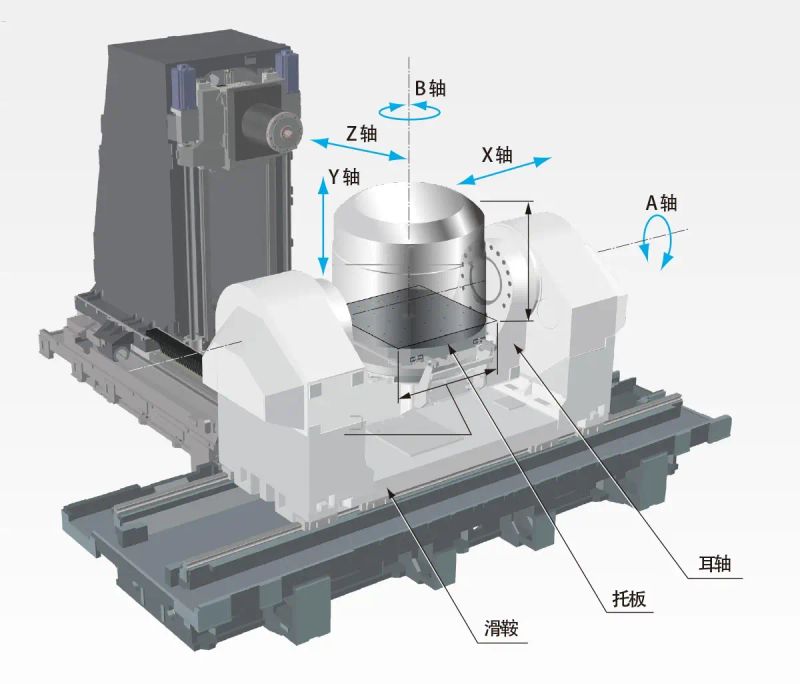
(c) a rectangular processing centre is a processing centre set up parallel to the main axle and the workstation, which usually has three straight axes and one or two rotation axes, with mobile and rotational functions; it is a very common mechanical processing device with high efficiency, high precision and wide processing。
Ii. Application areas
The pvc is an efficient, high-precision digitally controlled processing equipment that is widely used in various industrial areas, from aerospace to the production of medical devices. Its emergence has provided strong support for the development of modern manufacturing。
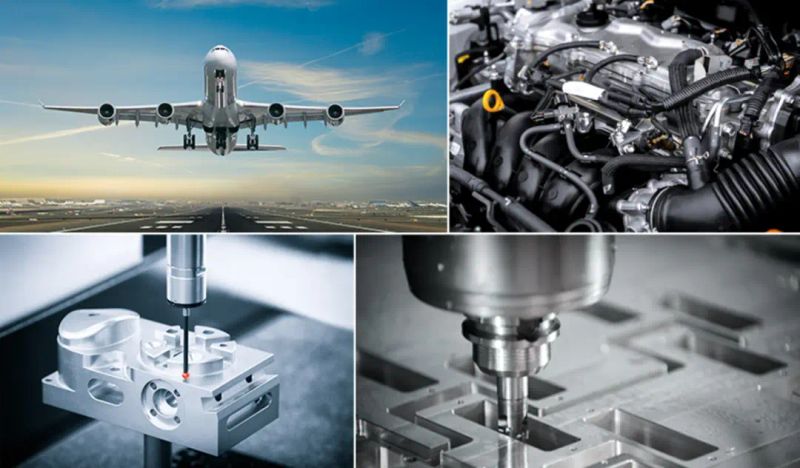
In the aerospace field, undercover processing centres are used to produce a variety of high-precision aviation components, such as turbine blades for aircraft engines, receivers, bearing holes, etc. The manufacture of these parts requires high-precision processing and strict mass control to ensure the safety and performance of aircraft. Pedestrian processing centres can achieve efficient cutting and accurate modelling of aviation materials through, inter alia, five-axis processing, improving production efficiency and product quality。
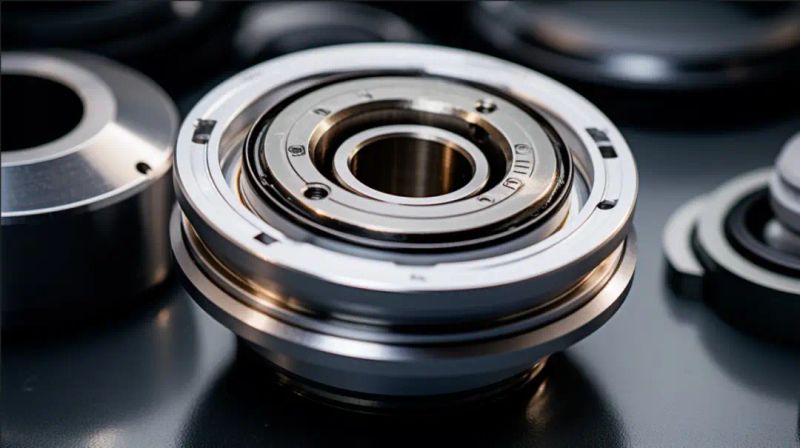
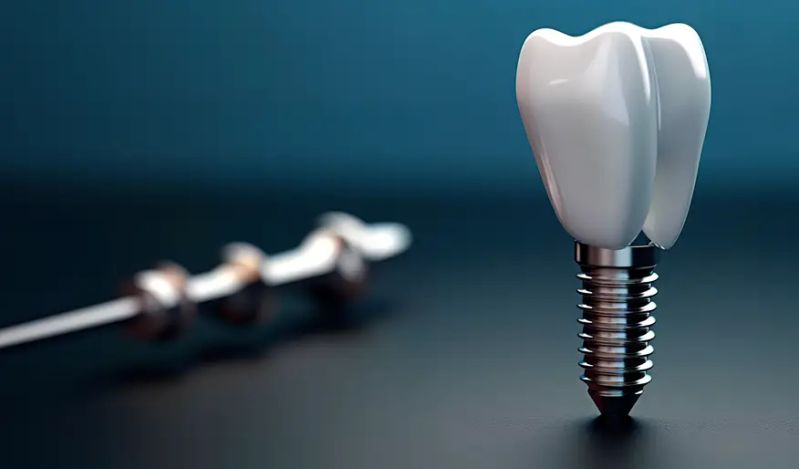
In the field of medical equipment, the undercover processing centres also play an important role. The production of medical devices requires strict quality control and high precision processing requirements to ensure the safety and effectiveness of products. A range of high-precision spare parts for medical equipment, such as artificial joints, dental plants, etc., can be produced by the undercover processing centre through the precise processing of metals and non-metal materials。
In addition to aerospace and medical equipment, undercover processing centres are widely used in such areas as energy, transport and machinery. For example, in the energy field, undercover processing centres could be used to manufacture reactor cores and high-precision components such as valves for nuclear power plants; in the area of transport, night-processing centres can be used for the manufacture of heavy- and heavy-strength parts such as wheels and subways; in the area of machinery, night-processing centres can be used for the manufacture of mechanical parts of various complex shapes, such as cams, curves, etc。
Iii. Processing advantages
1. Process efficiency
Pedestrian processing centres have efficient automated processing features, enabling the automatic completion of multiple processing processes, such as drilling, cutting, cutting and wiring, which are many times more efficient than manual processing and reduce error rates。
2. High processing accuracy
Because of the advanced mechanical techniques employed in the undercover processing centres, the processing precision is extremely high and can meet the requirements for high precision processing, especially when processing some hard materials。
3. Wide range of processing
These include metals, non-metals and a variety of composites, and they are processed in a wide range of ways to meet the needs of a variety of materials that can be processed in a variety of undercover processing centres in the same shape, size and complexity
4. Easy to operate
Compared to other mechanical processing equipment, the undercover processing centre is simple to operate, and the user can do the work of the machine only if it is simple, thus increasing the user's efficiency。
Summary
The pvc is a very common machine-processing equipment with high efficiency, high precision and extensive processing。
Overall, there are some differences in the structural characteristics and applications of the undercover and vertical processing centres. The choice of a suitable machine should be based on specific processing needs, which could improve both production efficiency and product quality。