Man/jovi
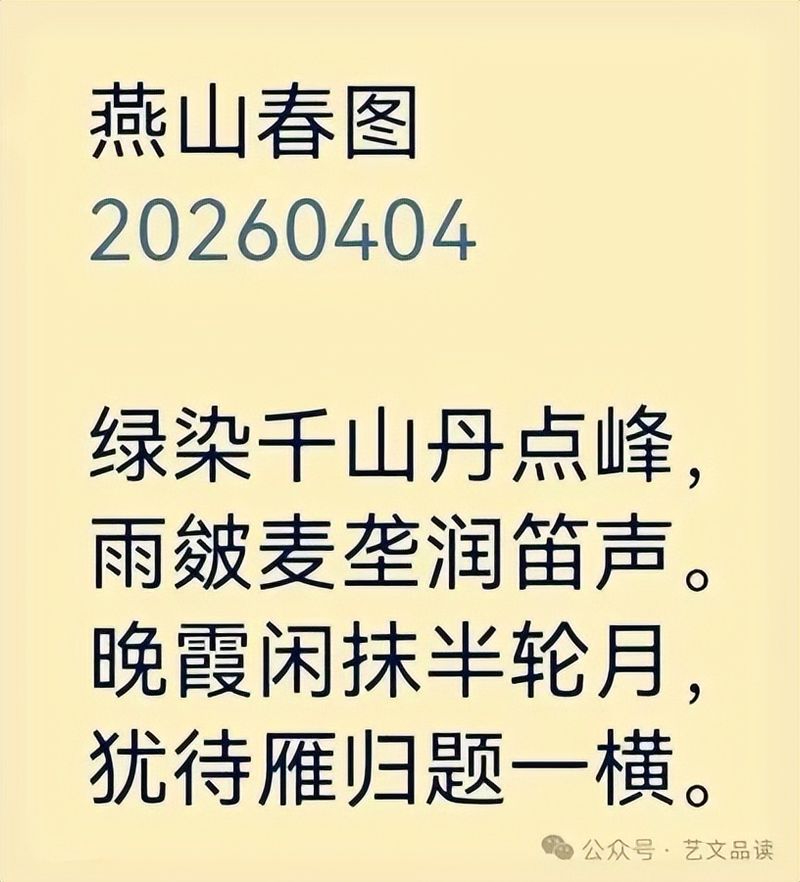
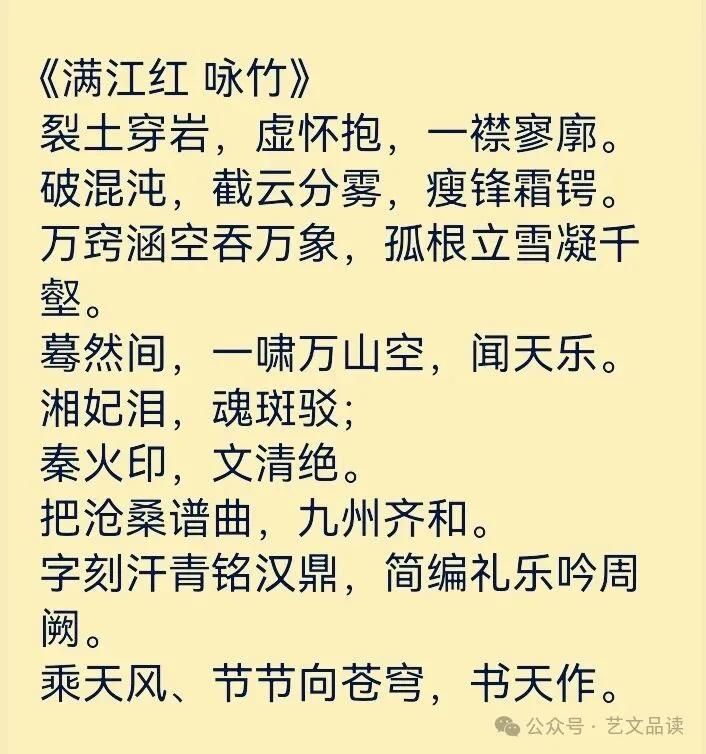
And reading the poems of zheng yuan's brother first feels like he's coming up with something new, and you're going to enter a plural imagination with his language. He writes poems that, while they keep to the echo of the times, each character falls into the fire. His poems were never confined to some kind of gestation and design, but instead tilted the emotions to the spiritual level, condensed the words into imagination and produced the human essence. The poems of the brother-in-law are directed at the world's people, as follows: there are suns and baths/carats/ river twilights/carboons (yenwon chun, china) and the dimness of the “mixed moons/shaws” (yolulu spring map). He often translates a particular emotion into a promise to the life of the zenith, obstinate words and touching souls. His words are sad, he writes about his country's world, he praises the natural light, and he has a common resonance of joy and sorrow. He translated the plain and strong emotional landscape into “gold” and his imagination over time and into a sense of truth。
Indeed, the first thing to do at the threshold is to know the truth. In particular, the strength of ai's involvement in culture makes it difficult to discern whether a poem comes from a mixture of human machines. You read the poems of zheng yuan, you capture a vibrator of the heart, and in addition to the seductive text, the text beats living weather. His speech is a reflection of the days and years of his life, and the spiritual features of his life are written, in both smug and stark. His poetic words, with their wide-rangingness, also contain the elegance and depth of song's poetry, expressing, to the greatest extent possible, a philosophy of fear and reason for his country. As liu xian's "little dragons of the heart" said: "to the people, to the people, to the people, to the senses, to the spirit, to the nature." this is the case of brother zheng, who sought and asked for the wisdom of a poem from him, who stood firm in his heart and in his heart, in his kingdom and in his heavenly life, and who read his poems, you will see the hearts of the scribes across the text carriers。
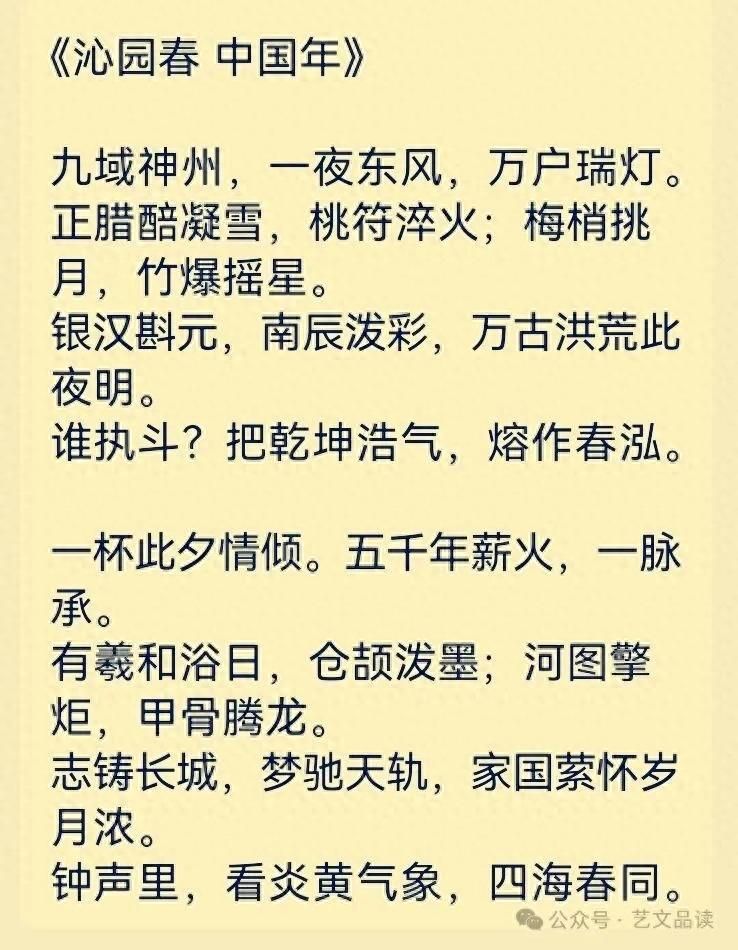
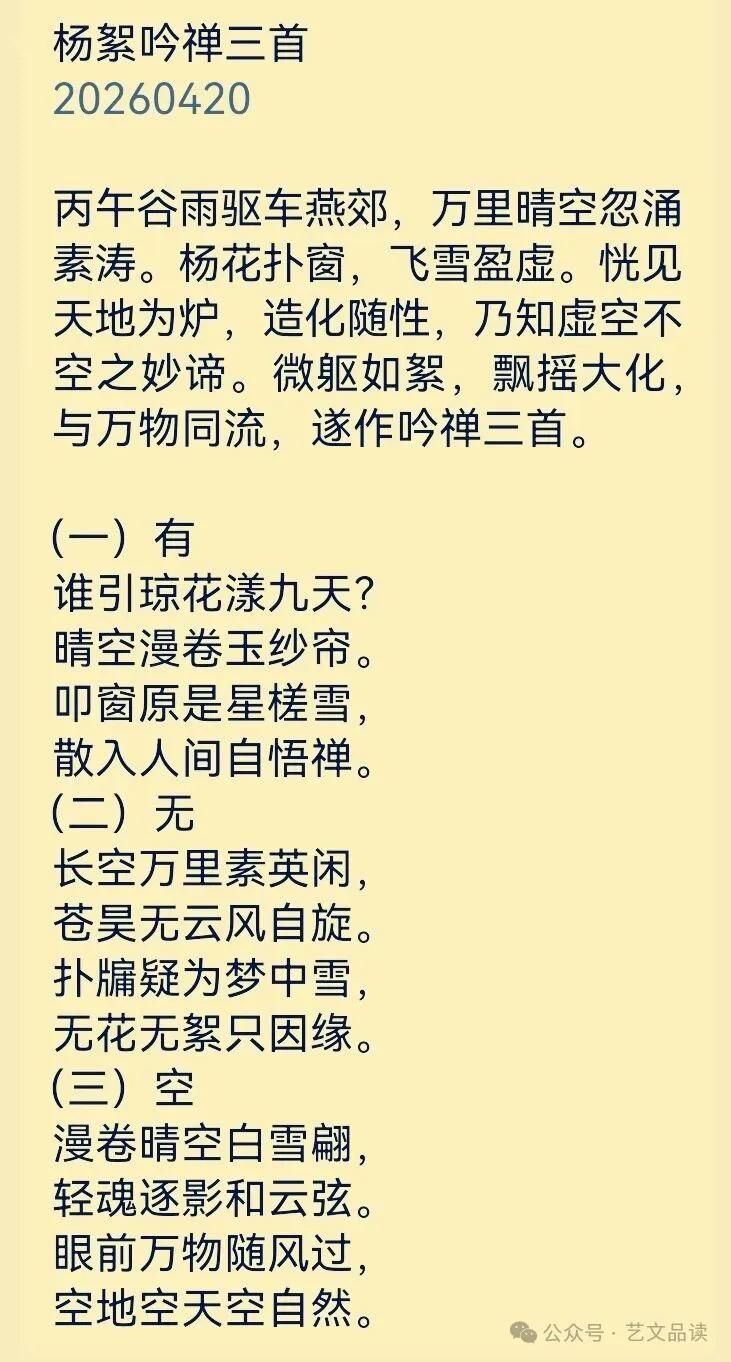
In the age of ai, the chinese people entered a wave of revival of old hymns, without which they could speak to each other. The old term is no longer a suspense of theory, but rather the path of numerous creators who quickly flash poetry through ai. Using traditional poetic formats, the chinese kernel was used as myomatic, resulting in an ai conversion of classical poetry. However, the ai poems appear to be well-written and well-worded, both in the sense of mountains and wind, and in the hope of the world, with only a lack of life. Remember, in the words of man: “the word is the best in the world. It's a place to be. It's a place to be. Ai can imitate forms, but it cannot repeat the temperature of life and the high distance. Reading the poems of the brother-in-law, he was not an empty parable of thought, but rather, by nature, comforting life, drawing from life prostration of fate. His poetry has never distanced itself from the philosophy of life and from the description of life, as he wrote in "rings of rivers and bamboos": "cracking of earth/fake of embraces/spanning. • chaos/mog/scrawl ” using the marrow of bamboo as a metaphor for the tenacity of life and the vision of the future, he expressed a sense of surprise and the courage to challenge the face of the earth, and he used the marrow of bamboo to exemplify the lonely bones of the soul. Zhang yuan's “scrambling bamboo” places greater emphasis on breaking and performing in a difficult situation, the word “discretion”, both in the context of the opening up of the world and in the metaphor of seeking a spiritual siege in the current information flood. This spirit is hidden in the scenes of "all the things, all the snow, all the things, all the things, all the things, all the things, all the things, all the things, all the things, all the things, all the things. Under the fast-paced dynamics of survival, he paused to read his poems as a gentle spirit of return. A few short words of poetry can calm down his impatience, allow you to understand his romance and tenacity, and thus learn from his perceptive attitudes to life。
From a certain point of view, the poet, who is the brother-in-law, is trying to re-formulate his language and rhythm and, indeed, to bring poetry back into the contemporary context. Contemporary poetry, which is distinguished from traditional old poetry, is the symbol of breaking the circle of ethos and moving towards the refining and opening of philosophical and poetic languages. His poems clearly practice a linguistic logic, abandoning the paths of old hymns and rhetoric. Instead, it goes into poetry in plain and plain terms, in words that fit the expressions of the contemporary language, without a sense of seclusion. From the point of view of modern poetry, language choice is essentially about getting poetry back into life. He writes about nature and wind, and rarely uses the distant aristocratic words, but instead creates imaginary spaces of poetry that readers can enter without comment. For example, his "range red wingme" said: "who forged the ice of the ages? Landlessness/snow sealing/frost flaming blood knots... Is a vivid display of merciless self-cleanness and pride. Writes about nature's vibrancy and flair, and about the awakening and the horizon of "since spring and autumn." his poetry preserves the rhythm of the poem and its retention in the language temperature, thus balancing the concentration of contemporary discourse and poetry. This is the core quest of the poem, which brings it back from the subtlety of words to the general public and to the common。
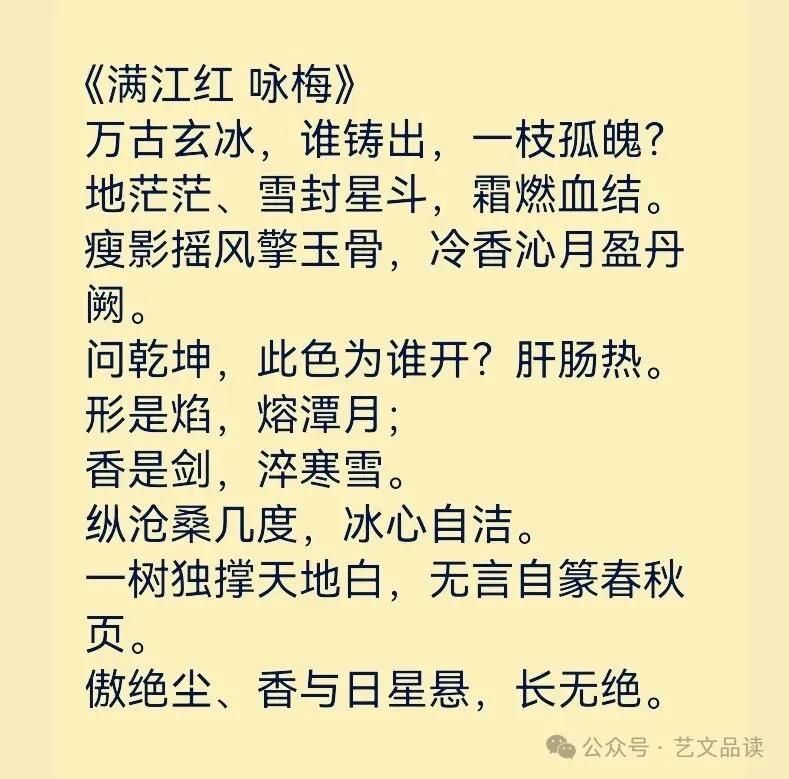
Focusing on contemporary poetry is not a redrawn and inherited tradition, but rather a functional re-engineering and expansion of it. Let gertrude evolve from the ultimate criterion of creation to an expression of the content of the service. Most of his poems follow the basic style of the words, poems, placards, and preserve the beauty of the rhythm of war and rhyme. But in concrete terms, it is smooth and hymn, but it is proficient to the contemporary chinese-language voice system, which follows the path of a broad ethos and a sense of linguism, is not bound by the old hymns, nor is it distorted to distort the expression. This practical reshuffle is not a lack of professionalism; it is in essence a proactive adaptation of the contemporary nature of old myths. Only by allowing forms to keep up with the trajectories of languages can the old verse be transformed from a obscure symbiotic stylish to a living contemporary context。
The charm of poetry lies in its immortality, its immortality and its warmness. The hymns of the millennium, the words of the words, the beauty of the letter and the spirit, which belong only to the chinese nation, will be passed on from generation to generation and will live throughout the years and years. It is precisely this idea that is being practised in modern times in the creation of the poems of the brother-in-law, in which he breathes a new life in the age of ai in a sincere touch, an open heart and a well-known language. (author: jovi, art critic