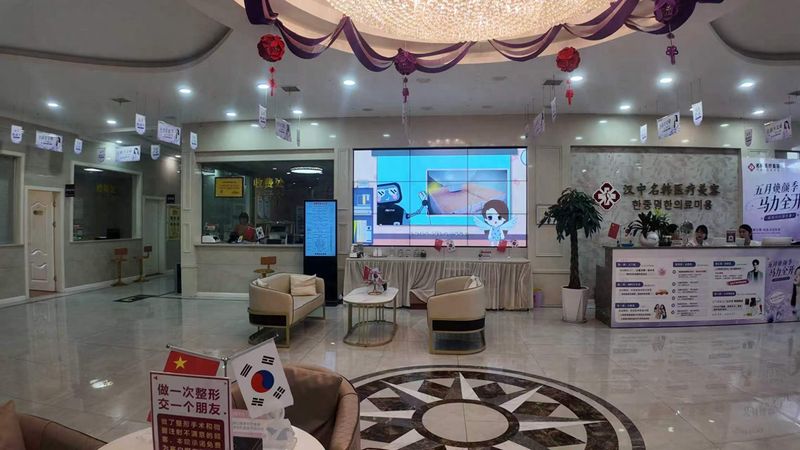
One or two starbucks, one box, and one box, haha, have gone up $6. . . .. The latest news of multiple brand increases has been circulated in twitter and friends. What's the real story
Media interviews revealed that us-style coffee, latte coffee, etc. In starbucks, did indeed have price increases of us$ 1-2 and some increases in other brands. However, prices have been more stable in the more popular market for meat。
On 17 february, the guangdong survey brigade of the national statistical office published a january price index showing that guangdong continued to supply vital public goods markets before the spring festival, and that consumer prices were generally stable: the consumer price index (cpi) increased by 1. 7 per cent and the ring ratio by 0. 5 per cent over the same period, while the price index for industrial producers rose by 4. 7 per cent over the same period, a decline of 0. 4 per cent。
“starbucks and other brands are more affected by international markets, and this price increase is mainly related to changes in global supply chains.” the institute of national development and strategic studies of the people's university of china has hired research fellows, mahang ma, to believe that consumer prices issued by statistical offices are more focused on basic necessities of everyday life, such as meat, food and oil, and that the smooth price of these commodities ensures that the vast majority of people's consumption and lives are not affected. Governments have the capacity and market confidence to guarantee stable prices for human commodities。
Price increases in fresh fruit and water products affected by spring holidays
In january prices, both cpi and ppi were significantly affected by spring holidays。
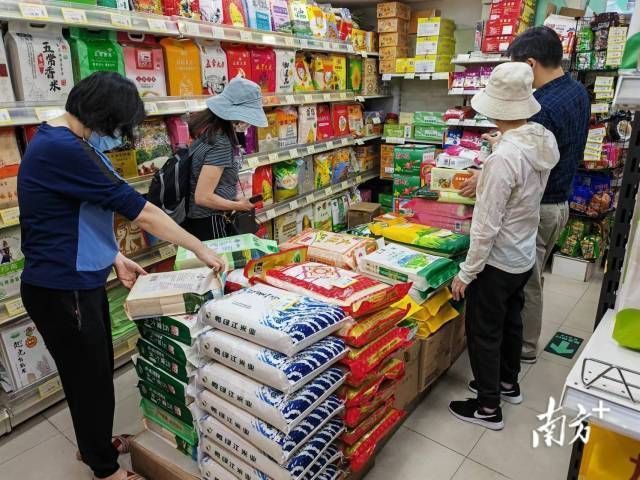
From the ring index, food prices in guangdong declined by 1. 1 per cent in december 2021 to 0. 4 per cent in january, with prices for fresh fruit rising by 5. 5 per cent and for aquatic products by 2. 9 per cent; prices for fresh vegetables falling by 2. 3 per cent. The prices of meat, meat and poultry are relatively stable, with the prices of pork, lamb and chicken falling by 0. 1 per cent, 0. 7 per cent and 0. 1 per cent, respectively。
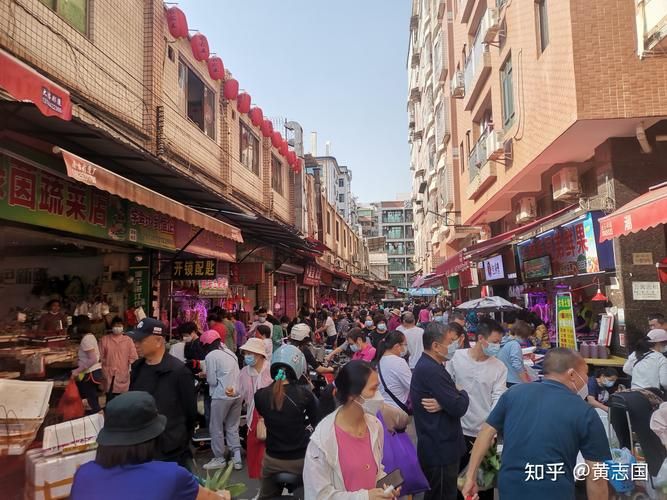
On 17 february, journalists visited part of the supermarkets in guangzhou and the meat market and found that the daily consumption of fresh food and daily goods by citizens was stable. Some of the fresh shop shopping platforms and businesses have also introduced multiple sales promotion products。
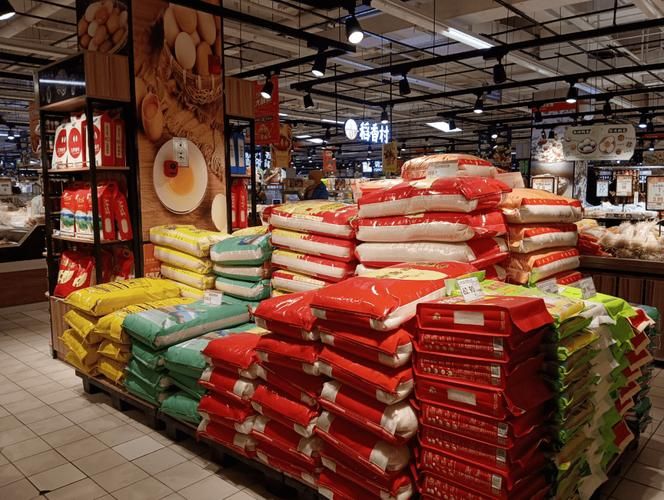
According to the gangnam fruit market, on 1-25 january, the total market volume of vegetables traded in gangnam was 202,000 tons, an increase of 0. 52 per cent over the same period and a decrease of 5. 13 per cent in the average transaction price. According to carrefour, prices of household food items are currently relatively stable, with small increases in some individual products。
“i often buy daily items from community groups, which sometimes have a return ticket, and recently have not increased the price of meat and vegetables.” uncle chen of guangzhou said。
According to mahang, price indices issued by statistical offices are the tracking of daily consumer prices in a basket of products, particularly in parts of the world such as pork, which have a larger share of the price, and for which the government has guaranteed stable prices, which can stabilize consumer prices at relatively low levels and ensure that daily life is not affected。
In terms of non-food prices, the ring ratio declined from 0. 2 per cent in december 2021 to 0. 5 per cent. Among them, the price of gasoline in guangdong increased by 2. 2 per cent in january, the price of liquefied petroleum gas by 2. 0 per cent and the price of platinum gold by 2. 8 per cent, owing to fluctuations in international crude oil and precious metals prices. As a result of the spring holidays, the cost of air tickets increased by 33. 7 per cent, the price of long-distance cars by 33. 3 per cent and the price of domestic services by 23. 4 per cent. The price of tablet computers, other mother-and-child products and water purification units fell by 7. 0 per cent, 5. 0 per cent and 4. 5 per cent, respectively。
On a year-by-year basis, the cpi increased by 1. 7 per cent and by 0. 1 percentage points from december 2021. Of this 1. 7 per cent increase on a year-on-year basis, the tail effect of last year's price changes was estimated to be approximately 1. 2 percentage points and the impact of new increases was estimated at about 0. 5 percentage points. The core cpi, net of food and energy prices, increased by 1. 9 per cent over the same period, by 0. 4 percentage points over december 2021。
Lower prices of coal steel, etc., drive back industrial prices drop
In january, lower prices in the guangdong coal and steel industries led to lower prices for industrial goods。
In terms of the ring index, the ppi is 0. 4 per cent lower than in december 2021. Among them, the price of productive resources fell by 0. 8 per cent, an increase of 0. 4 percentage points over december 2021。
“since this year, our country has stepped up its regulatory efforts in the areas of petrochemicalization, food reserves and energy and electricity, reducing the costs of friction in the functioning of the industry and increasing the efficient supply, which can play an important role in stabilizing the prices of industrial goods.” mahoney said that, in particular, channelling social capital into more industries would help to reduce production costs and support stable price reductions。
Prices in the 38 major categories surveyed by ppi increased by 5. 3 percentage points from december 2021 to 39. 5 per cent, up from “15 litres or 20 square points”。
From a sub-industry perspective, expert analysis suggests that the price of non-metal mineral products has continued to decline, albeit somewhat narrowly. In january, the gradual resumption of the supply of cement clinker, the phasing-out of construction near the spring season, the high level of cement stocks, affected a 13. 5 per cent fall in the price of cement manufacture and a 2. 5 per cent decline in the price of cement products; the second was the continued expansion of prices in some sectors, which contributed more to the negative growth of the ppi total index. Prices in the petrochemical-related industries fell by 1. 5 per cent in january; prices in the electricity, thermal production and supply industries decreased by 2. 0 per cent, by 1. 6 percentage points compared with december 2021; and costs for the procurement and production of liquid crystal screens decreased, affecting the manufacturing of computers, communications and other electronic equipment by 0. 5 per cent。
In comparison, there was a downward trend. In january, the ppi in guangdong rose by 4. 7 per cent, which was 0. 8 percentage points narrower than in december 2021。
The southern daily news reporter wang bao, aoi
Interns, huang kai
The correspondent's chime