At 2400 hours on 17 july 2026, the prices of domestic finished oils rose for the ninth time in the year. Filling up a box of 50 litres of petrol 92 would cost about $12. However, since the beginning of the year, oil prices have shown a pattern of “up and down” shocks, with the direct impact of single price increases on daily shuttle costs being limited. The real impact on spending is the long-term cumulative effect of oil price volatility that is transmitted through logistics, transport and so on to the entire consumption chain。
I. How oil prices affect daily travel costs
The impact of oil price adjustments on daily travel costs can be considered both in terms of direct refuelling costs and indirect travel-related consumption。
1. Direct refuelling costs: a limited one-time increase that cannot be ignored
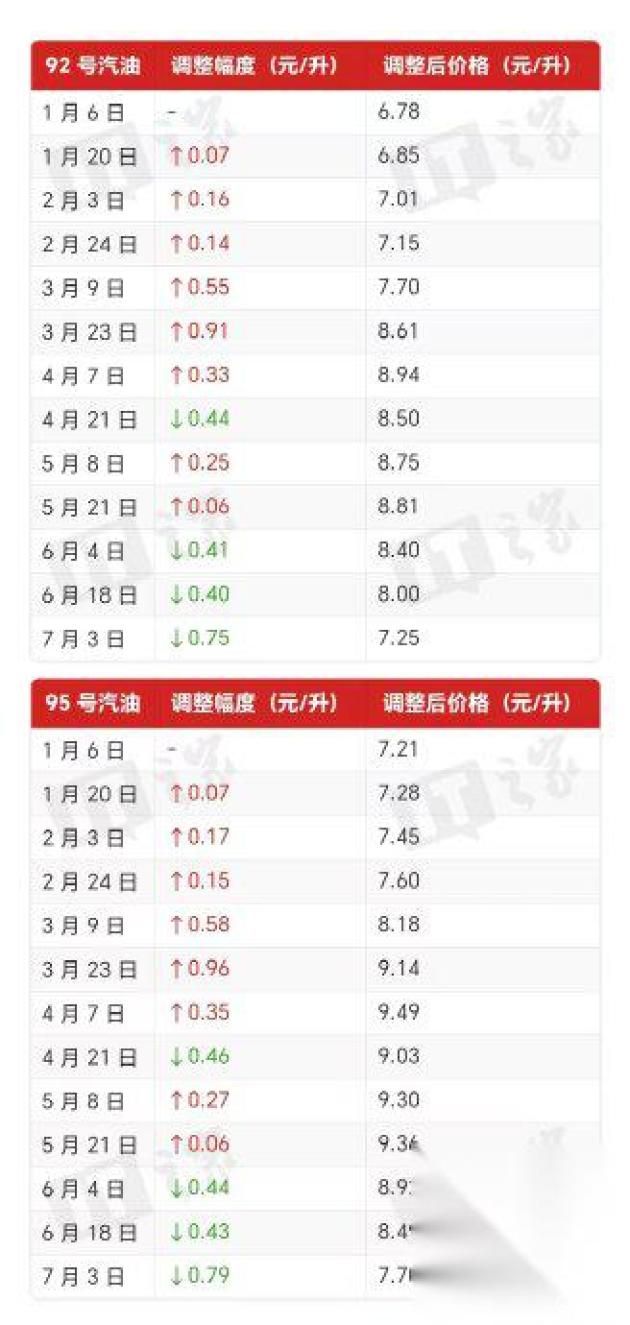
At 2400 hours on 17 july 2026, the domestic price of petrol was increased by $300 per ton, equivalent to an increase of 0. 24 per litre for petrol 92. Filling up a box of 50 litres of oil in private cars would cost about $12 more. Separately, the increase of $12 has had little impact on most commuters. However, oil prices have not risen in a one-way direction, such as the largest decline in domestic oil prices in the year ahead on 3 july, when diesel fuel was reduced by $950 per ton and $915 per ton, resulting in savings of approximately $36 per tank. Overall, oil prices show a pattern of “up and down” shocks throughout the year, with annual travel costs floating within hundreds of yuan per month, with a relatively manageable impact on household consumption budgets, measured by two or three refuellings per month。
Indirect travel costs: cost transfer chain in transport
Logistics transport: diesel fuel is the main fuel for trucks and freight vehicles, and higher oil prices directly increase the cost of road freight. For example, heavy trucks, which run 10,000 kilometres per month and consume 38 litres of fuel, will increase fuel costs for single vehicles by some $443 following the 17 july price increase。
Taxis and internet vehicles: the cost of fuel for operating vehicles increases, and some costs may be channelled to the passenger side through price adjustments or dynamic pricing。
Public transport: fuel costs for bus and long-distance transportation are relatively high, and continued high oil prices may drive adjustment。
Aviation travel: fuel costs account for more than 30 per cent of airline operating costs, and higher oil prices can drive airlines to raise fuel surcharges and indirectly increase travel expenses for passengers。
Ii. Overall transfer of daily living costs
1. Overall escalation of logistics costs
The transport of agricultural products is highly dependent on diesel trucks, and the rise in oil prices has led to higher freight costs, which eventually lead to market prices for vegetables. The cost of out-of-pocket distribution and courier services is equally affected by the volatility of oil prices, with possible adjustments in distribution fees or commodity prices。
2. Supply price correlation
Oil is not only a fuel but also a chemical material. Production of plastics, fibre-optic clothing, sunbursts, packaging, etc. Is linked to crude oil prices. Rising oil prices can drive the cost of these raw materials up and, in the long run, can be channelled to the retail side, raising the daily consumption expenditures of residents。
3. Food and catering industry
The production of fertilizers and pesticides is closely linked to petrochemicals, and rising oil prices may push up the cost of agricultural production. This, combined with increased transport costs, will eventually lead to food price volatility, indirectly affecting the budget for household out-of-home meals and fresh purchases。
Iii. Changes in travel habits and actual expenses
1. Some of the owners have voluntarily adjusted their travel patterns
In the face of oil price fluctuations, many drivers have begun to optimize their car usage: - short-distance travel to motor vehicles, public transport or subways to reduce the frequency of unnecessary driving. - increased emphasis on energy-efficient driving when driving, such as maintaining a flat pace, reducing the rapid speed of brakes and regularly clearing the trunks to ease loads. - focus on refuelling before the pricing window in order to save a single expense。
2. Impact of new energy vehicles on traditional travel cost patterns
The electricity cost per unit mile for electric cars is only about one fifth of the fuel fare, and the price of electricity is relatively stable and is not affected by frequent fluctuations in international oil prices. As the penetration rate of new energy vehicles rises, an increasing number of households circumvent the impact of rising oil prices on travel costs through “oil-to-power” transfers, which also objectively drive changes in the overall consumption structure。
3. More significant impact on hf oil population
Cybercars and freight drivers: each month is long, oil price fluctuations are directly related to their real income and are highly sensitive to cost changes。
Long-distance users: single trip oil costs are a larger proportion of total tourism expenditure, and rising oil prices discourage some of the needless long-distance travel needs。
Private drivers with long commuting distances: the frequency of monthly refuelling is high, the cumulative effect of oil prices is evident, and annual expenditure on oil fluctuates between hundreds and thousands of yuan。
Iv. Proposal for a travel strategy to address oil price volatility
The habit of focusing on a price-adjusted calendar is to fill the tank well in advance of the increase and to supplement it appropriately when it falls。
Daily urban commutes prioritize public transport or shared travel and reduce the frequency of private car use。
If driving is maintained, emphasis is placed on smooth driving, regular maintenance, rational use of air conditioning and reduction of 100 km of fuel consumption。
Households with a car change programme can choose between the long-term combined cost of the tanker and the tram, combining their own mileage。
Pre-planning of routes prior to long journeys, avoidance of congestion sections and use of navigational real-time road condition to save fuel and time。