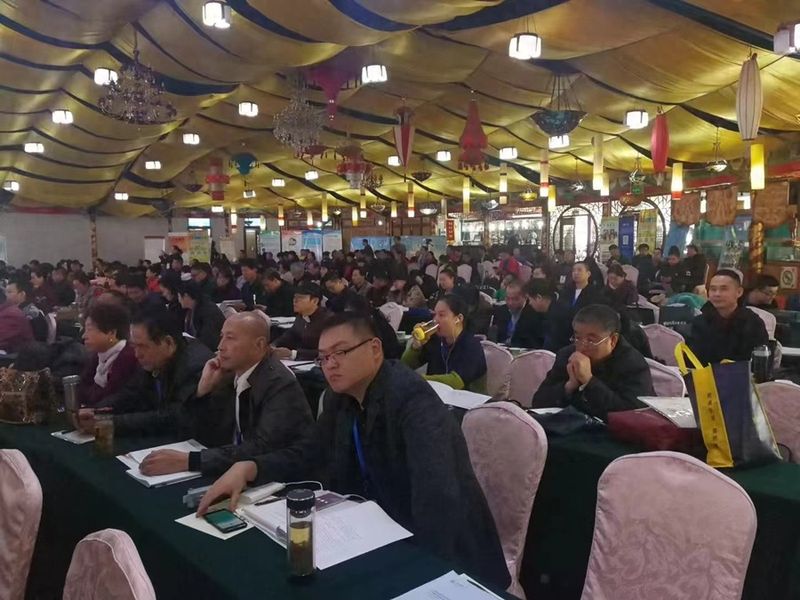
On 30 june 2026, 10 high irons in the west were officially opened and cr400bf-z smart renaissance crossed qin at 350 kilometres per hour. In the moment when it enters the station, you feel a soft nod -- but you don't know that behind it is a fine, astounding process of energy disposal done in milliseconds。
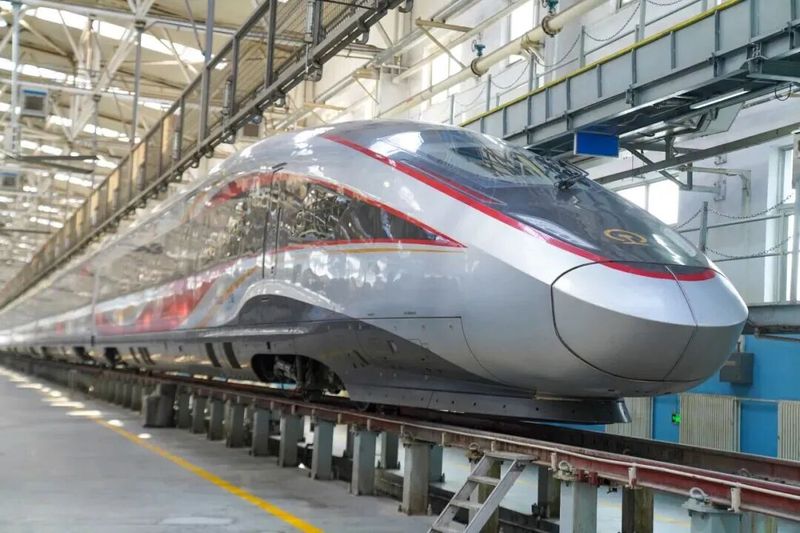
The smart renaissance train is parked in the workshop
A full load of the renaissance, at 350 km/hour, carrying about 2 billion joules of kinetic energy, was sufficient to burn 6 tons of water in an instant. If the mechanical brakes are stepped directly, the heat generated by friction will burn to thousands of degrees in an instant, leading to a “hot decline” of brakes and a collapse of power. It's not brakes, it's suicide damage。
Therefore, the high iron brake system must be like a relay race — different technologies do their job in different speed zones, do not rob, do not fall, and eventually do the parking in seamless coordination。
High-speed segment: regenerative brakes “front-line” to return kinetic energy back to the grid
When the driver issued a speed reduction order, 350 kilometres per hour in the train, the electric motor, which had been powered, turned into a giant generator. The wheel drives it, transforms the train's huge kinetic energy into electric energy and reverses it back to the grid by being given a bow — a regenerative brake。
In the region of 350 to 150 km, the total power of regenerative brakes **90 to 95 per cent**. At this point, the train's slowing process is actually “power generation”。
Even better: on a busy main line, the electricity that is sent back from a slow-moving high-speed train in one row is likely to be absorbed directly by another in the same electric arm, which has just stepped out of the station — a brake on one side and an acceleration on the other, a “zero-hour trade” in the power grid。
Medium-speed segment: electromagnetic vortex "strings", no contact magic
There is a natural grid for regenerative brakes: the lower the speed of cars, the slower the electrics turn, the weaker the power generation capacity, and the reduced power. By about 150 km/hour, the regenerative brakes began to be “absorbed from the heart”, and the electromagnetic vortex brakes logically took over the main power slowdown。
Remember a little physical experiment: throw a strong magnet into a copper pipe, it doesn't just fall, but it slows down like magic. This is the vortex effect - the magnetic motion senses a closed-coated current in the copper tube, and the magnetic field generated by the current in turn prevents the magnet movement。
The high iron electromagnetic vortex brakes are moving the principle to the bottom of the vehicle: the electromagnetic wires under the vehicle are close to the steel tracks without contact, using strong resistance between the magnetic field and the steel tracks to slow down。
In the 150 to 30 km range, it has assumed 60 to 80 per cent of total power.** as there was no mechanical contact, it was completely worn off and its performance was equally stable in rain and snow。
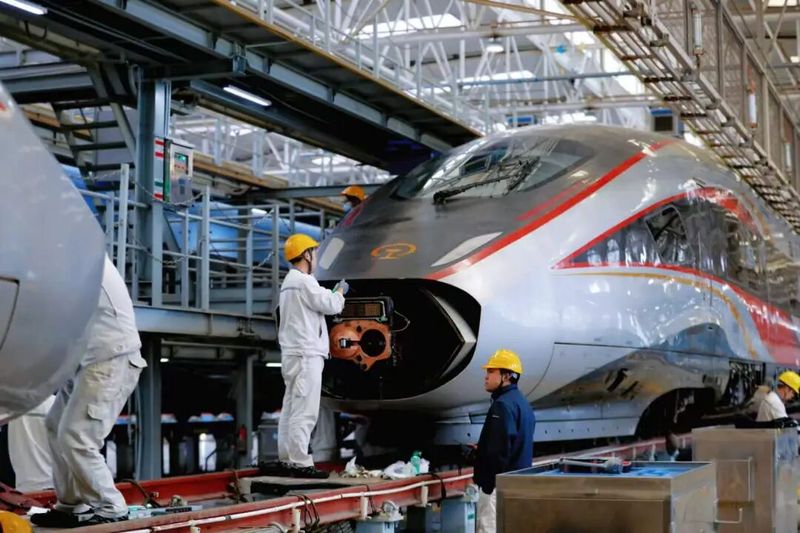
Checkers perform routine repairs to the renaissance train
Low-speed segment: mechanical brake “dash”, accurate parking completed
When the speed dropped below 30 kilometres, the efficiency of electromagnetic vortex brakes began to decline, and the mechanical brakes finally arrived. It does not rely on electricity, it does not rely on magnetism, it does so by the most primitive and reliable friction — the brake blades are attached to the brakes, and the last bit of kinetic energy is transferred to the heat。
Mechanical brakes carry 100 per cent precision parking power in 30 to 0 kilometres. Why? Because parking requires absolute precision — the door to the platform's landmark, the error cannot exceed a few dozen centimetres, which can only be done by mechanical brakes at a low speed。
A seamless "black box": millisecond command of the car's brain
How can the three technologies “turn sticks” without creating frustration? The answer is hidden in the car's central control unit。
This “brain” performs closed loop adjustments in a cycle of less than 10 milliseconds, collecting speeds in real time, total train weight, line slopes, remaining brake distance four core parameters, and calculating in an instant the power of each of the three brakes through a multi-constrained optimal distribution model。
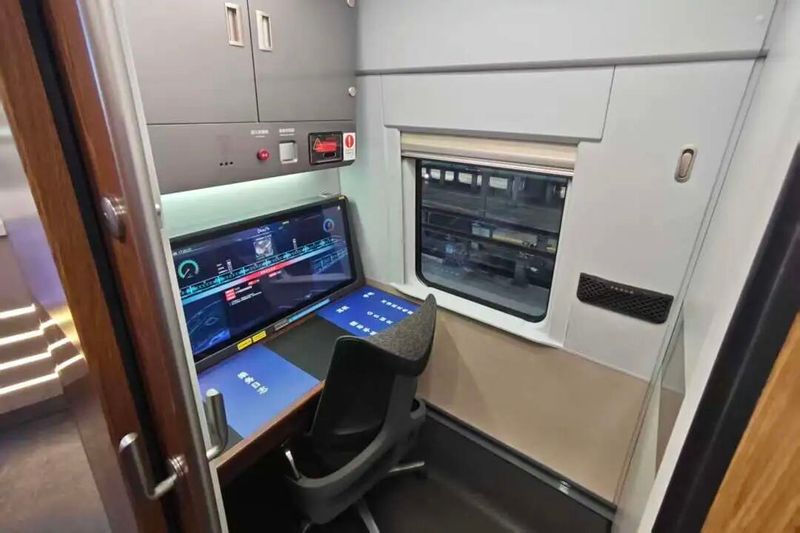
Operating workshop for the heavy vehicle load control unit
In the intersection area, it follows the logic of “one by one” — "a" in the event of a decrease in the linearity of the brake power, b in the synchronized linearity of the brake power, and the total reduction curve remains continuous and smooth. At the same time, the system has capped the rate of dynamic change for each brake to avoid a shock perception of sudden force changes。
How hard is the system working? The certification data from the iron institute show that the usual brake distance under standard conditions is between 370 and 420 metres, which is about 15 per cent shorter than the single air brake system, with the system operating for an average of more than 1 million kilometres without malfunction。
By 2026, this synergy mechanism had supported the safe operation of the national high iron network, which had accumulated over trillion kilometres, without major security incidents resulting from system failures。
Not just high iron: this logic is decentralising to cars
This stratification of "electrical brakes first, non-contact second, friction lids" has now become the dominant technological path for high-end smart new energy vehicles. For example, the boshi ipb integrated brake system, which combines regenerative brakes, liquid suppression, mechanical stationing, and motor vehicles, allows electric vehicles to recover as much kinetic energy as possible into batteries as they can when they slow down, while ensuring a sense of brake foot and safety redundancy。
High iron brakes are essentially a fine game of energy management. It tells us that the most efficient solution is often not to make one thing to the extreme, but to make many things work together in their “best spaces”. Next time you get into the station with the high iron, you'll have to watch out for the smoothness. That's the result of a 2 billion-journal kinetic energy perfected by a relay race。
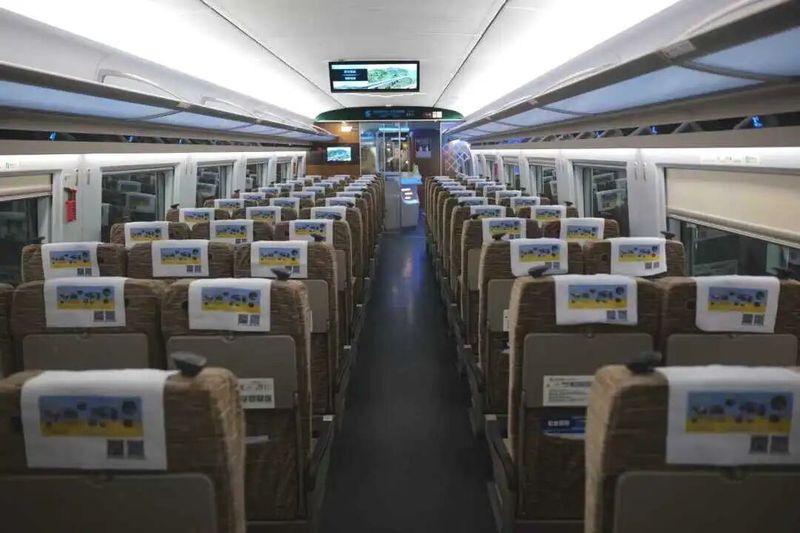
The interior layout of the high iron second car