In the recent past, the problem of high iron consumption has been of concern, with online rumours that “one kilometre of high iron in our country consumes 10,000 degrees of electricity”. Is this true? In response, the national iron group china institute of railway sciences responded。
Iron group:
Our high iron consumption is about 21. 4 degrees per km
At the chinese institute of railway sciences, the engineer gold showed journalists a set of data: on the high iron level of kyoto, four eight-wheeled motor vehicle fleets were tested for energy consumption, each of which travelled 2636 kilometres per hour at 350 kilometres per hour, with an average of 21. 6 degrees, 23. 5 degrees, 19. 5 degrees and 21. 1 degrees per kilometre, respectively. The web-based expression “one kilometre of electricity at 10,000 degrees” confuses the concepts of unit time and unit mileage and is not factually correct。
Deputy chief engineer, china institute of railroad sciences, motor vehicle research institute gold: the units that typically measure 10,000 degrees of electricity are more likely to refer to the weekly power of the wheel, most of which is in the range of 9,700 to 10,000 kilowatts. It is an understanding error to say that an hour is more than 9,000 degrees of electricity if it runs at more than 9,000 kilowatts, but that the train runs at more than 300 kilometres。
The experts told journalists that the industry generally uses two forms of expression for energy-consuming units operating high iron: a 100 km per person per kilowatt hour (kwh) on behalf of a train travelling 100 km at the same time as a passenger; and a one km unit per column per kilowatt hour on behalf of a one kilometre energy-consuming train. Our high iron train consumes approximately 21. 4 degrees per kilometre of electricity, which is comparable to that of other high-speed railways in the world。
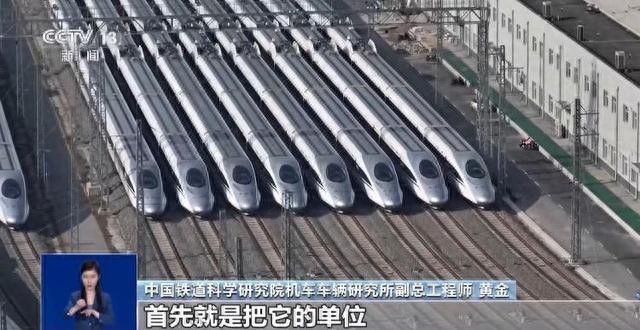
China institute of railroad sciences, research institute of motor vehicles, deputy chief engineer gold: when we analyze the energy consumption of motor vehicles, we start by pulling their units to a level and comparing them with a ruler. The energy consumption of our national motor fleet is essentially at the same level as that of our foreign motor fleet, and we are slightly better than their motor vehicles at the level of this train at 350 km speed。
High iron energy needs to be distinguished
Full power and constant speed
My country's claim that one kilometre of iron consumes 10,000 degrees of electricity is in fact a misunderstanding and confusion of concepts。
According to the national iron group response, one kilometre of high iron is running at about 21. 4 degrees. If, by unit time, high iron is running at full power for one hour, the amount of electricity consumed is indeed around 10,000 degrees, but here it is full power. The expert described the need not to maintain full power throughout the high-heat-speed operation, so that the one hour of electricity consumption in the country would hardly reach 10,000 degrees。
Gold: if the high iron is operating at 350 km constant, it does not use more than 9,000 kilowatts of power. It may only require 6,000 to 7,000 kilowatts of power, corresponding to motor vehicles, but also a power differential between full power and sustained speed. For example, a high iron power acceleration of one hour may indeed require more than 9,000 degrees of electricity, but if it runs at constant speed, it may run at only 6,000 to 7,000 degrees per hour。
Air resistance is a major factor in the energy consumption of the high train
How exactly did the energy consumption of the high train come from? We need to understand the principles of high iron。
According to the expert, the high-terrestrial train is driven mainly by electricity, and each train has an upward-extension electrical pick-up device called the electric bow. The electric bow is like a huge “plug” connecting the high voltage electrical network above the steel track. When the high-terrestrial train operates, the lifting of the electric bow allows the acquisition of electrical energy from the contact network, which leads to the rotation of the tractor installed in the high-terrestrial train and provides continuous power for the train。
According to the expert, although the power of the electric-driven high-terrestrial train is greater, air resistance remains the main factor influencing its energy consumption。
A variety of factors, such as air resistance, affect the energy consumption of the heavy train
Experts told journalists that, as the speed of the train grew faster, the effect of air resistance on the energy consumption of the train became more visible. During the acceleration process, the level of energy consumption of the train will increase。
Gold: energy consumption in high-speed vehicles is mainly due to energy consumption from overcoming air resistance. In physical terms, each high-speed train, if at the same speed level, must have a level of energy consumption on one order of magnitude。
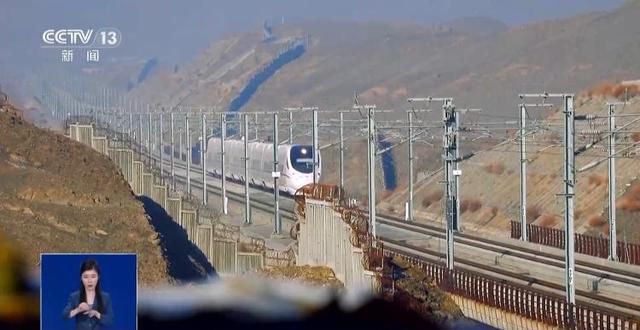
According to the experts, energy conversion efficiency also affects the energy consumption of the trains during their journey. The power transmission chain, consisting of equipment such as electric bows, tractors, etc., has a certain amount of wear and tear during the conversion of electrical energy from the exposure grid to mechanical energy, thus affecting the efficiency of the train's operation。
Multiple ways in which railways contribute to high iron precipitation
In fact, with the development of technology, the railway sector is constantly exploring ways to reduce energy consumption for high iron operations。
In order to facilitate the reduction of energy consumption in the high-terrestrial train, during the driving process, heavy-terrestrial drivers will switch between the different states of acceleration, deceleration and pacing in accordance with the dispatch instructions. The expert told the press that the speed-paced vehicles below were less powerful than the acceleration。
At the same time, during the course of the high-terrestrial brakes, vehicle brake technology will convert the mechanical capacity generated by the brakes into electrical feed back into the internet to help other trains in the same sector acquire electrical power. Using this dual-way flow of energy, the train effectively reduces energy consumption while travelling。
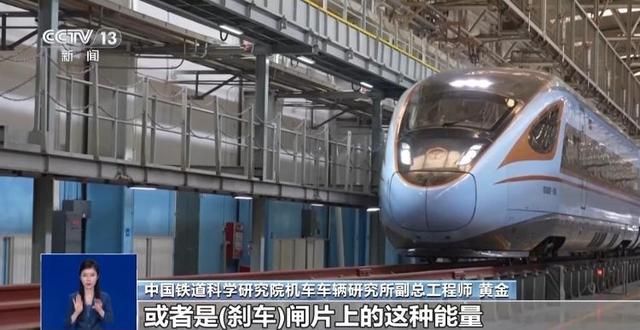
Gold: this energy that we can use to brake the high train should have been consumed on the brakes or brake brakes, by means of a transformer, by the path of the original electric power, and then back to the network of exposures to which the electricity comes。
The journalists interviewed learned that, in order to reduce the impact of air resistance during the high-speed operation of the train, it was designed using a flow-lined header and was treated in a sunken form of concealment of roof equipment。
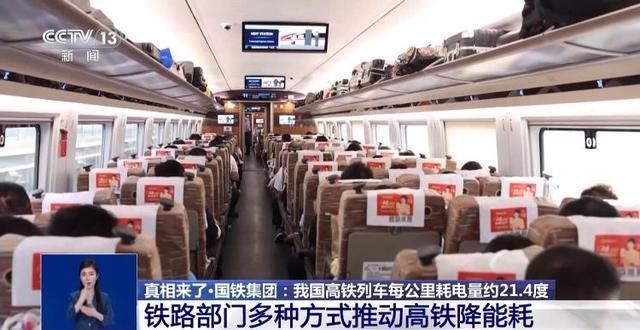
Not only is the aerodynamic design more in line with the aerodynamics, but the built-in equipment is also intelligent. High-terrestrial trains use energy-efficient equipment such as led lighting, variable-frequency air conditioning, which reacts to changes in the environment with intelligence and reduces energy consumption while bringing comfort to passengers。
Gold: the next step is to use big data and artificial intelligence to assist us in making some energy-consumption policy decisions, such as historical data on temperature and number of passengers, to make a comprehensive assessment of the energy consumption of such equipment for the purpose of refining energy use。
Efficient operation of scale
We've lost energy consumption in high iron units
To date, we have a total of more than 45,000 kilometres of high iron。
The experts indicated that the efficient operating model of a high-capacity train, with a team leader capable of transporting a large number of passengers at once, further enhanced overall efficiency by reducing energy consumption per unit of passengers. Statistics show that per capita high-terrestrial trains in china consume only 18 per cent of aircraft and about 50 per cent of buses。