Maintenance and conservation knowledge of equipment
Basic concepts for equipment maintenance
Major processes for equipment maintenance
Technologies and methods for equipment maintenance
Basic principles for the conservation of equipment
Main elements of equipment conservation
Attention to maintenance and maintenance of equipment
Contents
Basic concepts for equipment maintenance
01
02
It is designed to maintain the good working state of the equipment and improve its reliability and safety, thus ensuring the proper production and operation of the enterprise。
Maintenance of equipment means the total number of full-life management activities such as inspection, testing, repair, assembly, classification and recovery of equipment。
Major processes for equipment maintenance
Preliminary inspection
Run test
Professional diagnosis
Failed records
01
02
03
04
The equipment is inspected for apparent damage or anomalies。
A simple running test is performed on the equipment to check its functionality。
Detailed detection and diagnosis of equipment using specialized tools and software to determine fault locations and causes。
The diagnosis was recorded to inform subsequent maintenance work。
Information on failure, location and cause is recorded。
Record failure information
Record maintenance process
Recording of maintenance results
Record maintenance personnel information
Information on measures taken during maintenance, replacement parts etc. Is recorded。
Information on the operational status and test results of the equipment after maintenance is recorded。
The names and contact details of the persons involved in the maintenance are recorded。
Equipment is inspected according to the prescribed cycle to detect potential malfunctions at an early stage。
Periodic inspection
Maintenance and repair of equipment is performed on a regular basis in accordance with equipment usage and maintenance requirements。
Maintenance
For some vulnerable components, inspections and replacements are carried out on a regular basis to prevent equipment malfunctions。
Update widgets
A reasonable maintenance plan to ensure the proper operation of the equipment is established in the light of the actual condition of the equipment。
Development of maintenance plan
Technologies and methods for equipment maintenance
The equipment is regularly inspected for appearance, functionality and performance to ensure its proper functioning。
General inspections
Replacement of wear and tear
Cleaning and lubricants
(c) timely replacement of badly worn components of equipment, such as bearings, gears, etc., to maintain the performance and extend the useful life of the equipment。
Regular cleaning and lubrication of equipment, dust and dirt removal and smooth operation of equipment。
03
02
01
The equipment is thoroughly tested using specialized testing tools and instruments to identify potential problems。
Professional testing
(b) repair or replacement of damaged circuit boards, electronic components, etc. In the equipment to restore normal functioning of the equipment。
Repair of damage
Accurate adjustments and calibration of the parameters of the equipment to ensure optimal performance of the equipment。
Adjustment and calibration
Basic principles for the conservation of equipment
Periodic inspections are an important part of equipment maintenance, allowing for the timely detection of potential equipment problems and malfunctions, avoiding malfunctions in the operation of equipment and affecting productivity efficiency and safety。
Periodic inspections should be determined on the basis of factors such as the operational status of the equipment, the frequency of use and the maintenance history, and it is generally recommended that regular inspections be carried out on a monthly basis and comprehensive inspections be conducted on a quarterly basis。
In the event of failure or anomaly of equipment, it should be handled in a timely manner to avoid any escalation. At the same time, timely disposal can reduce wear and age and extend the useful life of equipment。
In the case of some critical malfunctions or serious problems, repairs should be performed in a timely manner to avoid greater losses and security incidents。
Scientific maintenance refers to the use of scientific methods and techniques for equipment conservation, including the periodic replacement of perishable items, cleaning equipment, adjusting equipment parameters, etc。
Scientific maintenance not only improves the efficiency and stability of the operation of the equipment, but also reduces the maintenance and production costs of the equipment. At the same time, scientific maintenance also requires the establishment of well-developed equipment maintenance archives to record the maintenance history and usage of the equipment and to inform its conservation and management。
Main elements of equipment conservation
The equipment is regularly cleaned, the equipment is kept clean and the damage to the equipment is prevented by dirt and dust。
Cleaning equipment
Select appropriate detergents and tools, such as wet cloths, cleaners, vacuum cleaners, etc., depending on the type and material of equipment, and be careful not to use highly irritant chemical cleaners。
Cleaning methods
Periodically check the performance indicators of the equipment, such as speed, accuracy, stability, etc., to ensure that the equipment works properly。
In the event of an anomaly in the performance of the equipment, it should be debugged in a timely manner to adjust the parameters of the equipment and restore it to normal operation。
Debug device
Check equipment performance
Replacement of worn parts
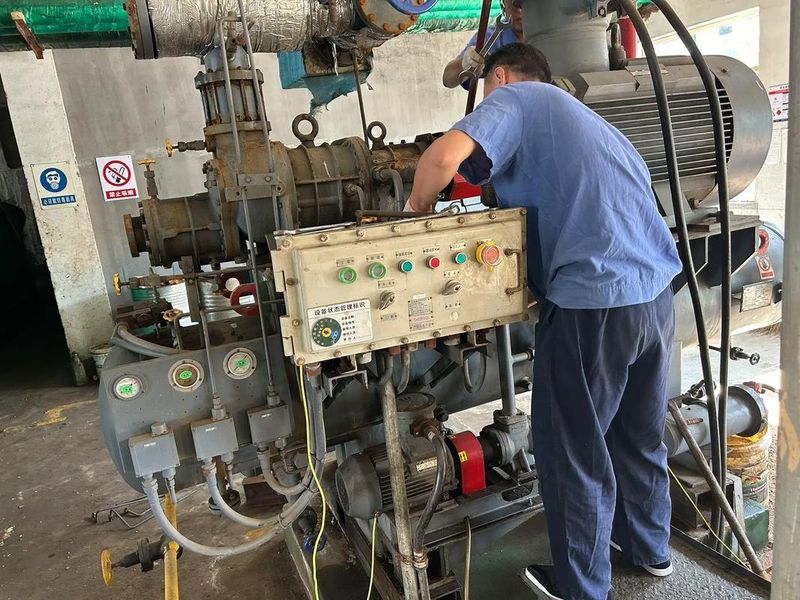
(b) periodically inspect items of equipment that are vulnerable, such as bearings, seals, chains, etc., and replace them in time for wear or tear。
Select the right widget
When replacing components, components matching the original equipment shall be selected to avoid any deterioration or damage to the performance of the equipment due to mismatches。
Lubrication equipment
Periodic lubrication in accordance with equipment requirements to ensure the proper functioning of the equipment。
Use appropriate lubricants
Select appropriate lubricants according to the type of equipment and lubricants requirements, and be careful not to use inappropriate lubricants to cause damage to equipment or accidents。
Attention to maintenance and maintenance of equipment
The security devices of the equipment are checked periodically to ensure their normal work and should be processed in a timely manner if anomalies are detected。
The power supply of the equipment or the associated energy supply should be shut down before the operation of maintenance and maintenance operations to ensure that the power is not available。
Ensure that equipment remains safe throughout maintenance and maintenance and follows safety protocols to prevent accidents。
03
Special equipment or high-risk equipment should be maintained and maintained by professionals with the appropriate qualifications and experience。
01
The maintenance and maintenance of equipment should be carried out by professionals and non-professionals should not be free to dismantle or repair equipment。
02
Professionals should have the appropriate skills and knowledge to be familiar with the structure, working principles and operating protocols of the equipment and be able to determine and process equipment malfunctions accurately。
01
02
03
Thanks for watching