"mom, why do you always get yellow in your ears? Did you bathe in water?"
Aunt chen, age 65, has recently been asked by her daughter - she has had a yellow and light flow from her right ear, sometimes with a bit of viscerality and a “steal” that she cannot say. First thought it was “a bath that wasn't clean” and then wiped its own cotton tags, the more liquid it was flowing, and then it started to hurt its ears, and it was hard to listen. When you go to the hospital, the ear, nose and throat doctor shakes his head: "this is not a simple `water in', it's a chronic sepsis combined with ear perforation, and it's likely that if you drag it down, even the balance will be affected, and walking will be easy!"
And as a producer of procreation and medical science, today we're going to tell everyone in big white: "what's the matter with old people's ears? What health problems are hidden behind them? What scientific treatment and prevention
I. “enter water” for older people
The omission is that there is an abnormal fluid coming out of the ear or in the ear, which may be pussy, bloody, bright or sticky. Older persons suffer from a slow deterioration of their ear structure and less immune capacity, as well as chronic diseases such as hypertension and diabetes, and the causes of ear leaks are much more complex than those of young people. Let's be clear:
Chronic sepsis: recurring symptoms
Our mid-heart is a small gap between the drumming and the inner ear. If we've had an acute infection before, such as a cold, a nose inflammation, it could turn chronic. The function of an old person's larvae (a tube connected to his nose and ear) is already degraded, and it is not possible to properly excrete the secretions inside, and, combined with reduced immunity, inflammation is always “disturbing” in the middle ear。
At this point, the membranes remain in a state of blood and inflammation, constantly seep fluids and become pussy ear leaks. Typical of this is the fact that the fluid flowing is yellow or yellow, stinking, and the ears are always clogged, and the hearing is like a layer of cloth, catching cold or water in the ear, and these symptoms are exacerbated。
Drum perforation: a hole in the “barrier” in the ear
The drum membrane is a semi-transparent membrane that protects between the outside and the middle ear. Old people whose ears are softened may have small holes in their drums if they have accidentally dug their ears or if they have previously experienced repeated ear inflammation。
As soon as the barrier is broken, trouble comes — tears, sweats, or puss in the ears of outside ears follow a small hole “squeaks” into the outer ear, forming an ear leak. This situation, which is generally low, may be characterized by a feeling of dazzling ears, but may be accompanied by “humming” ears, swallowing or yawning, and the sound of “slurping” overwater may be heard in the ears。
Ophthalmic rash/pea: skin “sensitized”
When older persons have less skin than when they are young, they are less excreted and less functional than the skin barrier. If they are exposed to allergens, such as metal earrings, cosmetics, they are vulnerable to rashes or contact skin。
At this point, the skin is inflammated, bleeding, and bright or light yellow liquids appear. Although running water is low and mainly wet, the skin around the ears may be red and itchy, and the more scratches, the more seepage。
Earring embolism co-infection: “waste” in the ear is blocked
The elderly have loose skins in their ears and can easily pile up their ears (i. E., their ears). When water is introduced in the shower, swimming, and the earbrush swells, it oppresses the skin of the outer ear, lengths the skin short of blood, and the bacteria tend to take advantage of their vanity, triggers infection and eventually creates a pussy ear leak。
This situation will cause severe pain, especially by pulling the aorta, which is more pronounced, and the doctors will use an endoscope to see black or brown pieces of earring stuck in it。
Conjunction: the problem of the chin is “compassed” with ears
There's a hook in front of the ear, called the crotch joint, which chews and talks. Older persons who lack their teeth, bite badly, or chew at the same time are prone to misappropriation or inflammation, pain is associated with their ears, and even irritating the glands in their ears, distilling abnormal liquids like lymph fluid。
Such ear leaks are minimal, liquids are bright and accompanied by chewing pain, small mouths are not open, and it is painful to press the joint in front of the ear。
Ii. The “three hidden hazards” of the older person's ears are missing: a delay would really be an “injury”
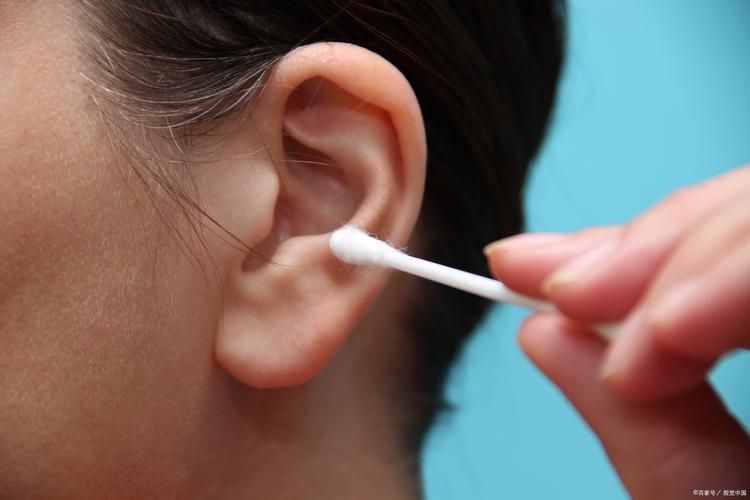
Short ears are a small problem, but older persons are physically weak and not dealt with in a timely manner, and the problem is likely to grow:
Hearing loss: careful “leave” to deaf
If chronic ear inflammation or drum perforation is not treated, inflammation may spread to inner ear snails and damage the hair cells in charge of hearing. Research has shown that the risk of hearing loss increases by half for older persons whose ears have been missing for more than three months
Balance barrier: risk of possible “leak” fall
The inner ear is not luminous but also balanced (i. E., the front court system). If mid-ear inflammation affects the inner ear, it can cause the front court to have problems, make you dizzy and walk unsustainably - the fact that older persons are prone to falling is undoubtedly compounded。
3. Artificial artery damage: even eating is difficult topic
If it is not corrected, it may develop into chronic arthritis, at which point the joint will ring, its mouth will remain open and it will be hard to eat. The digestive function of older persons is already weak and may be affected by physical nutrition。
Scientific response to the “five steps” of ear failure: from examination to treatment, less curved
First step: look at the missing “form” — this is an important clue
The color, the smell, the amount of it that's missing in our ears can help us judge why:
- supple liquids of yellow or yellow, mostly caused by ear inflammation, exorcism (bacteria infection)
- bright or light yellow visceral liquids, which may be ejected by an exterior rash, or seepage from the larvae joint
- blood-borne liquids that are sensitive to the perforation of the drums (possibly caused by trauma or inflammation) and that exclude mid-ear tumours (although rare but not general)
- if it stinks particularly, it could be chronic infections, such as dysentery。
Step 2: identify the causes of the disease — these three tests can be done
An ear failure cannot be guessed, but the cause must be determined through a professional examination. It is suggested that these be done first:
- an endoscope examination: direct access to inflammation, earring, perforation, blood or perforation of the drums
- pure sound monitoring: to see if the hearing has decreased, whether it is conductive or neurotic
- diagnosis of the hip: the doctor presses the joint in front of the ear to see if it hurts or doesn't sound or does not sound or does it。
In particular, friends over 60 years of age are encouraged to add neck vascular ultrasound (exclusion of ear leaks from vascular problems) and blood sugar, blood resin testing - diabetes patients are vulnerable to infection and high blood resin can exacerbate vascular damage。
Step 3: for the treatment of the causes of the disease — these conditions can be “root”
Chronic sepsis
- light: local oxyfluza droplets (two times a day) can be used in combination with oral antibiotics, such as head scrawl
- heavy (drum perforation): surgery may be required to repair the drum membrane (i. E., amplification) in order to avoid repeated infections。
Drum piercing
- small piercings (less than 3 mm): keep the ears dry (do not enter the water) and grow themselves in many cases
- large piercing: surgically repaired, possibly with artificial drumming, or with a bone transplant。
Herpes/pesitis
- be careful not to scratch, otherwise it can spread
- hormonal ointment, such as dinard emulsions, may be used in part, while oral anti-groupamines, such as chlorrels
- allergy friends, looking for allergens, like metal earrings, cosmetics。
Ear embolism co-infection
- don't take it yourself! It can be softened with sodium carbonate drips (three times a day, three days in a row) and then cleaned with a seductor, safe and painless doctor
- if it's already infected, we have to control the inflammation and clean the earring。
It's an artery
- don't always chew while yawning. Don't open your mouth
- put hot towels on the joints before their ears every day for 15 minutes and twice a day
- if it's serious, you'll have to go to oral correction, like wearing a bite pad。
Step 4: mitigating symptoms - these methods can “reduce the flow”
- clean ear tracts: light-wielding of external ear tracts with a medical tampons (not stretching) once a day, with less frequent stimulation
- maintaining dryness: washing hair, bathing, blowing out of ears by 20 centimetres or more in the cold of a blower and drying out of the ear
- painkilling: if it hurts badly, it can be short-term in the form of a brofen or acetaminophenol (note: friends with stomach ulcer need to be careful)。
Step 5: daily protection — these habits can “reduce the risk of leakage”
- clean-up of ears: every month with a medical tampons rubbing the outside ear and not with a fingernail or metal, which can hurt the skin
- control of chronic diseases: diabetes mellitus, hypertensive patients are subject to strict control of blood sugar (preferably less than 7 mmol/l), blood pressure (preferably less than 140/90 mmhg), which reduces the risk of vascular and neurological damage
- adjustment of chewing habits: when teeth are missing, they must be placed in a timely fashion and do not always chew
- waterproofing of ear tracts: friends who swim, bathe with ear plugs, especially perforated drums
- increased immunity: more vitamin c-rich food, such as citrus and monkeys, a moderate walk, a punch in tai chi, a healthy body and a small ear。
Iv. Real cases: how did they seriously find
Case 1: an ear leak caused by chronic ear disease, which was “completely healed” after surgery
The 70-year-old wang lost two months of septic fluid in his right ear, and his hearing was getting worse. The medical examination found that he had a large perforation of his drum membrane and combined chronic sepsis. Upon completion of the examination, he was given a “drum styling”, which was reviewed for one month, and his ears were closed and his hearing restored to normal levels. The doctor said, "the perforation of the drum is the "source" of an ear leak, and the problem is solved at the root!"
Case 2: co-infection with an eardrum rash, which regulates “no more seepage” after medication
The 65-year-old aunt li's ears flow yellow liquids, which are particularly itchy, and wipes themselves with alcohol, which makes them worse. The doctor confirmed that it was “a combination of bacterial infections of the exterior earweed rash” and that she:
- local on-the-ground subterranean cream, combined with oral chlorine
- don't scratch, keep your ears dry。
Two weeks later, there was a significant reduction in ear omissions and a full recovery in a month. The doctor warned, "the rash has to be treated with allergies and infections, and it's only getting worse with its own medication."
Summary
The omission is not “an old disease that should be tolerated”, but a “health alert” issued by the body. It may be caused by infections, structural degradation, chronic diseases or allergies, affecting not only hearing, balancing functions, but also the quality of life。
Remember that:
- an ear leak does not mean access to water, and early detection and intervention are necessary to “go to root”
- long-term management of chronic ear leaks, such as control of blood sugar and adjustment of chewing habits
- don't pull your own ears. Keep your ears dry. It'll significantly reduce the risk of ear leaks。
If there's an old man in the house, it's no big deal. Go to the hospital in time