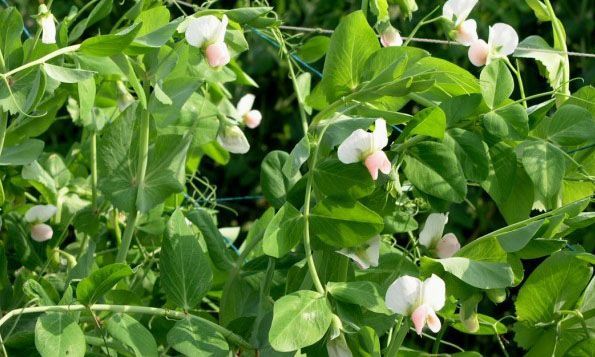
Dutch beans are grown more in shanghai, zhejiang, yunnan and guangdong, and have been grown in small quantities in the north over the years, but they have not grown as well as in the south. In the north, soybeans are grown in large sheds and in the south in open areas. The northern sheds generally started planting early in may and in may during the harvest of dutch beans, depending on the growth of the plant. Dutch beans are soft and sweet, both for adults and for children. Dutch beans seed is more likely to germinate, usually growing into seedlings four to six days after planting。

I. Environmental conditions appropriate for the growth of dutch beans
Dutch beans are not very cold, warm and wet, growing at an appropriate temperature of 16-23°c and above 25°c to the detriment of flowering curds; wet air conditions and sufficient moisture are more stringent for humidity and are required throughout the life cycle; and humid and fertile micro-acid soils。
Ii. How can dutch beans grow so fast
Time of seeding: netherlands soybean seeds germinate at a suitable temperature of 15-18°c, and the field in the south is usually planted in spring and autumn, in march and in september。
Absorption: some dutch beans are round seeds, which are relatively easy to sow water, and can be seeded with dry seeds, but also wrinkled seeds, which require pre-plant leaching, usually 10 to 12 hours of normal temperature。
Seeding: before sowing, seeds of large, clean and insect-free seed are selected for seed planting, with two to three days of sunbath first, with an appropriate amount of clean water mixed with 0. 3 per cent seed weight of polyglycerin powder, followed by 18-24 h seeding. Before sowing, the bottom water, 2-4 seeds per cave, then dry soil, covering membranes, was planted in about two to three days, and the seeding period was generally dry and unwatered。
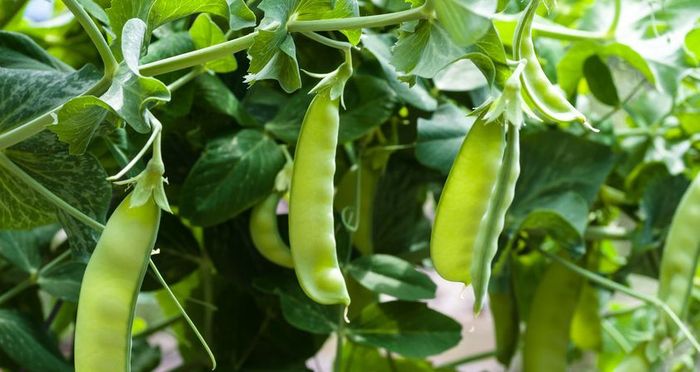
Iii. Daily management of dutch beans
Not only are the beans netherlands alone, but also other vegetables are managed in a rational and scientific manner in their planting. Our goal is three, first, to have high yields, i. E., to have a high rate of condensation in order to prevent falling flowers; secondly, to prevent the premature decay of plants and to keep them strong; and thirdly, to combat pests and diseases。
Based on these three objectives, our daily management has three dimensions:
1. In the area of water fattening: dutch beans are grown with bottom fattening and ground water so that they are soaked that they do not water until before the revelation, which is followed once and 15 kg of compound fertilizer per acre. The dutch soybean acupuncture marks the beginning of the flowering season, requiring wetter air conditions and adequate soil moisture, with adequate water fertilizer supply, usually followed up once every 10-15 days with a combination of 10-15 kg of nitrogen, phosphorus, potassium per acre, or 10-15 kg of soybean bean bean bean bean bean bean for exclusive application。
The whole chicken: dutch beans are generally grown in chicken, and when the plant grows to 30 cm, it is made of a stand or a rope. The fact that dutch beans are too many to entangle themselves requires that we often tie chickens in our day-to-day management, and that dutch beans grow more or less daily, when they are bad. When the chickens grow up to 15 to 16 knots, the sun is chosen to provide a heartbreak。
3. Pest and pest control: dutch beans are mainly rusty, frost, powdery and viral; pests are mainly leaf flies and aphids. These pests are not very difficult to combat, but we cannot relax our vigilance, even if they do not occur, by spraying 100 or esters per week to prevent them, or by targeting them when they occur。
Collection: dutch beans are generally collected 8-10 days after flowering, and must be timely if they are not fibrogenic, affecting the taste, and bean bean is produced in time to feed the juvenile。
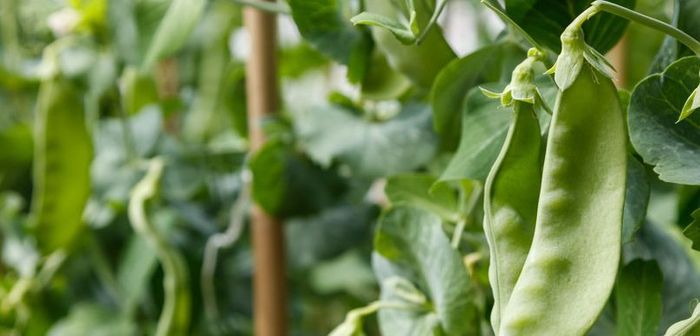
Iv. Common problems during cultivation
What if you don't have flowers
It is likely that the non-flowering of the beans is due to the growth of the plants, which are generally based on direct dens and no transplantation. Because of this method, the plants are not cut through the roots and are flourishing, it is important to control the nutrient growth and proper seedlings before they come out and grow. When the lower part of the bean is condensed, the upper part of the bean is flowered to mark the beginning of the bean's term, so that the soil is dry and wet, and the water is smaller each time。
What about the yellow leaves