Quantification, which has the potential to alter various fields, including material science, drug discovery and artificial intelligence, has attracted widespread interest in the media, science and the professional community. Given the far-reaching implications of quantum computing for future technologies, an understanding of quantum computing is essential for everyone who wants to be kept informed of the next significant progress in the field of computing。
This paper will describe quantum calculations. We will explore the core principles that distinguish us from the classical calculations, the overlaps and entanglements that underpin them, and finally the potential applications that drive this area forward。

What's quantum calculations
Quantum computing uses quantum mechanics to perform the calculation. This form of calculation uses the concepts of superimposed and tangled treatment of information expressed by quantum bits or quantum bits。
Unlike binary bits, which are clearly 0 or 1 in the classical calculation, quantum bits can be present in multiple states at the same time, thus allowing quantum computers to handle possibilities in parallel. This unique approach enables quantum computers to solve complex problems more effectively than traditional computers, especially those involving large data sets or requiring high computing speed, for example in cryptography or complex simulations。
Quantum calculation principles
Quantum computing uses quantum mechanics to process information in ways that were previously unimaginable. The following are the three core principles underpinning this technology:
Overlay
The principle of supercharge is the core of quantum mechanics and quantum calculations, which allows quantum bits to occupy multiple states at the same time (0 and 1). This is in stark contrast to the classics, which must be 0 or 1. The principle reflects the wave-like dichotomy in quantum mechanics, where particles exhibit both wave and particle-like properties. In quantum calculations, quantum bits maintain all possible states prior to measurement。
The overlap enables quantum computers to deal with multiple possibilities simultaneously, thereby significantly increasing the speed and capacity of calculations。
Entanglement
Entanglement is an essential aspect of quantum mechanics used in quantum calculations. In this phenomenon, the state of a quantum bit (whether 0 or 1) becomes dependent on the state of another quantum bit, regardless of the distance between them。
Quantum entanglement can achieve instant and complex interconnections across multiple quantum bits, thus achieving parallel treatment levels that traditional systems cannot achieve. As a result, entanglement has significantly increased the efficiency and speed with which quantum information is processed。
Quantum interference
Quantum computers use quantum interferometry to optimize the probability of obtaining the most likely answers in quantum bits. By adjusting the quantum bit phase, this mechanism amplifies constructive interference (which increases the likelihood of the correct route) and minimizes dissociation (which eliminates the unlikely result)。
This process reflects the mode of intervention in quantum mechanics, in which multiple wave functions overlap and determine the probability of particle position and state。

Quantum computer component
Because of the unique components required to process quantum information, the structure of quantum computers is very different from that of traditional computers。
Quantum bit
Quantum bits are the basic elements of quantum information, and their properties vary according to the physical system used to create quantum bits. The various types of quantum bits are described in detail below:
The choice of quantum bit technology is a key decision that directly affects the stability, timing and speed of operation of quantum computers. In turn, this has far-reaching implications for the performance of computers and their applicability to various applications。
Quantum gate
Similar to the classic logical door used by bit to perform logical calculations, quantum doors operate on quantum bits by using the equivalent quantum mechanics characteristics of superimposed and tangled. The operation performed by the quantum door consists of the rotation of the quantum bit (which alters their probability of being measured in a given state) and the tangle of the quantum bit (which connects their properties so that the state of one (whether it exists in 0, 1 or at the same time) depends on the other state。
These doors are essential for the operation of the quantum data required for complex calculations, which are impractical for classic computers。
Quantum circuit
Quantum circuits are a series of interconnected doors organized to achieve quantum algorithms. Circuits are designed in sequence or in parallel, depending on the particular task of calculation. The design and complexity of quantum circuits is crucial, as they require the accurate and effective implementation of multiple quantum phenomena. Appropriate circuit design ensures that quantum calculations are performed in the right order and with the necessary precision to achieve the desired results, thereby maximizing the computational capacity of quantum processors。
Quantum processor
Quantum processors are the core components of quantum calculations. It executes algorithms through quantum circuits and coordinates complex interactions between quantum bits through quantum doors. The performance of the processor depends to a large extent on its ability to maintain the quantum interconnectivity between quantum bits during its operation and to minimize the dissociation that would destroy the quantum state。
Effective quantum processors manage these challenges through complex designs that optimize the physical layout of quantum bits and the operational dynamics of quantum doors and circuits。
How do quantum computers work
Below is a step-by-step breakdown of quantum computer principles。
Encoding problems to quantum bits medium
Quantum computers start operations by coding specific questions to their quantum bit status. This code is the first step in preparing a quantum computer for processing information。
2. Operation of quantum bits with quantum doors
When the problem is coded, calculations continue by manipulating the quantum bits in the quantum circuit. This involves the use of quantum doors, which operate on the basis of superimposed, tangled and interferogenic quantum principles。
Steering results
As calculations proceed, quantum interference is strategically applied to channel results to the most possible correct answers. This process involves precise adjustments to the quantum bit phase to effectively control interference patterns。
4. Measurement and folding of quantum bits
The final step in the quantum calculation process involves several operations:
5. Maintain quantum correlation
Throughout the process, it is essential to maintain the quantum of quantum bits without loss of their quantum properties (referred to as the issue of back-to-back linkages). The relative relevance must be minimized to maintain the completeness and accuracy of quantum calculations. In addition, as the number of quantum bits increases, maintaining a sufficiently low error rate for practical applications becomes increasingly challenging. This aspect of quantum computing is a key focus of ongoing research, as the objective of scientists is to effectively expand quantum technology while managing back-to-back and error。
Quantum technology type
Quantum computing techniques vary depending on the physical achievement of quantum bits, each with its own unique characteristics and challenges。
Superconductive quantum computers
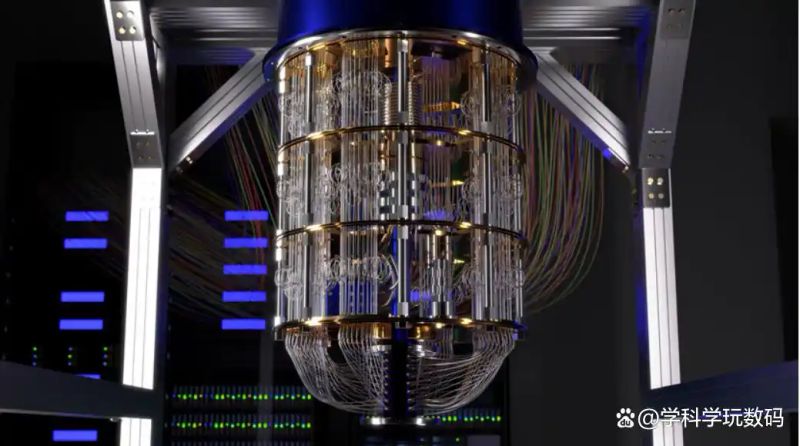
Superconductive quantum computers are one of the most widely used types today, using superconductive circuits as quantum bits. The circuit must cool to near absolute zero temperatures to achieve superconductivity, eliminate resistance and allow quantum effects to dominate。
This type of quantum computer is favoured by its relative ease of integration with existing electronic technologies and the speed at which it can operate the quantum door。
Locking in ion quantum computers
Incarcerated ion quantum computers use ion (with electric atoms) as quantum bits. The ion is caught in a vacuum room using an electromagnetic field and operated with precision laser beams. The imprisonment of ion quantum computers is well known for their long, relevant time and high security calculations, which makes them very accurate in quantum calculations. However, owing to the complexity of managing multiple ion and laser systems simultaneously, extending these systems to more quantum bits poses major engineering challenges。
Popping quantum computers
To a large extent, quantum computers are still at the research stage, using random particles (a quasi-particle) as quantum bits. Unlike other quantum bit types, anyon does not fit the normal philatelic or botanical category and has attributes that are shown only in two dimensions。
The main advantage of expanding quantum computers is their theoretical resistance to fault. Quantum information is stored in particle pivot status, which is less sensitive to external interference than is used in other quantum systems. This flexibility may lead to more stable quantum computers, but the actual realization and operation of any element remains challenging。
Quantum point and light quantum computer
Quantum dots are nanoscale semiconductor particles whose electron state can be used as quantum bits. On the other hand, photovoltaic computers use photons to carry quantum information. Both types benefit from the potential to integrate into existing semiconductor and photon technologies, which can achieve easier scalability。
As they interact with light, these systems are particularly promising in developing quantum networks and communication technologies。
Use cases for quantum calculations
Quantum supercomputers are mainly used in research and development. However, they have transformative potential in many industries。
Quantum count challenge
While quantum computers have great potential, they are not ready for widespread commercial use. They have not yet reached the so-called “quantitative advantage” where quantum computers can solve real problems better or faster than classic computers。
The following challenges affect the reliability and scalability of quantum computers: