The tariff rate for imported cosmetics is not a fixed value but varies according to the specific type of cosmetics. The following are tariff rates on imports of some common types of cosmetics:
Common tariffs for cosmetics and eye cosmetics are 150 per cent and for mfn 10 per cent, plus 17 per cent vat and 30 per cent excise tax。

The average tariff rate for finger (toy) cosmetics is 150 per cent, the mfn rate is 15 per cent, and there are 17 per cent vat and 30 per cent excise taxes。
For other types of cosmetics, the average tariff rate is 150 per cent, while the mfn import tariff rates vary between 6. 5 per cent and 15 per cent according to specific categories。
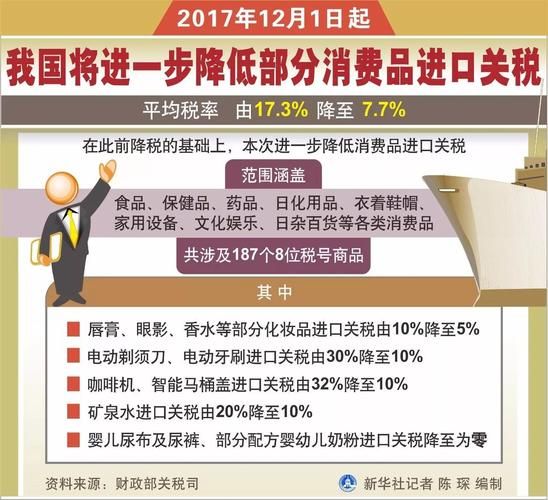
It is important to note that, in addition to tariffs, imports of cosmetics may involve other taxes and duties, such as vat and excise taxes. The specific amounts of these taxes will vary according to the type of cosmetics, their value and the relevant legislation of the importing country。
In addition, tax rates may be different in the case of individual post clearance or clearance by cross-border electric operators. For example, when cosmetics are determined to be common cosmetics based on declared prices, the postage rate may be reduced by 30 per cent from 60 per cent to 60 per cent from the original postage tax rate, while at the time of clearance by a cross-border electrician, the rate may be lowered from 47 per cent to 11. 9 per cent or 26. 37 per cent from the original cross-border tax rate, depending on whether the declared price of cosmetics is determined to be high-grade cosmetics。
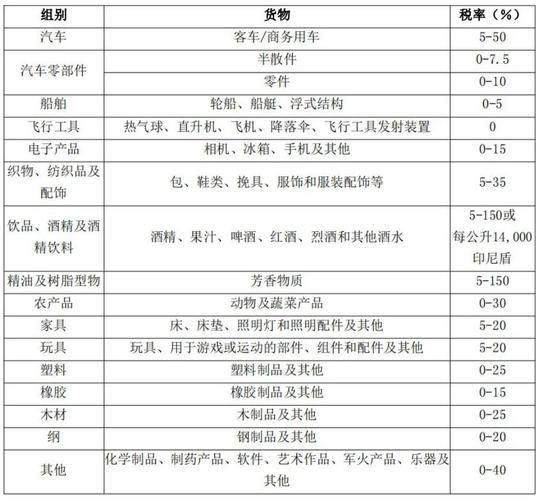
In general, tariff rates for imported cosmetics are affected by a number of factors, including the type of cosmetics, the manner in which they are imported and the related tax agreements. It is therefore recommended that prior to operationalization, detailed information be provided on relevant legislation and tax policies and that professional tax consultants or lawyers be consulted to ensure compliance。
It should be noted that the above is for information purposes only and does not constitute professional taxation or legal advice. If you have any doubts or need further assistance, consult a professional tax adviser or lawyer。