More than 70 years ago, ice peaks submitted a stock call to each other or would become the “first share of domestic production”. Before that, the arctic soda was also listed. Why are the years of silent domestic soda on the market? What is the status of industry development
The "national tide" is on the rise
A video of the book of the books
At the end of the street in shaanxi, san qin foods such as cold skin, meat clamps and ice cream are often seen, not only as the daily favorites of locals, but also as one of the projects in which tourists from abroad come to shaanxi and have to play cards。
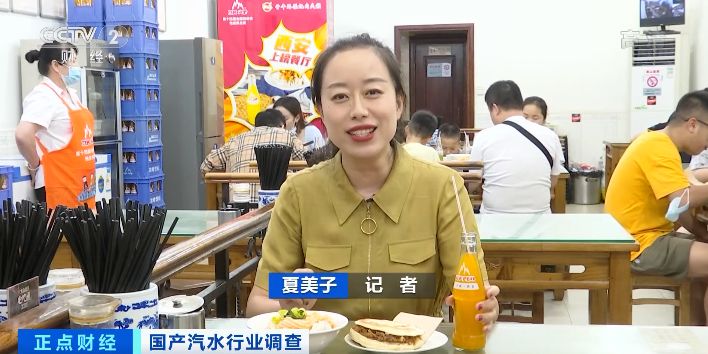
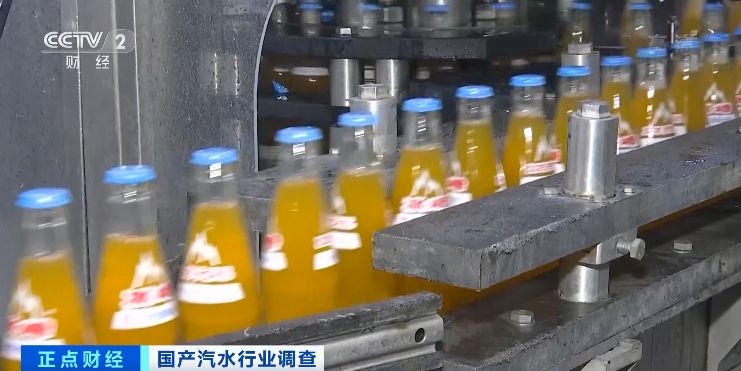
Ice peaks can be said to have been accompanied by generations of growth memories. At the national level, since the 1990s, such as the arctic ocean, coca-cola, chengdu's emerald snow, wuhan ii's soda, and so on, these national sodas have recovered after years of sinking。
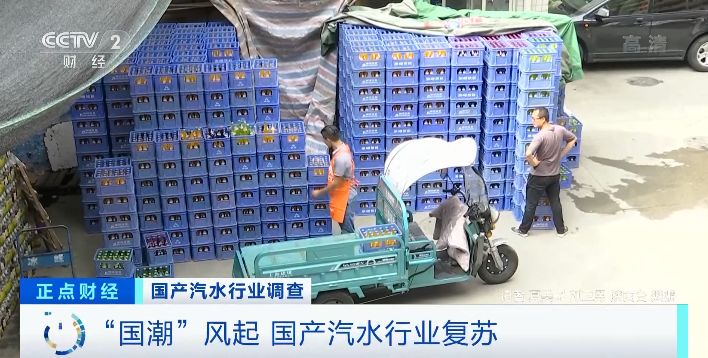
Sin jyung was the first drink dealer in the city of sian, and for 37 years hundreds of millions of bottles were sold through his hands, telling reporters that he had sold 5,000 boxes of domestic soda a day in the 1990s. Subsequently, a large number of foreign brands entered, competition in the market intensified and domestic capital sales declined. In the last two years, the sale of domestic soda has begun to pick up gradually in more than a dozen of his agency's brands。
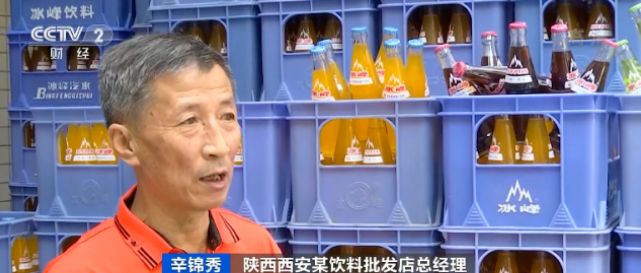
General manager of a beverage wholesaler in xin jin-soo: every year from april to the end of september, the national day is a season of high sales, and now, if it is the hottest season, hundreds of boxes are sold a day。
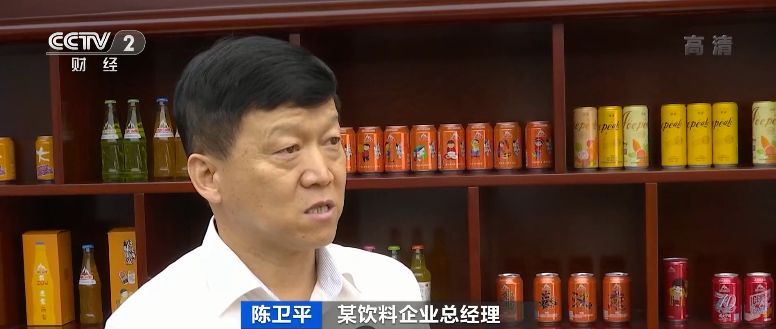
Chen weiping, general manager of a beverage enterprise: the growth rate of domestic soda, including domestic beverages, is significant and exceeds that of the same industry each year. Our beverage sales should grow by more than 40 per cent this year, and the expansion of out-of-court markets in the first half of the year should be over 80 per cent。
Many domestic sodas have increased in sales for almost two years. Data from the forward industrial research institute show that domestic production of carbonated beverages reached 18,453,000 tons in 2019, an increase of 5. 8 per cent over the same period, ending years of non-growth; in 2020, production reached 19713,000 tons, an increase of 6. 8 per cent over the same period. According to industry sources, the domestic soda sector is recovering from the tide of the country and the trend towards non-smelting, diversified consumption。
New speed on the domestic soda. Industry innovation is challenging
A video of the book of the books
Since the 1990s, when domestic soda has gone from glory to silence, can these old brands, after decades, capture the hearts of young consumers, and what is the current trend in the consumption of soda
In a supermarket in the southern mountains of shenzhen city, journalists learned that, in the past, the most prominent places in the beverage area had been occupied by foreign soda products, but that there were now many images of domestic soda. According to industry sources, in the past two years, some of the lost soda brands have returned, while new brands are growing rapidly, with products without sugar and unique tastes attracting considerable consumer attention。
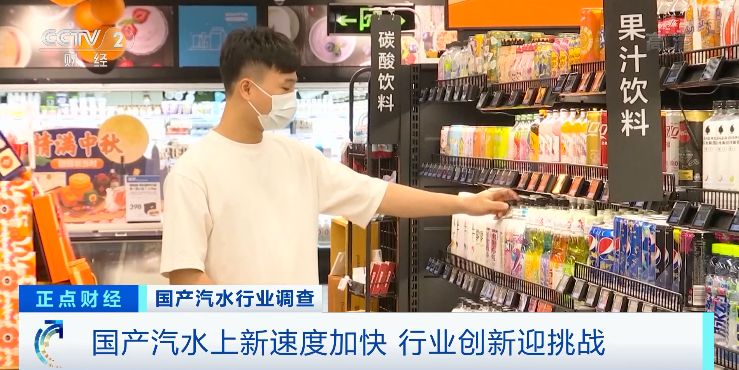
For domestic soda companies, the most important thing now is perhaps how to capture the personal needs of young consumers, innovate from product to marketing patterns, and quickly open up markets as a result of a decades-old recipe。
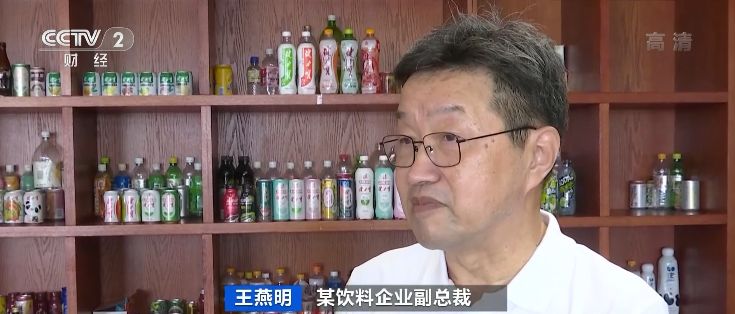
Wang yan ming, vice president of a beverage company: we used to be mostly merchants, waiting for dealers to pick up, and we didn't have to be very quick with new products. It's about four or five more mature products a year. This was unmatched in the past, and now we have accelerated the pace of product development because markets are changing dramatically。
New products, markets and foreign brands are increasing the frequency of new domestic sodas. In the social media, the heat of discussion on the national tide has also been rising. Industry has expressed the view that the taste of innovation and the social attributes of packaging design help to trigger the topic and promote a new development of the industry。
It's better to report on the soft drinks
A video of the book of the books
The rise of new consumption trends offers an opportunity for the recovery of domestically produced soda, so how much is the market share of domestically produced soda and how much room for future development
As can be seen from the semi-annual paper on combing publicly traded companies, the soft drinks industry has generally performed better in the medium term, with most enterprises growing over the previous year. In addition, the whole beverage industry has shown a marked warming trend compared to the previous year. Of these, the top five enterprises in the net profit ranking are farmers ' mountain springs, kanshi, wang jie, salivating drinks, taco cola。
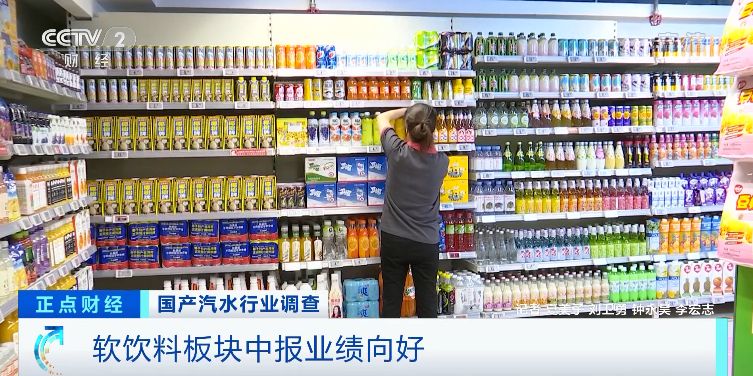
After many years of competition in our carbonated drinks market, where international branded coca-cola and pepsi coke account for more than 80 per cent of the market share, the rate of catch-up by domestic firms is accelerating, and there is still much room for growth in domestic soda in the future compared with the current retail size of the beverage industry of over $700 billion。

Vice-president of the chinese beverage industry association cheng yi: in 2020, for example, the total national production of carbonated beverages should be around 20 million tons. But the old brand companies, which produce up to 100,000 tons or less. The total production of old brands is less than 10 per cent of the total market size of carbonated beverages, and there is considerable room for development。
Capital has also given undivided attention to domestic soda tracks for many years. Following the 85-year-old arctic ocean to travel to the capital market with the shell technology, the 73-year-old ice peak also submitted a stock call to the depth。
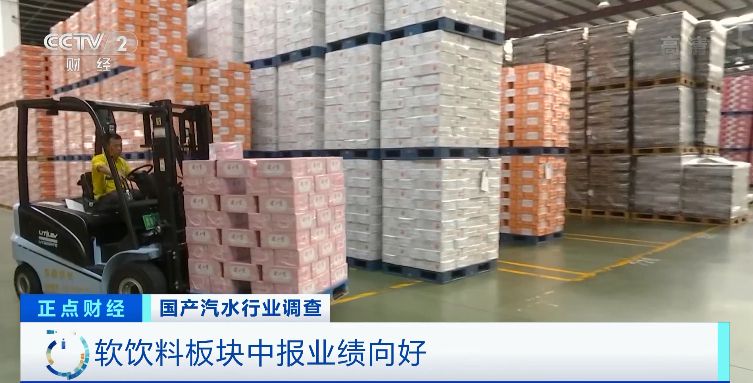
In addition to this, there has been considerable financing in the field of domestic soda, with the rewritten version of the hanquo ii plant returning to the eyes of young consumers, amounting to more than rmb billion. The industry has argued that capital assistance can allow domestic steam companies to upgrade their production lines while moving beyond regional constraints to open up further markets。