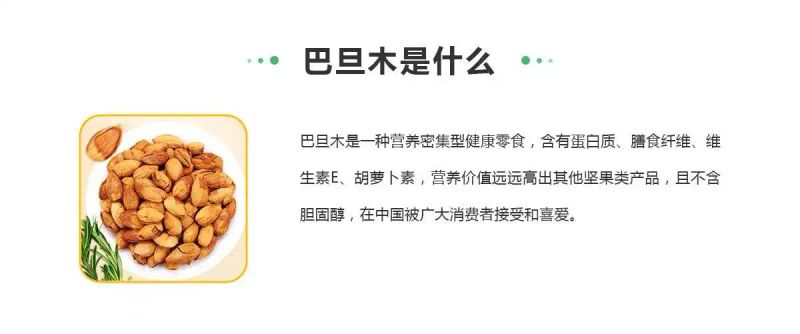
Batamu (badam, badam) is the name of xinjiang uighur, known as badam in persian, the fruit of which is called bardan almond, known as amigdalus communis l., and which belongs to amygdalus l., the world's famous tree of wood oil and dried fruit. Badan almonds are the world's oldest breeders and are evolved by wild species. Our cultivation history of apricotism has been in place for more than 1,300 years, with 7 species and 10 variants spread over the country's padam wood. Our badan wood-scale production is concentrated in the kash and tan region of xinjiang, with three species, five variants and more than 40 varieties. Its total production, which has been at the top of the 4 dry fruits of xinjiang for many years, exceeds the quality of foreign varieties. Badanwood is of high nutritional value and is known as “the fruit” as an invaluable supplement to the good. More than 60 per cent of the uighur drug formulations contain it and can also be used as a raw material for various processed foods。
We know the origin of the evolution of the badanwood. Do you know how to plant it? What kind of environment does a badan tree need to be planted?
In my country, xinjiang is a continental climate, with a high temperature differential. Daylight, drought. In order to adapt to this environment, plants accumulate a large amount of sugar and oil in their plants, making the guacamole in xinjiang particularly sweet. Xinjiang bardan wood tastes more sweetly than its oil and sugar content abroad. Xinjiang has a large variety of about 40 families, divided into five family groups, namely, the soft-hulled-paddian-wood family, the sweet-paddan-wood family, the thick-huddered-paddian-wood family, the bitter-padian-padian-padian-padian-padian family. The best varieties of the first two families are: platinum, soft-shell, soft-shell, soft-shell, double-baddam, etc., which are called “pestka kazibaddam,” “kakazbaddam,” and “stickkbandam,” in wei。
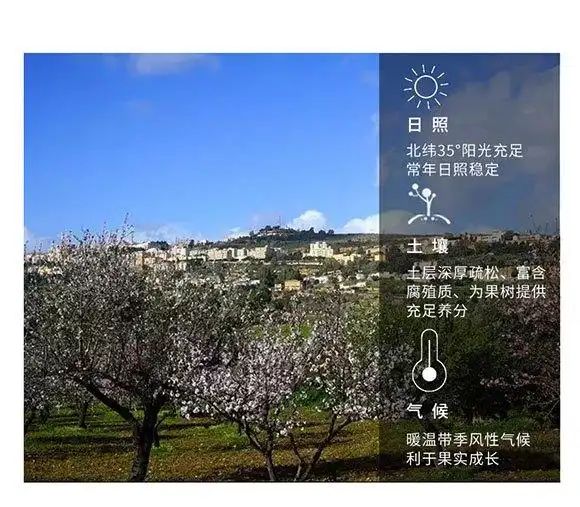
What are the environmental conditions for planting the badan tree?
Badan wood is found in low-middle-altitude mountainous areas (400-800 metres above sea level) between 32° n and 40° n and prefers calcium-containing soils. Dry slopes, often characterized by multiple gravel, receive less than 800 mm of annual precipitation. The annual average is more than 2,200 hours, the frostfree period is more than 210 days and the annual minimum temperature is more than 14 degrees below zero。
Today, many areas of the new and old continent are cultivated, especially in warm arid areas。
Now that we are already aware of the environment in which we grow the padan tree, what other areas of the country, besides xinjiang, are suitable to grow the padan tree?
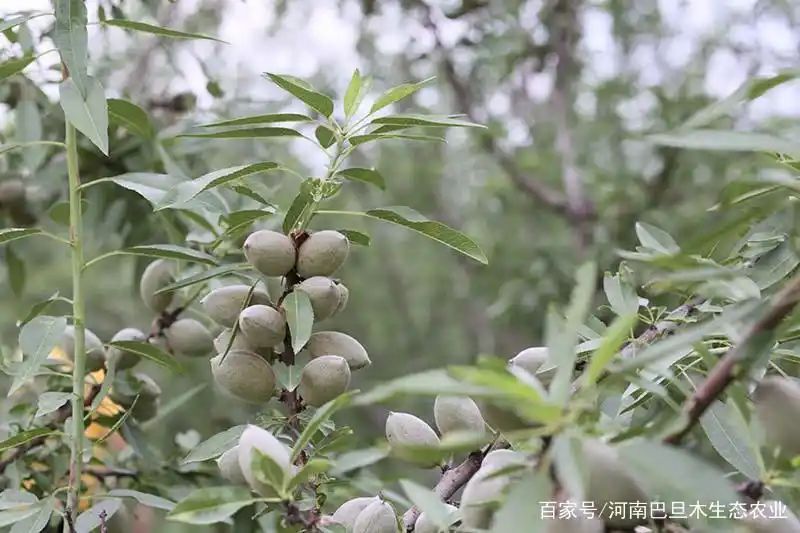
With advances in agricultural technology in the country, henan badan wood agrotechnologies development ltd. Has broken through the core seedling and planting techniques of badan wood, led by professor wu kuo liang and directed by a number of agricultural experts, and has been developed over the years to produce paper-based wood varieties of 4,500 kg per acre, with the same quality as the united states。
There are also many suitable areas for cultivation, such as shandong, northern zhejiang, northern anhui, southern henan, shanxi, shanxi, ningxia, gansu and southern xinjiang. And the south is too wet, the north is too low. None is suitable for planting。