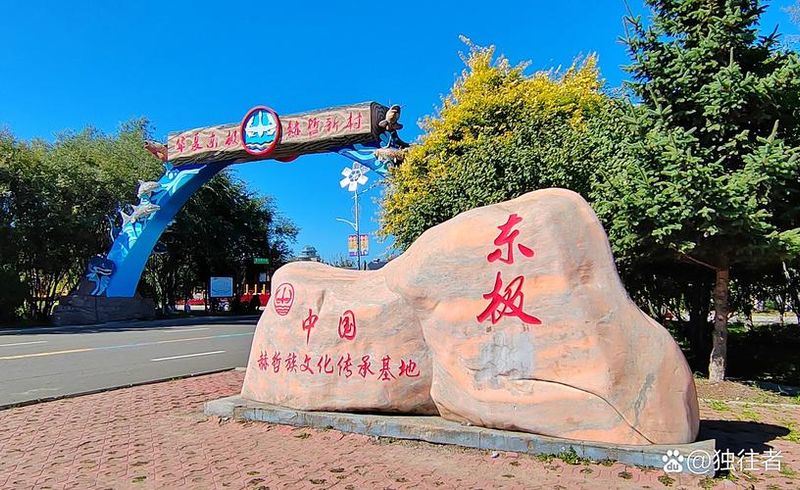
One of the smaller ethnic groups in the country is the hetzers, totalling 5354 (2010). At present, the hetze people are concentrated in the three villages comprising the heilong river, the songhua river, and the ursuri river, which comprise the plains of the three rivers and the rest of the mountain. They are concentrated in two villages, the hetze commune of zinguang, the hetze commune of the same city, the hetze commune of the four rows of yau county in the city of zhuangshan and the jimuze village of the town of zojiang, and the village of the jihchchshi village in the town of zhuji district. According to the fifth national census, out of a population of 4640 hydras in the country, 3910 are in heilongjiang province, or 84. 3 per cent。
The hetze people live in the three rivers of plains and the mountains of the mountains of beauty and prosperity. The three river plains are alluvial plains with an area of approximately 80,000 square kilometres. The terrain is low and at an altitude of 50 to 100 metres, with plains, grasslands, wetlands and marshes. The black layer varies from 15 to 50 centimetres, with higher natural fertility. The climate of the three plains is wet, with annual rainfall ranging from 500 to 600 mm, a cold-temperate continental monsoon climate with a frostless period of approximately 135 days. The mountain is part of the long white mountain system, situated in the south-west of the plains of the three rivers, in the middle and low range, on the edge of the hills and at altitudes of between 800 and 1,000 metres。
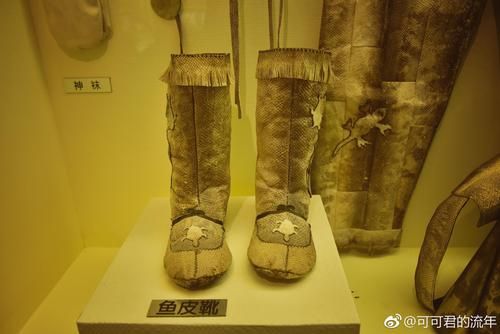
The three river basins inhabited by the hetzers are rich in aquatic resources. The platinum is a very valuable species, and the mackerel bands, bones and bones are a treasure, and have been trophids to the qing dynasty for many years, along with the “tung joo” and “song qing” and are known as the “six precious” in the northeast. Salmons (grain salmon) and sturgeon are known as species. In addition, the heilong river is celebrated by the “three flowers”, “five roses” (flowers, bouquets, bouquets, bouquets, yeros, juro, zoros)。
The mountain range is extremely rich in natural resources. The plant species belonging to the long white mountain flora are in 23 sections and 39 are natural secondary forests. The main broad leaf species are pines, tungstens, yangs, tungstens, walnuts, yellow carrots, water willows, etc., and the main needle tree species are pines, reds and sprouts. The wild fruits are ploughs, tomatoes, grapes, thick plums, and plums, and red mountains. There are dozens of different types of corn, monkeys, yellow florist, bouquets, bouquets, bouquets, bouquets, bouquets, raisins, raisins, garlic, onions, and raisins. The mountains are inhabited by a variety of rare animals, with 26 species of mammals, 34 species of birds, 6 species of amphibians and 2 species of reptiles. The beasts include north-east tigers, leopards, bears, mink, deer, moose, moose, moose, boars, gills, foxes, otters, morks, straw rabbits, rats, wolves, euphemisms, etc. Among them, the mink is a valuable tribute in history。
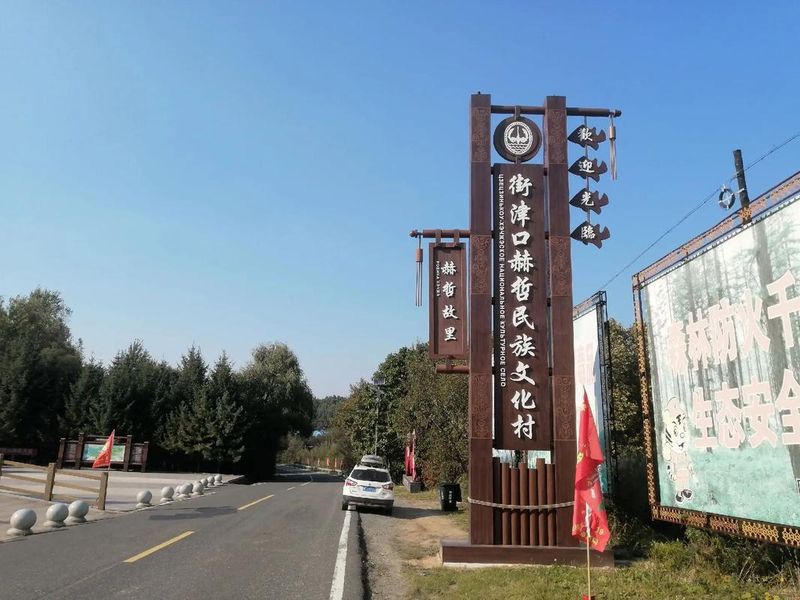
Owing to the vast geographical area of residence, the hechtschafts claim more. In the past, those who lived on the coasts of the songhua river in today's fujimong city described themselves as “nabe”; those who lived on the coasts of qardan to jinko village in today's fujimong city called themselves “nanie pride”. In all three terms, “that” means “local”, “local”, “yes”, “be” and “dignity”. In addition, those who had lived in the areas below the lower fork and on the coasts of the ursuri river were referred to as “he-jin” or “he-gisler”, meaning “downstreamers” or “easters”; those who had lived on the shores of the mixed river and the songhua river had also claimed to be “gangs”. “hertzer” is a symphony of the names “hertone”, “hakim”, “hakutsu”, “hakutia”, “hakutia”, and “hakim”. “hechard” was first known as kang hee in march (1663). In 1934, after the publication of the book " the hydra downward of the songhua river " , "hercheol" was widely disseminated as an ethnic name. Zenium
The hetze language is full of the altai language - the tungusi language is full of language and no text。
(excerpt from chinese minority volume of the five series on ethnic issues)