Sapling selection
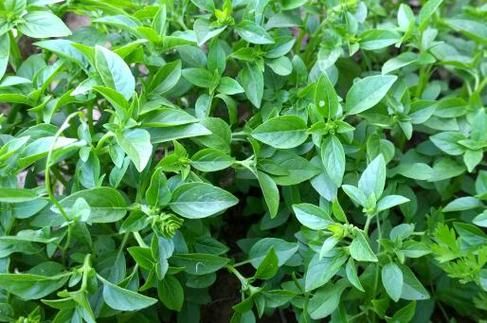
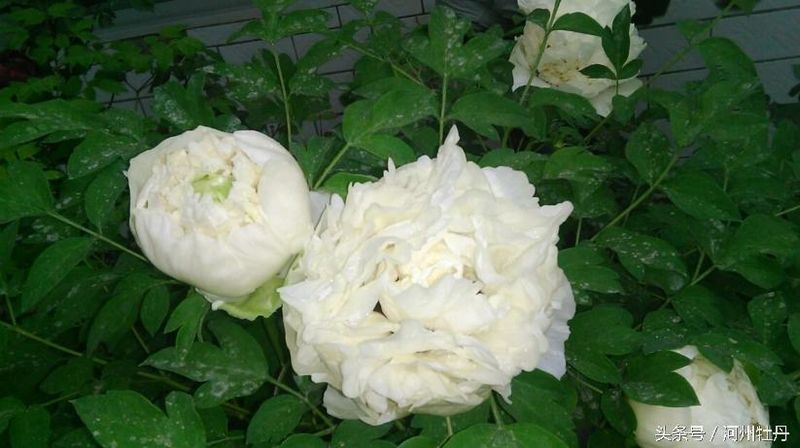
The selection of seedlings is an important prerequisite for planting the police and ensuring that the next year the flowers will bloom. First, it requires a combination of pure and multi-coloured varieties with a view to achieving a truly beautiful view. In particular, a robust plant with four to five years of life, five to seven branches, with fresh and undamaged seedlings, roots complete, and no traces of infection and nematode hazards from black spots or platinum。
Landing and landscape
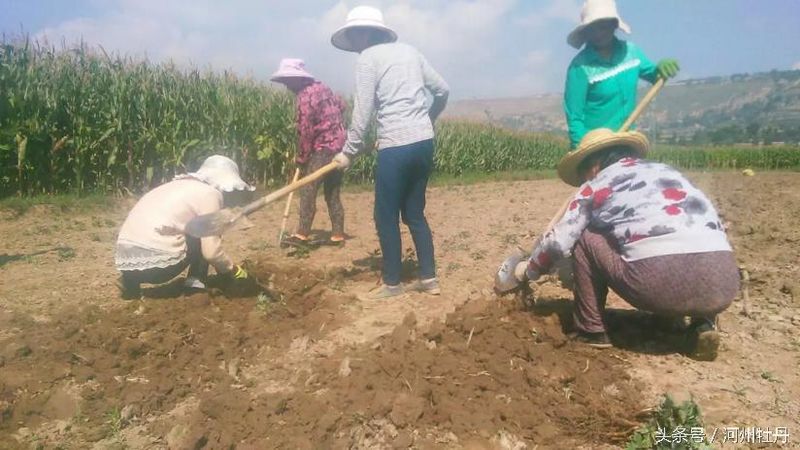
Suitability is key to a well-growing and well-developed police field, which, according to its dry and dry features of fear of wetness, glitter, etc., has been planted to select high-lying, well-watered areas of open air, with no choice of low-humid, saline clay, etc. Soil ph values of 6. 5 to 7. 5。
Pyramids, which are deep roots of meat, are able to grow deep into the soil and develop well. A month before planting, they undergo a deep flip-and-square application of bottom fat, ranging from 1,500 to 2,500 kg per acre of rotting organic fat, with organic fats choosing chickens, pig dungs or school fats. Before planting, a ditch should be dug at a density of 100 cm by 100 cm; a ditch should be 50 cm by 50 cm deep; 30 cm deep surface soil should be mixed with organic fertilizer on the side of the plant when digging a ditch; and a 20 cm thick heart exercise should be able to drive an emergency?
Plantation
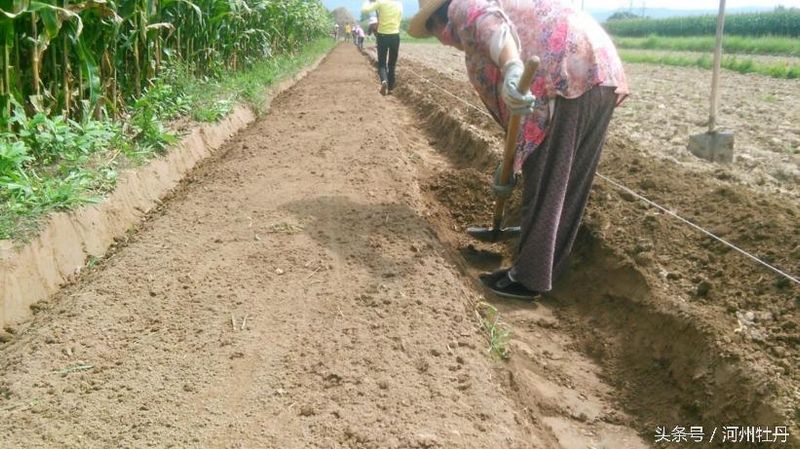
During the planting period, mid-october and late autumn, the heilong river was the most effective time for planting the field, when it was slow or stopped growing and entered a period of relative hibernation, which was beneficial for both survival and recovery in the second year, during which time it was possible to plant early and conducive to the second year of growth and increased drought resistance in the spring, with high survival rates. The failure to plant too early, which is prone to “fall hair” as a result of high temperatures and high humidity, gives rise to early buds, which will be frozen in winter。
It is not appropriate to choose between spring and spring during the planting of the police. There is a saying that the “spring of the spring, the flowering of the old” is due to the planting of the spring, the failure of the roots to take root in a timely manner, and that part of the sprouts on the ground, influenced by rising temperatures and warm spring winds, contribute to the emergence of the sprouts of the sprouts, when the water and nutritional supply and demand of the body are disrupted, causing damage to the “fragrance” or drying up to death。
Plantation methods
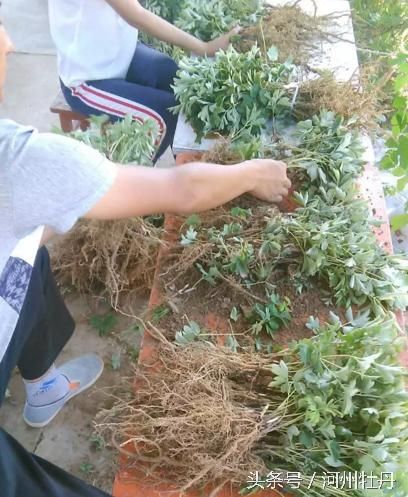
(i) preparation of seedlings: before planting, the seedlings are examined to see if the buds are full, with or without damage, whether the roots are well developed or not, and whether there are traces of bacterial infections and of harm caused by underground pests. A split of three to five days before the plant is planted, with a sufficient number of roots and four to five units per station. It is then mixed with prepared grass-wood ash, which is even at 10:1 scales, which removes the cut, and is placed in a light ventilator for three to five days, before the roots become softened。
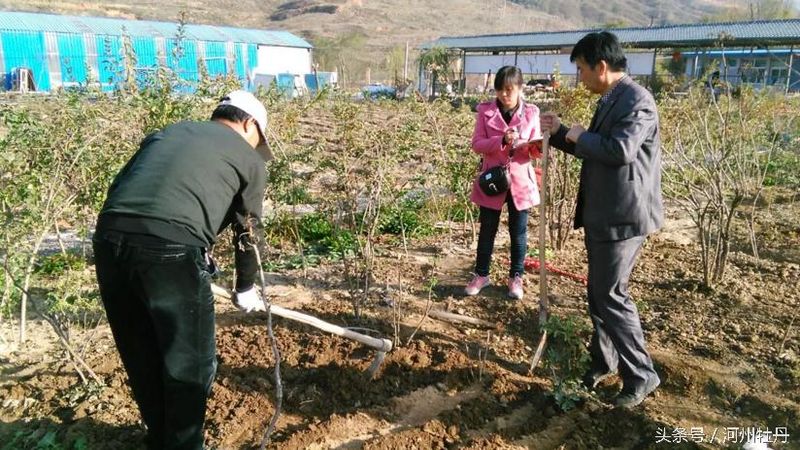
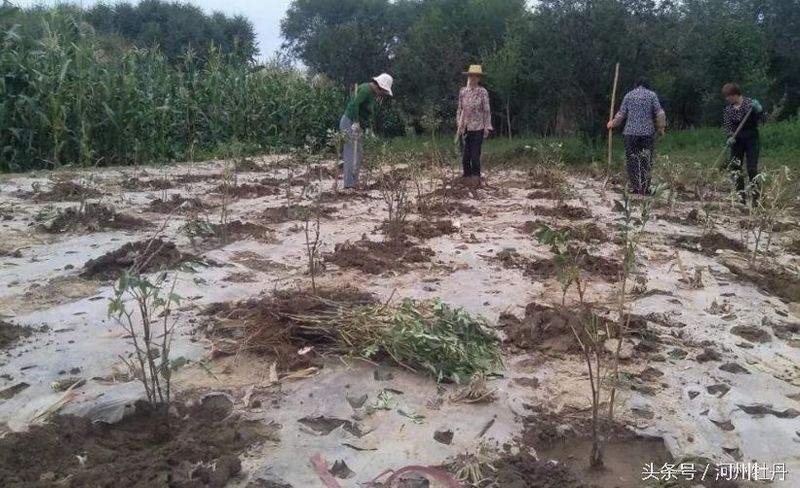
(2) cultivation: when planting the pyrotechnics, which are mixed with organic fattening and 20 cm thick, first fills the pyrotechnics with a 20 cm thick surface in a planting ditch, forms a plume of fish backs, lays the roots of the pyrotechnics above the pyres, spreads them evenly and stretches them down to their surroundings, then continues to bury the earth in the ground and to move them around two thirds of the pyramids, with a light-sapling of hand and swinging of the neck below the ground 10 cm, and then continues to fill the pyrotechnics above the top of the pyre, pouring water into the plumealms, until the water is permeated, so that the plowing of the pyrotechnics with the earth dug from the pystals, which is around 10 cm thick, and so that the pyrems the pyretages are flat。
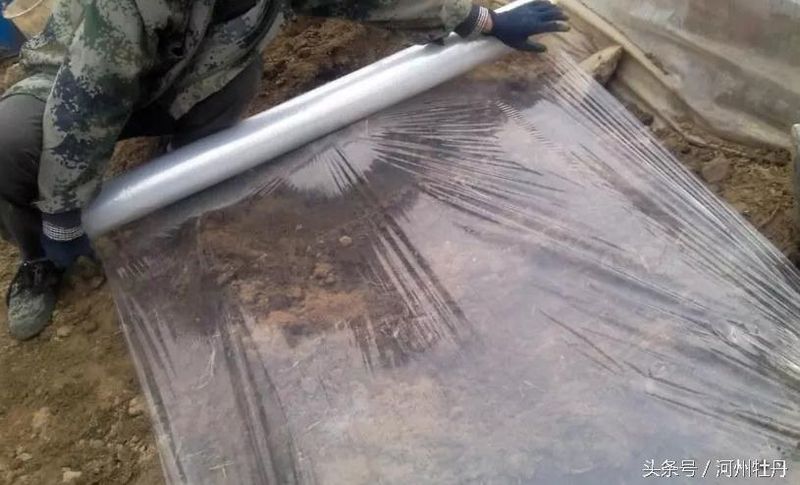
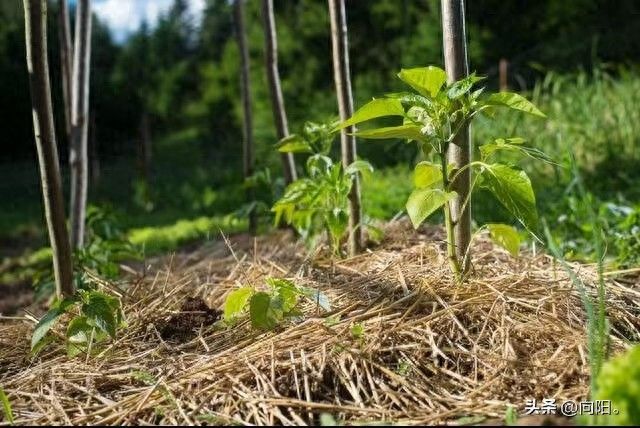
(3) temperature over winter: in the heilong river, where winter is grown, the cold is a very important component, and as the temperature fluctuates at or below 0°c, the fall and winter winds tend to cause the drying of twilight damage to the upper ground. The entire plant is covered with straw, with a vertical thickness of 10 cm; or the pyramid plant, with a swipe-free sheet, is covered with 10 to 12 m thick membrane, with a wide width that can overwhelm the planting ditch. In late march and early april of the following year, cold soil and cover were removed and the ground around the police station restored。
Plantation management
Water
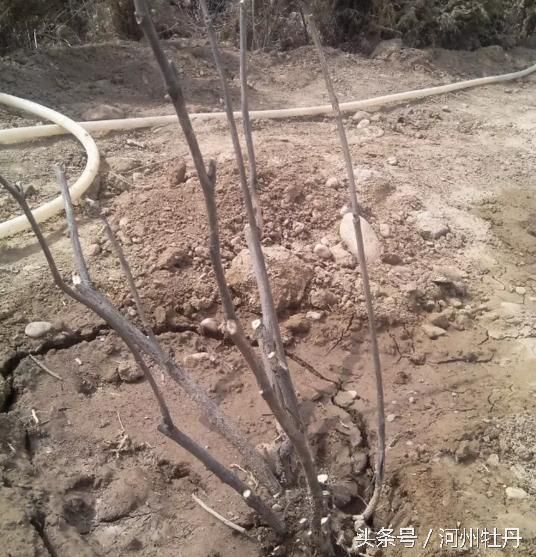
(1) watering period: the watering of the police shall be carried out in accordance with the characteristic of “dry and wet”, and shall be based on the principle of “better do not wet”. Pyramids are the most afraid of water accumulation, especially after long summer rains or heavy rains, when field water is very bad for their growth and even death. The key to watering is timely and adequate. A. When local temperature stabilizes at 4°c - 5°c, when new root root causes begin activity, water shall be watered in accordance with soil water conditions to ensure the growth of buds and new branches. B. During the small wind bells of the bud development, the water supply is guaranteed to meet the requirements of the bud development and flowering. C. With flowering, sprouts begin to accelerate, i. E., enter the sprouts's stubling period, which combines pine cultivation with the pursuit of fattening, promoting the growth and growth of sprouts. D. A permutation of water before the fall of the pony leaves enters the dormant freeze in order to ensure the safe passage of the pony over the winter. E. Other stages of growth and development are regulated by rainfall and drainage。
(2) the amount of water being poured: usually on well-drained soil, the water is poured into the soil and the pine soil is ploughed in a timely manner. In the midst of poorly drained clay or summer heat, the amount and frequency of water recharge is regulated and excessive water is detrimental to the growth and development of the roots, i. E., the roots are mostly rotten and the few dry。
(3) watering time: the water should be timely, when the soil contains less than 50% of the water, and when the water is released in the spring, it is generally used to warm the afternoon. Water should be poured during the summer heat in the morning or evening, when the temperature is cool and the temperature is lower. In order to prevent local wet-hot environments in the field, after the summer thunderstorms, water should be prevented and released in time。
(4) water quality: rain and pond water are the best when taken in by the police, followed by rivers and wells. When using water sources, ph values should be tested, appropriate for water quality around neutral。
(5) watering methods: application of micro-jet or drip irrigation systems. Watering does not damage the soil structure, does not affect the circulation of gases in the soil, contributes to the removal of co2 and harmful gases in the soil and o2 is supplemented by gas flows. If water is rinsed with caves and ditches, then the soil in the top layer should be ploughed in time to improve its water, gas, heat, root system growth and soil micro-organisms and to facilitate nutrient absorption in the soil。
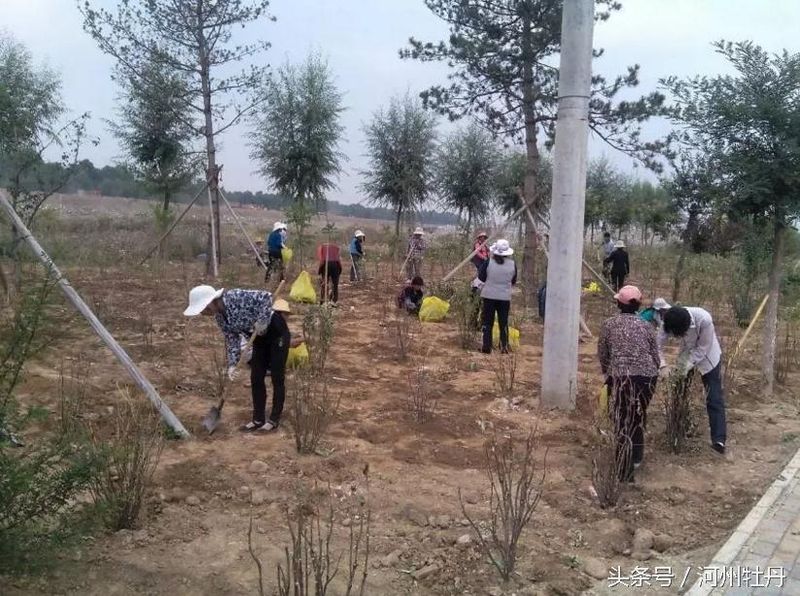
In order to improve the growth and development of the police, emphasis should be placed on fertilization. Fertilizers should be considered for the type, time and use of nutrients required at different stages of the growth and development of the oysteran, the size of the plant, the strength and weakness of the plant, and the growth habits of the oyster “split, summer naps, fall roots, winter hibernation”. In general, it is practiced four times a year, each in combination with water。
The first fertilization took place between mid-april and mid-may, 15 to 25 days before the flowering of the police. At this time, the leaves of the police are not fully developed and the assimilation is weak, but the leaves and buds are flourishing and require a large amount of nutrients. Fertilizers are consumed or insufficient to supplement the nutrients stored in roots or branches themselves and are very beneficial for the development and flowering of buds. The main application of organic nitrogen and a small amount of phosphorus fertilizer is the choice of organic fertilizers such as bean bread, oil, animal dung and composting. Fertilisation was around 3,000 kg/acre. Fertilisation can be carried out at a distance of between 10 and 15 cm and at a depth of about 10 cm, either by opening a ditch on either side of the line or by opening a loop around the plant. Peasing, oil slag, etc., are suitable for each plant around 0. 5 kg, and animal and poultry manure, composting, etc., are suitable for each plant between 1. 5 and 2 kg, which is then covered。
The second fertilization was about 15 days after the flower. This is the time when the branches enter a period of booming growth and the sprouts begin to divide. This fertilization not only encourages the rapid growth of plants, but also contributes to the thawing and formation of flowers between july and august, providing a good basis for the birth of flowers in the second year. This fertilization is important and indispensable. Fertilisation methods and fertilization rates can be measured by reference to the first application and can be applied in appropriate quantities and at appropriate times, depending on the development needs of the police。
The third fertilisation took place in late august and early september in the autumn, and this time more fertilized. This is because the application of fertilizer is taking place during the fall of the oyster dan’s new roots, both to meet his needs for fattening and to help protect him from winter in the heilong river. The application of full-effect fertilizer is appropriate, with the choice of animal dung, composting, etc., and the addition of 1 kg per cubic metre of calcium phosphate or bone powder 1. 5 kg per cubic metre, and the application of about 2 kg per unit. This fertilization has had a significant impact on the development and flowering of the flower buds in the second year。
The fourth fertilisation took place before the fall of the owl leaves into the winter of hibernation to ensure that the second year of spring plant growth needs are still dominated by organic fertilizer, with 1. 5-2kg per plant。
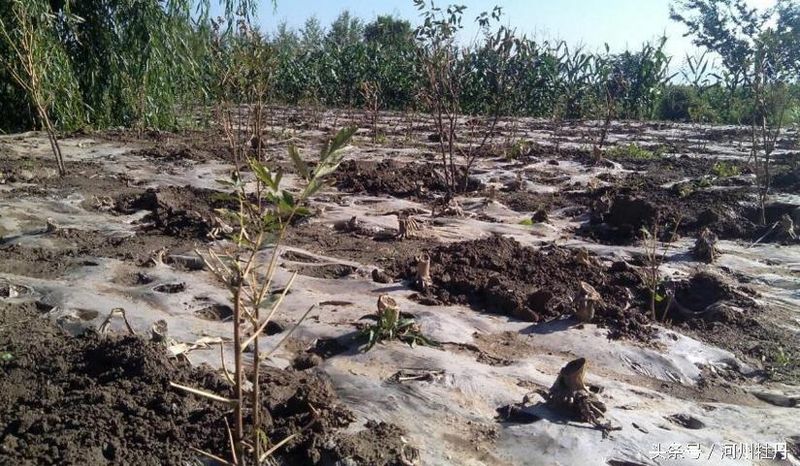
The good and bad management of the field directly affects the normal growth and development of the police and even the length of life. The management measures are appropriate, with the plants growing strong, flowering and growing age. Otherwise, plants are stunted and die early. It is therefore necessary to manage the fields over time in accordance with the growth and development characteristics of the police and the different conditions of the culture environment。
(1) cultivated pine soil: in order to improve the physico-sterilization of the soil by the police, to decorate the soil, to increase the temperature, to preserve the moisture in the soil and to accelerate the evaporation of excessive moisture, weeding should be carried out on a regular basis. Weeding is usually cultivated two to three times before flowering and once every 15 days after flowering. After each rainfall or watering, it takes place in time for the soil surface to dry up. At high temperatures and during the rainy season, soil moisture is high, surface sheeting and weeds are growing, so as to accelerate the evaporation of water, known as “wetweed drying”. Weeds before seeding will be eliminated in the fall, from mid-august to early september, in order to reduce the damage to the police during the second year. Cultivated pine soil is combined with weeding in order to reduce the consumption of weeds and water fattening and prevent the growth and spread of pests and diseases。
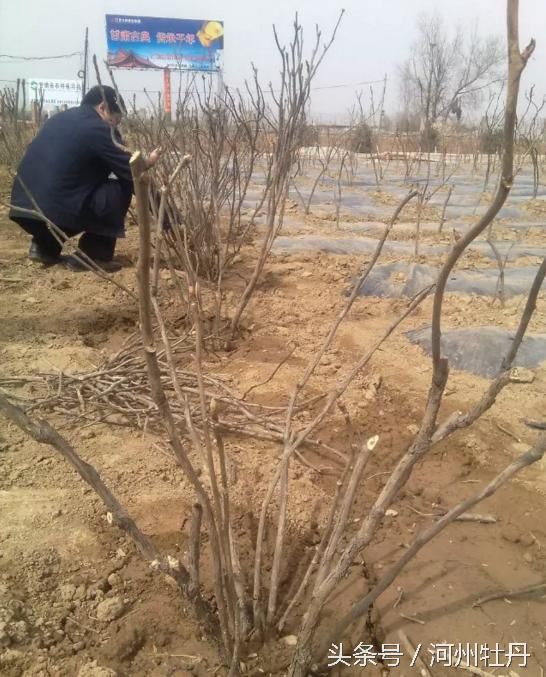
(2) orthopaedic shearing: the oscillation of the pyramid, also known as the sprout, is the first effect of maintaining a balance between the growth of the subterranean organs of the pyramid plant and the growth of the pyramid plant, so that it maintains a certain amount of branches and trees. The sprouts take place over three periods, the first starting with the spring sprouts stretching from the soil to the ground about 5 to 10 cm, the second in mid-august with a second sprouts based on the reality of the growth of the oysteran plant, and the third with additional retracting during the period between the fall of the leaves and the cold。
A. Setting: is the determination of the number of branches retained by the police plant. The degree of maturity, height, location and even distribution of branches needs to be considered. If there is no proper branch in a given direction, a new bud can emerge from the neck. For each branch, the number of branches should be determined according to different varieties and uses. The mother's plant, which is normally used for reproduction, has more strong branches and new buds that are born in the neck, and the guard, which is used as a viewer, is kept less in order to ensure concentration of nutrients for the benefit of flowers. Usually, four to five years old, each of them has a healthy, balanced distribution of five to eight branches, and each branch is to be repaired in such a way as to be symmetrical, i. E. To ensure the respective height of each branch. If the height of the branches is significantly different, the sprouts should be cut and the sprouts retained at the same height as the other branches. B. Choosing buds: some useless buds removed from the chief of police or from selected branches. In general, only the top sprouts are retained in each branch and, if the sprouts are not well developed, the more well-developed sprouts are selected. The sprouts are designed to regulate the growth patterns of the police plant, the amount of flowers to bloom and the size, chronology and roots of the plants to be grown and developed. If the sprouts are not selected and the extra sprouts are removed in a timely manner, they may result in thick leaves and sprouts, affecting the flowering or even the non-sprouts. The winter winter was in the heilong river, and the response to the cold was carried out between late october and early november. In the meantime, the plastic trim of the pyrotechnics is completed, leaving out the sprouts and the extra sprouts when they are selected. At the same time, fertilisation is carried out at depths of pine soil, which, in accordance with the third application of fertilizers and methods, is appropriate for the selection of warm animal dung, which improves temperature protection and contributes to the safety of the police during winter. Fertilizers are used to pour through winter water, which this time is the key water for the safe passage of winters. It is then chosen to cover an extra 50 cm field with a roller cloth and cover 12 mm thick membranes with heavy earth pressure to ensure a safe winter。