Pyramids are the buildings that we often think of when we refer to ancient egypt, especially the huff pyramid. Many believe that the pyramids are mainly pharaoh's mausoleums, but recent studies have shown that the pyramids may be more complex than we thought. What are their roles? Who built these mysterious buildings? These issues will be addressed in this paper。
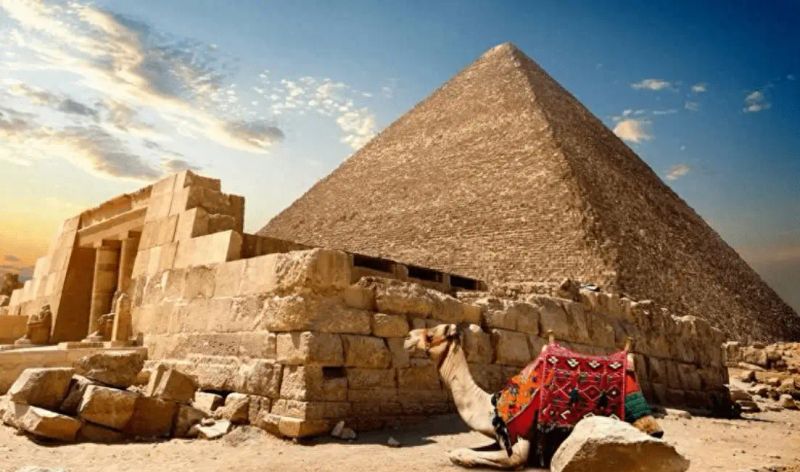
Multiple functions of the pyramid
The main function of the ancient pyramid is to serve as the mausoleum of pharaoh, which is supported by much evidence. First, the shape and structure of the pyramid coincided with the ancient egyptian understanding of the post-mortem world. The pyramids usually contain pharaoh bodies and a large amount of funerals, and are surrounded by rituals and rituals, which point to the view that the pyramids are mausoleums。
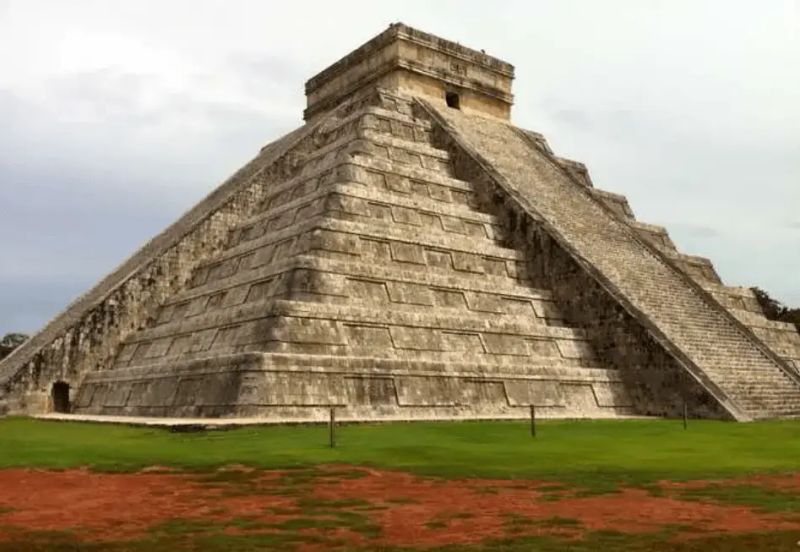
However, as the study progressed, scholars began to believe that the pyramid might have more functionality. For example, the location of some pyramids is not close to rivers or lakes, which raises questions about their availability of sufficient water to support large-scale construction activities. Moreover, the fact that the remains of the pharaohs were not found inside some of the pyramids also gave rise to doubts as to whether the pyramids were really simple mausoleums。
In addition, some scholars believe that the pyramids may have astronomical observations. To take the example of the huff pyramid in the giza plateau, its four sides accurately pointed to the four main astronomical directions. Some of the tunnels and room layouts within the pyramids also appear to be associated with astronomy. Thus, some scholars believe that these pyramids may be buildings used by ancient egyptians for astronomical observations or ancient calendar systems。
In addition to astronomy, the pyramid may also be closely related to the religious and social fabric of ancient egypt. For example, some large pyramids are in fact complexes of small pyramids, which may reflect the hierarchy and division of labour in ancient egyptian society. Furthermore, it is clear that the construction of these huge pyramids will require a great deal of labour, possibly involving the power structures and organizational forms of ancient egyptian society。

Builders of the pyramid
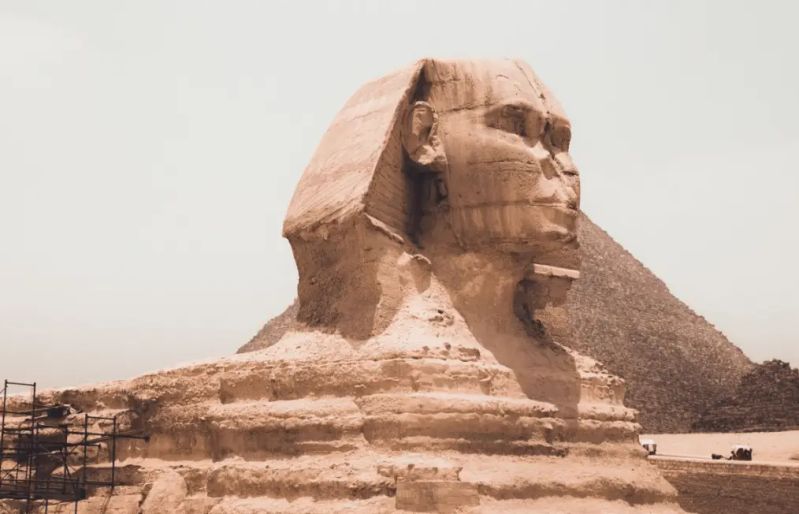
As for the builders of the pyramids, the traditional view is that they were built by workers from ancient egypt. These workers include slaves, farmers and a variety of craftsmen who use stone-making tools and simple machinery to complete construction for decades or even centuries。
However, in recent years, some new ideas have emerged that the construction of the pyramid may be more complex. For example, it has been pointed out by scholars that the construction of the pyramid requires a great deal of stone and labour, and that such construction can only be accomplished under a centralized regime. Thus, some scholars believe that the construction of the pyramid may be organized and directed directly by the central government or religious institutions。
In general, the pyramids are not just mausoleums, but may be more diverse and far-reaching in their functions, involving astronomical, religious and social organizations. The controversy over the builders of the pyramid remains a hotspot of archaeology and history。