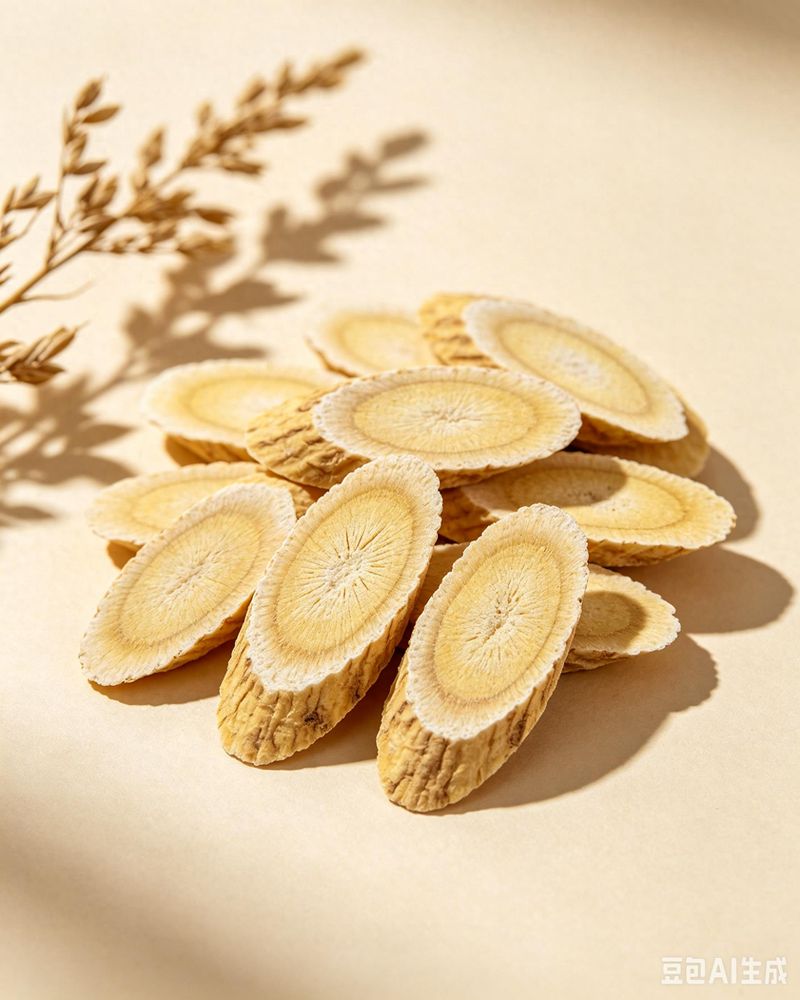
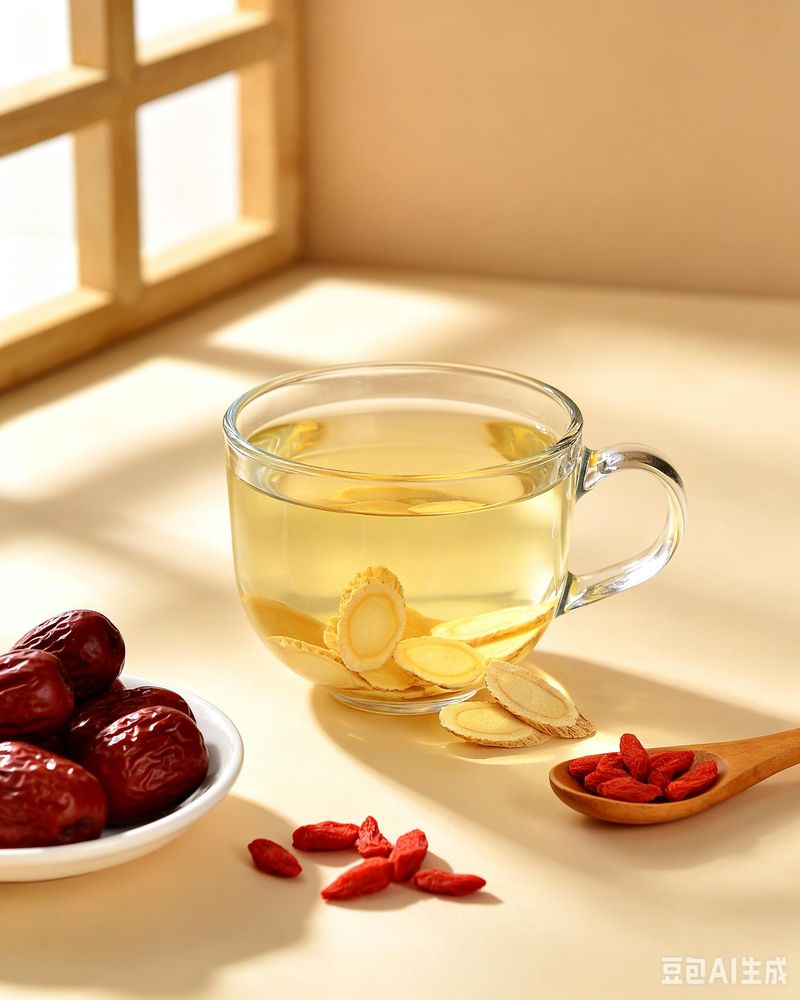
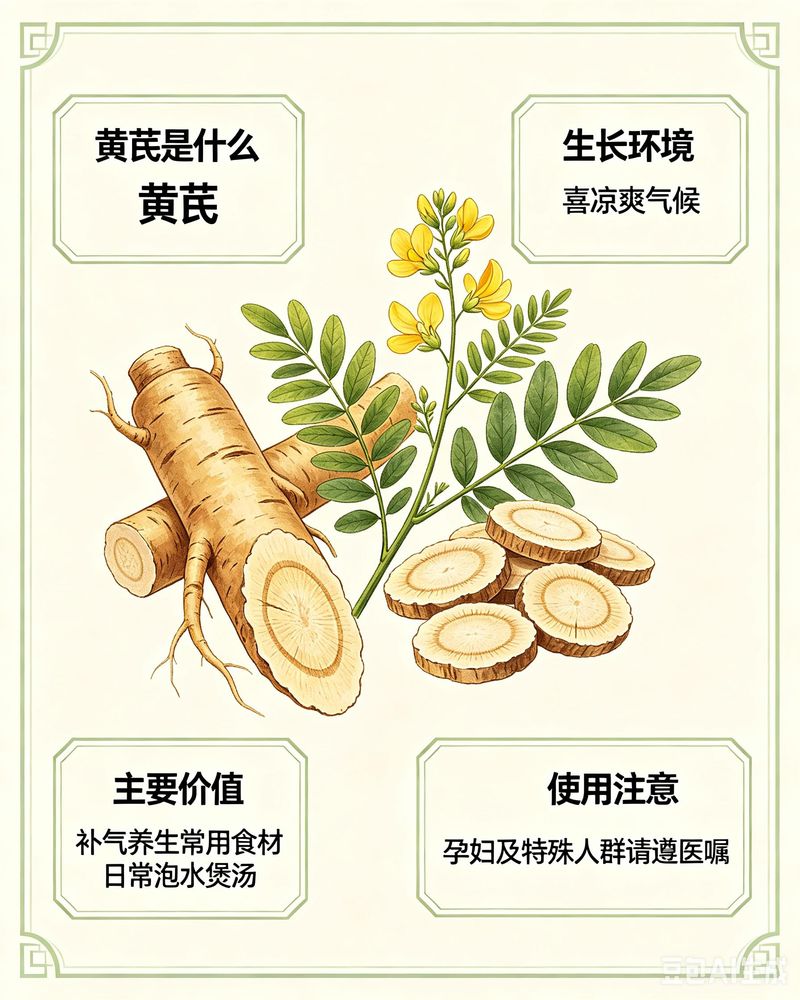
As a traditional drug in our country, huang yi has a history of medicine for more than 2,000 years and has the reputation of “the best of the remedies”. It is not only the core medicine in chinese medicine formulations, but also the fresh food needed for daily blistering and soup, and market demand has been stable and widespread。
Compared to ordinary crops, yellow radials are more adaptable, resistant to infertiles, easy to manage, and can be grown for many years at a single planting, with low input costs and a long yield cycle, and are the preferred specialty cash crops for farmers and entrepreneurs in mountainous areas such as north-west and north-west china. Today, we have been able to organize an easy-to-understand, ready-to-displace technology for the whole range of yellow platinum production, from seedling to harvest processing, so that new hands can be able to learn to grow high-quality, high-yielding yellow platinum。
I. Mapping growth habits and selecting the basis for cultivation
In order to be strong and effective, it is necessary to match its growing nature and avoid the loss of production and poor quality caused by blind planting。
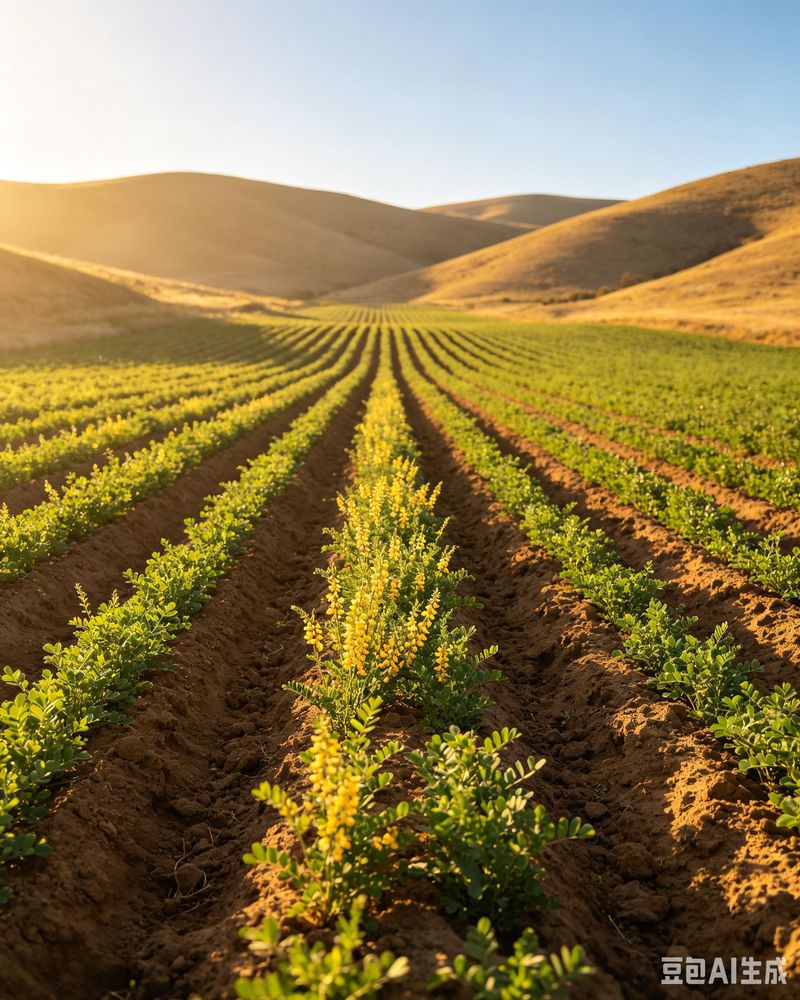
Yellow-sweet, long-sweet, day- and night-temperature growth environments are most suitable for planting in cold areas at 800 to 1800 metres above sea level, with adequate light and night- and day-to-day temperatures, which can rapidly accumulate core nutrients such as yellow-sweet and sugar, and improve the quality of medicines。
It is a deep-rooted crop, which is afraid of flooding, water accumulation, clay-heavy soil, low-lying, humid and poorly drained plots, and is prone to a single day of scabling soil. The most suitable soils are sandy sandy soil of 40 centimetres or more deep in the earth, abated and ablaze soil. The soil ph is the best micro-alkalin at 7. 0 to 8. 3, with low-gaseous clay, heavy saline land leading to root growth malformations and forklifts, which significantly reduce the value of commodities。
Ii. Land selection for deep cultivation and production
High-quality plots are key to high production, and the whole area is directly determined by long and late yields。
1. Land selection
Priority is given to flat, ventilated, drained drylands and slopes, avoiding low-lying flooding and wind vents, and precipice crops are suitable for wheat, maize and beans, avoiding heavy cultivation and reducing endemic diseases。
Deep tillage
Pre-plant deep tillage, which is controlled at depths of 30-45 cm, completely breaks the slabs and opens up space for deep roots in yellow plumes. Deep tillage is accompanied by the cleaning of weeds, gravel and residual crop roots, avoiding weed competition for nutrients。
3. Fabrication, preparation for seeding
The long-term long-lived and high-volume diet must be sufficient. Per acre, 2500-3,000 kg of manure per growner, combined with a suitable amount of potassium phosphorus fertilizer, are used evenly in the field and increase soil fertility。
Heavy-rained areas must be planted with a width of 40-45 centimetres and 15-20 centimetres, with 20 centimetres of space set aside for drainage, ventilation and field operations at a later stage, in order to completely eliminate the problem of water accumulation。
Seed sprouts + scientific seeding to increase seedling rates
The yellow skin is strong, natural sowing is low and poorly bred, and pre-sown sprouts are key steps in high yield, with two practical sprouts available to beginners:
1. Temperature-water impregnation: seeds are placed in 50°c water, are quickly mixed up to the temperature of the water for natural cooling, immersed for 24 hours, rinsed and rinsed on wet towels, covered with wet cloth hysteres, sowing when the seed cracks are white, with a gestation rate of over 90%。
2. Sand-to-earth techniques: evenling of seeds with two times the amount of clean river sand, light-skinning, grinding of hard and hard casings without damage to seedlings, and direct seeding after treatment can significantly speed up the lumbering of water。
Time and method of planting
In the spring and autumn seasons, locals can choose from climate flexibility:
- spring broadcasts: from late march to early april, the soil can be sowed by unfrozen soil and a stable daily temperature above 15°c
- autumn broadcasts: between late september and early october, seeding was completed before the soil was frozen, and the following year's seedlings improved and grew stronger。
The seeding takes the form of an open ditch with a depth of 2-3 centimetres and a distance of 25-30 centimetres, spreading the seedlings evenly into the gutter with a light-pression of 1-2 centimetres of the ground and maintaining the soil humid, which normally takes 7-10 days。
Iv. Responsibility transfer technology
In addition to live seedlings, seedling migration is the dominant method of cultivation on a current scale, with faster growth, more steady yields and better medicines。
Optimal timing of planting: mid-october/early november, after soil defrozen。
At the time of planting, open trenches, 40 centimetres deep and 25 centimetres long, singled out, flattened or tilted the saplings of strong yellow saplings, at a distance of 10-12 centimetres and at a distance of 18,000 to 20,000 per acre. The soil is solid, the seedlings cover 2-3 centimetres, and the root water is watered once。
V. Fine-tuning field management to determine yields and quality
The management of the yellow can be done without frequent attention, focusing on weeding, water fattening and control。
1. Cultivation
Weeds grow at a fast rate, compete for nutrients, cover the light, and have to be weeded 2-3 times. The seedlings are artificially shallow, avoiding deep-drive damage to the shallow root system, allowing for moderate deep tillage in the mid-term and later stages, securing the plant, promoting the growth of the root system and stopping weeding after sealing。
2. Scientific hydro-fertilizer management
The yellow haze is resistant to drought and flooding, does not need frequent water for long periods of life, has a long-term dry season that allows for a small amount of water recharge, and during the rainy season it is necessary to fill trenches in a timely manner, drain water from the ground and protect against the root causes of disease。
The principle of "light, strong and fat" follows:
- nitrous fertilizer, which promotes the growth of the leaves and the growth of the seedlings
- in mid-june, the root expansion period focused on the application of potassium fertiliser for phosphorus, 10 kg per acre, which could be combined with drip irrigation, 20 minutes of water-purification hoses after fertilization, avoiding the residual burning of roots in fertilizers and contributing to the expansion and accumulation of active ingredients。
3. Top control
The seedlings consume large amounts of nutrients and affect root growth. Cultivation of the second year, the timely removal of the top moss from the plant, the inhibition of reproductive growth and the concentration of nutrients in the root system can significantly improve the production of roots and the quality of medicines。
Vi. Green control of pests and pests to reduce production losses
Yellow beaks are more resistant and the incidence of disease and pests is low, with priority given to prevention and green control。
Main diseases and prevention
Core diseases are root causes of decomposition and powdery diseases, mostly caused by water accumulation and poor ventilation. Day-to-day draining, rational planting and the maintenance of ventilation in the fields can be effective in preventing the disease, with the application of low-intensity microbicides to root during the early stages of the disease, and the timely clean-up of the strain to avoid the spread of the disease。
Major pests and control
Common aphids, subterraneans, tigers, mainly eating the leaves and roots. Small amounts of pests are manually removed when they occur and large areas of cultivation can be treated biologically, with the application of low toxicity pesticides, the elimination of highly toxic agents and the guarantee of green quality。
Vii. Routine harvest + standardized processing to increase the value of sales
Yellow platinum is not as old as it is possible to collect it in a timely manner in order to ensure its efficacy and prototyping, with low yields of premature harvests and severe woody deterioration and reduced quality at late hours。
1. Timing
The most abundant nutrients are accumulated and the highest active content is found when the best harvest period is after the abbreviation of the upper leaf in the autumn。
2. Harvesting and processing techniques
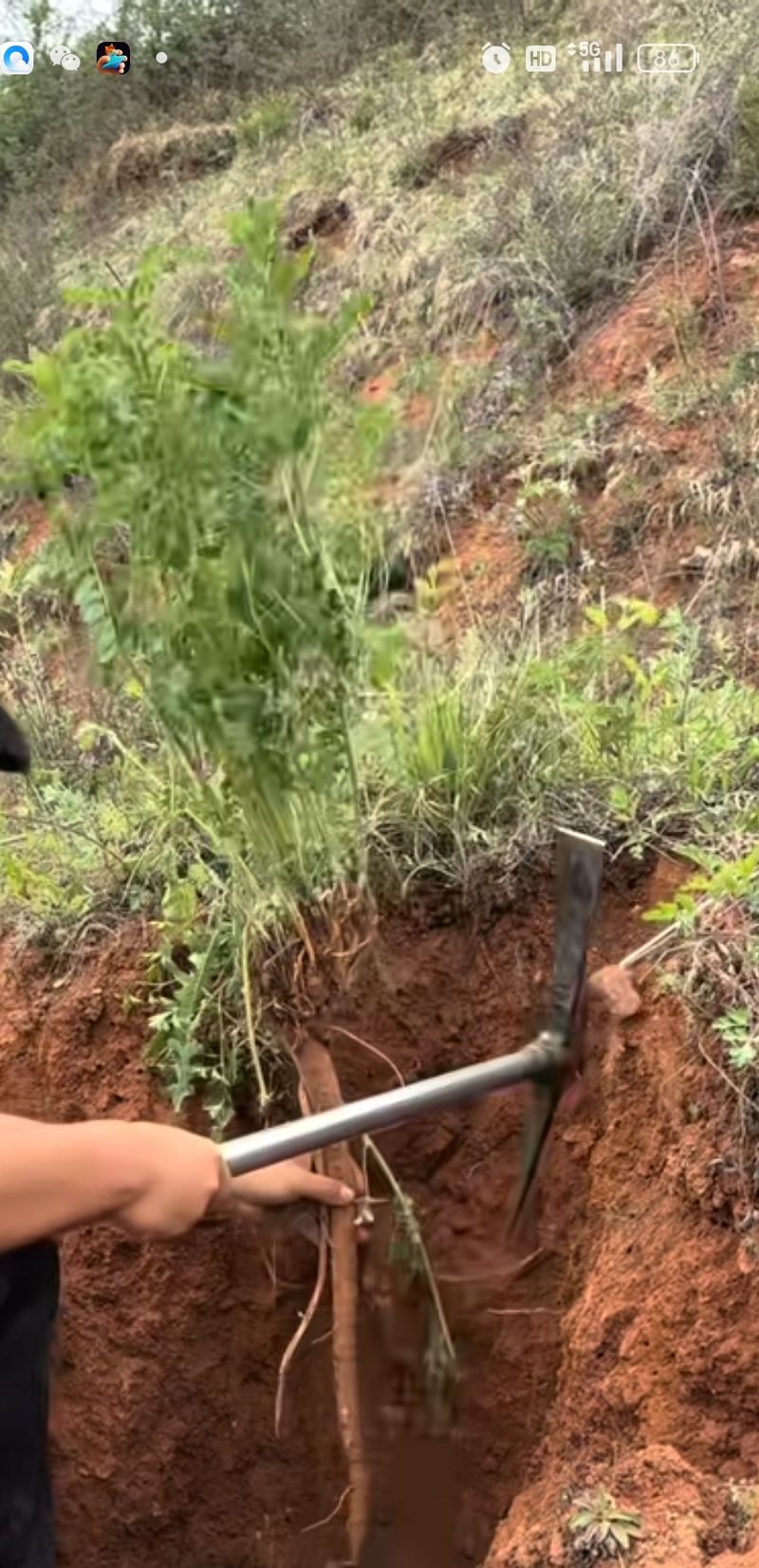
During harvests, the soil is dug in depth and the root system is fully excavated so as to avoid break and break. And remove the clay, and its roots, and its roots, and cut off the roots of the earth, and keep the root。
This is followed by drying: first, drying up to half-dry, cleaning up the roots, continuing to dry up to full dryness, sorting out, selecting long, thick, non-separated, non-stereogenic, high-quality yellow, salubrious, selling the better, the higher the price。
Viii. Analysis of the problems of hollow zilling
As a result of the growing awareness of the whole population, market demand for yellow beverages has risen year after year, not only for pharmaceutical plants and drinking plants, but also for ordinary households, which are required to make daily water, soup and porridge, and are covered by online retailing and distribution markets for drug products。
In particular, yellow tungsten in the land areas of gansu, inner mongolia and shanxi have higher market recognition and higher premium space due to climatic soil advantages and the sophistication of medicinal products. Moreover, the simple, reversible and infestable management of yellow plum cultivation is less expensive and less risky than fruit, vegetables and food crops, and it can be collected for many years on a continuous basis, and is a high-quality project for rural entrepreneurship and land generation。
Summary
The core logic of yellow plumb cultivation is to select the ground, to stimulate growth, to control water and to prevent disease. New recruits are able to grow high-yielding, high-quality hyenas as long as they are adapted to their growth habits, well-ploughed, reasonably well-planted and managed fields。
If you want low-cost, well-receiving niche farming, yellow tungsten is definitely a very expensive option, with standardized planting techniques that can easily lead to steady production。
Would you like me to streamline you into a version suitable for short video feeds so you can use it from the media