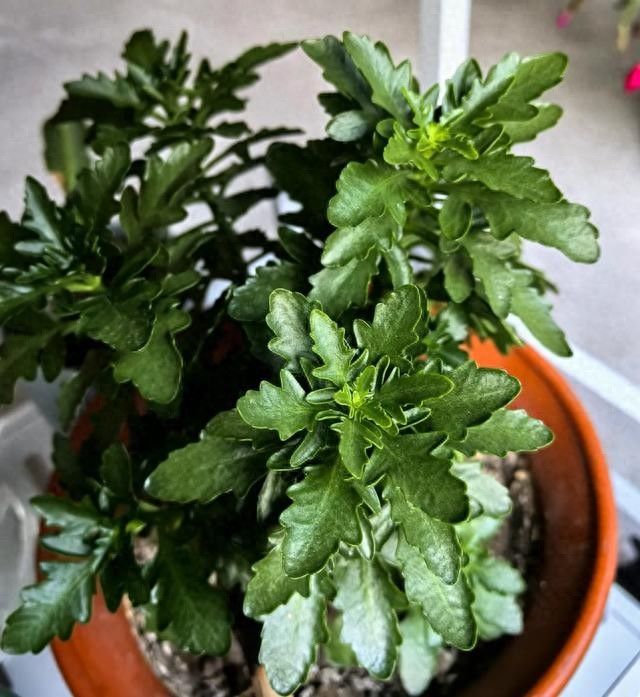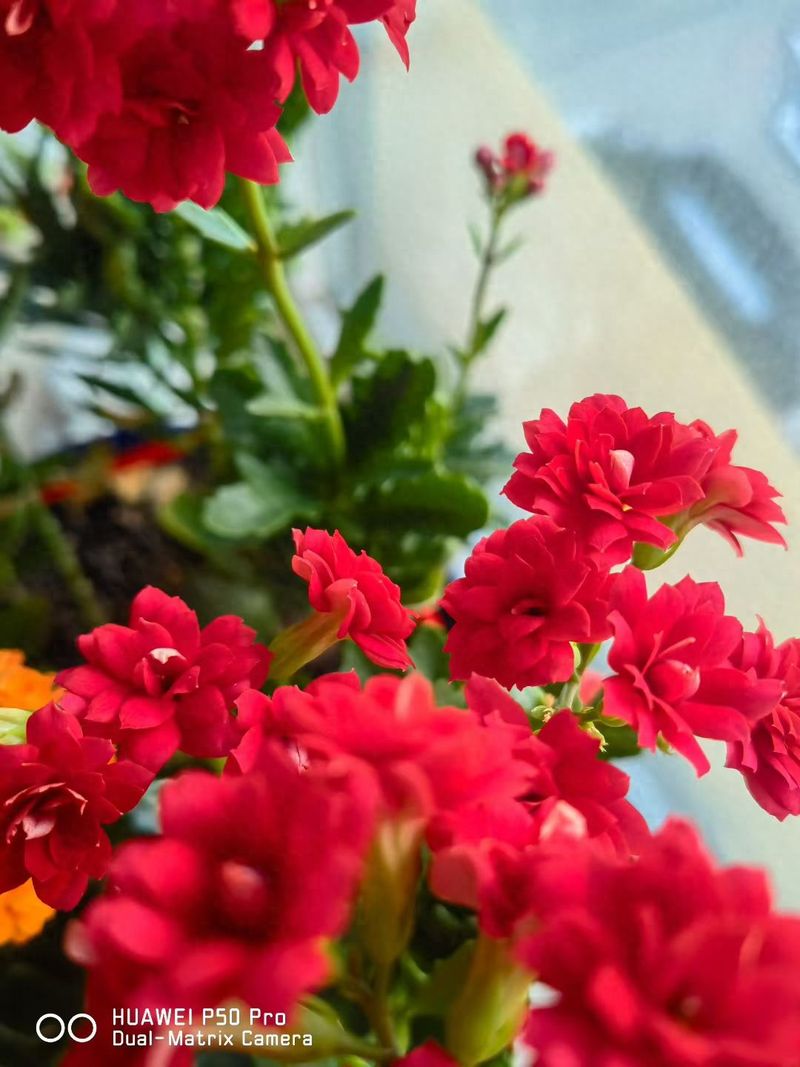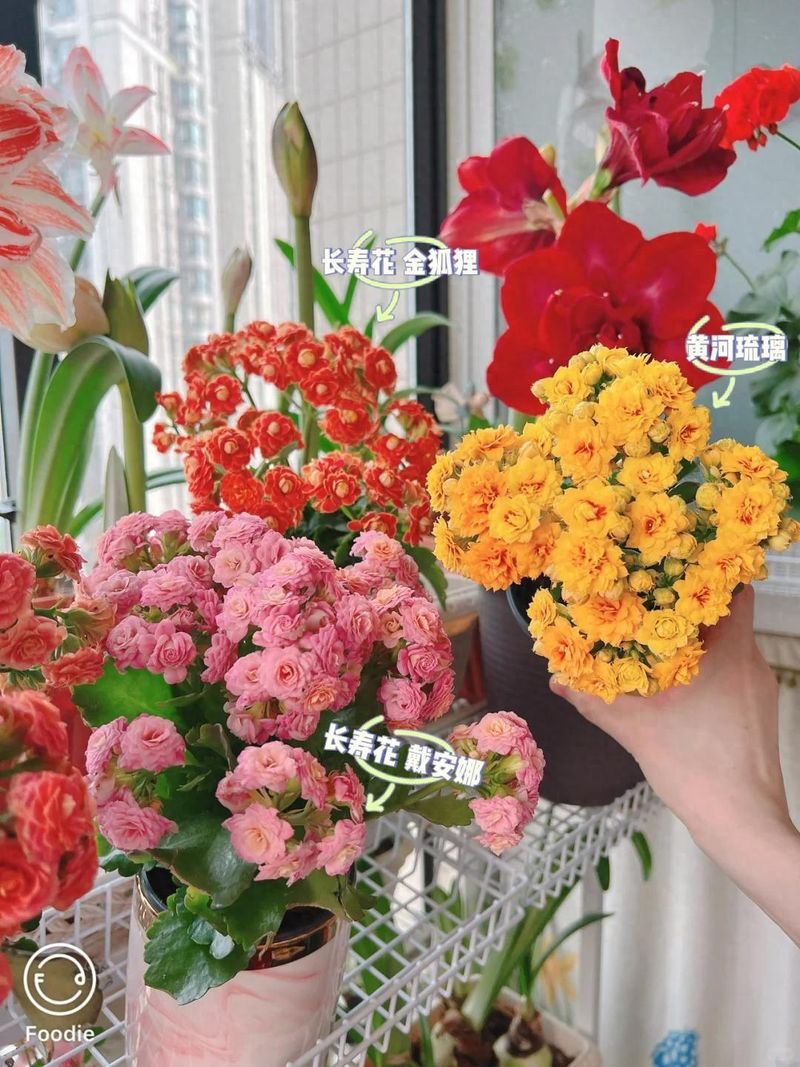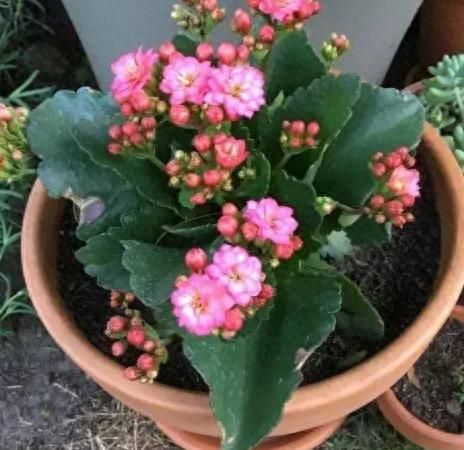
In rural homes, farm windowsills and urban balconyes, almost all households have a long-lived flower. It's a beautiful name, and it's a very long time, and it's an autumn and winter, and it's an early spring, and it's a small bouquet of flowers, red, pink, orange, and it's festive。
A lot of people are beginning to be happy with the flowers, hoping for them to bloom, so that they can actually grow up: some will not last long, others will grow softly, others will grow thick, with few flowers, and others will grow weak after a flower has bloomed。
For more than a decade, i've been playing with a variety of plant grasses, and long-lived flowers are a species of constant maintenance, and my neighbours and neighborhoods have been asking me questions about conservation. Slowly, i found that the fact that most people do not have access to long-lived flowers is not a matter of species or an inappropriate environment, but rather a fundamental error in daily maintenance, and that these five things are incomprehensible and are a key threat to their survival. Today, leaving aside the fancy maintenance packages, with solid practical experience, newers can spend four seasons of their lives, full of years, avoiding these five mistakes。
I. Long-term heavy water, constant dampness of the pelvis and a rotten leaf are normal
Many flower breeders have a fixed mind that plants need to be watered in order to flourish, with long-lived flowers on the side of the window, and when they see the surface of the pelvis dry, they refill the water immediately, and even pour it in large numbers, completely ignoring the growth habits of the long-lived flowers。
Longevity flowers are of a meaty nature, with large amounts of water stored in roots and leaves, and are extremely resistant to drought, with the greatest fear of drying up. If the basin is damp for a long time, the soil gap is filled with moisture, the roots are unable to breathe normally and the roots are decaying in just half a month. After the roots were damaged, nutrient transmission was interrupted, the outer lobe slowly softened, blackened, water melted and, in serious cases, the whole plant fell down and decayed。
And some of the florists are watering in the wrong way, directly to the leaves and the flowers, and the water accumulates in a cleavage of a plant, and a little bit of the ventilation breeds the fungus, and the leaves are long and the flowers are black and black, and a good flower is falling。
That's how it works
1. The watering follows the criteria of dry perforation, with two or three centimetres of fingers inserted into the basin, the soil being completely dry and then watered, and a one-time spill of water into the bottom of the basin, without a small and frequent recharge。
Water is slowly being poured along the edges of the flower basin, avoiding leaf cores and twigs and preventing aqueous deterioration。
3. Rainy weather and low-temperature environments cut water directly, and air moisture itself is sufficient, and additional water can only increase the burden on the roots。
4. The bottom of the flower basin must be kept open and drained, each time water is poured down in time to remove the water remaining in the tray and eliminate the root of the bottom。
Ii. Splashing nitrogen fertilizers, with long leaves
Longevity flowers are flowering, and rational pursuit of fat is essential, but the vast majority of people are in the same pit when they catch fat: they prefer nitrogen fat, and they think nitrogen fattens the plant。
Nitrogen fertilizer does drive the growth of leaf blades and exerts a single nitrogen fertilizer over a long period of time, with long-lived flowers reaching a long-lived form: the leaves are thick and thick, the colours are thick and green, the branches are thin and loose, the nutrients are fully supplied to the leaves, and the buds have no excess energy to divide. Finally, there was a full green leaf, and a few small flowers opened up all year round, which did not reach the pot effect。
There are also those who lose control of the concentration, no matter what fertilizer is thick enough to be buried directly at the root, and who burn their roots directly at high temperatures, and who loses their leaves and drys them, and who loses their whole basins and dies。
That's how it works
1. Phased matching of fertilizers: small and balanced nutrients in the spring and autumn growing season, complete elimination of nitrogen fertilizer near the flower season, and conversion to phosphate potassium nutrients. Farmers are daily able to soak thin and fat water with corroded fruit peels, with natural warmness and unharmed roots。
2. Insisting on the use of thin weight, diluting it and pouring it into the basin, and prohibiting the direct exposure of fertilizers to the root stem。
3. When high-temperature hibernation in the summer and low-temperature growth in the winter, the pursuit of manure is completely stopped, nutrients are not absorbed and the soil is accumulated with fertilizer only to the root。
Iii. Illustratively dark corners of the land, where there's no light for flowers and they can get sick
Longevity flowers are a flower of joy, and adequate dispersing light is the basis for sustained flowering, with many families placing them on the inside side of the living room and heading north towards the window table, with chronic lack of light。
The chronic lack of light poses two obvious problems: first, the thinness of the branches, the laxity of the strains, and the fact that the fracturing of the flowers is hampered, making it difficult to produce large amounts of flowers; and second, the slowness of the dry and humid pelvis cycle, the dampness of the environment, the blistering of black spots, pollinosis and aphids, the plastering of leaves, and the lack of value of view。
Some of them also go to another extreme, with hot sun in the summer, thin long-lived leaves, burning the face of the leaves with strong direct light, and the appearance of tarmac, dry sides and similar damage to the growing plant。
That's how it works
1. The daily balconies of the south towards the balcony and the window, ensuring a four- to six-hour per day of soft and direct light, with sufficient light and large branches, multiplying the number of flowers。
2. The summer afternoons are slightly shaded away from the virulent light, and the three seasons of spring, autumn and winter can be seen all day。
3. The flower basins are rotated every ten and a half days, allowing the plant to be luminous and to avoid being thinner and better balanced。
Iv. Long-term failure to trim the weak branches of the flowers and the continued ineffectiveness of nutrient consumption
Many people are unable to trim their bouquets, and the flowers are left to their branches after their long life has begun, and the small and weak branches and the inner cross branches are kept, with the feeling that the number of branches and the remaining flowers do not affect their strength。
Disabling flowers and the wreathing of flowers will continue to consume the nutrients stored in the plant, open and not trim them, and they will all be used to maintain them, making it very difficult to produce a flower quickly. Disturbed branches of weakness, cross-cutting branches that block internal ventilation and plant internal heat not only have few buds, but are also prone to pests and pests, with the vicious circle splitting in silence for a long time。
There are also new hands that are over-heavy, cutting once and for all, cutting off a large number of hidden buds and reducing the amount of flowers that follow。
That's how it works
1. When each flower is lost, the flowers are cut off in a timely manner, together with two fine branches under the flowers, reducing nutrient consumption and stimulating the side branches to develop new flowers。
2. Daily defusing of the inner cross branches and the small and weak at the bottom, keeping the outer limbs strong and growing and ensuring internal ventilation。
3. To trim the selected mornings with normal watering after the drying of the wound, and not to re-cut the dry branches of the main branch, so that they are properly repaired。
V. Soils remain unreplaced and salinized exhibition
The long-lived flowers are mostly maintained by pottery plants, with limited pelvis space, with long-term watering and fattening, slowly stylized soil, saline piles, for two to three years without changing soil, the pelvis is so hard that the roots don't get in, and the capacity to suck water is straight down。
Following the slabs, the nutrients could not be delivered to the plants, even if they were fertilized in a timely manner, the leaves were thinning and yellowing, flowering from one year to the next, the plants were growing weaker from one year to the next, many mistakenly assumed that the plants were ageing and that the soil had deteriorated completely。
There are also florists who pick up clay from the park and plant it directly. The clay is so poor that it is normal at the beginning that it will smother and rot for two to three months。
That's how it works
1. Longevity flowers are replaced every 1 to 2 years with the best soil exchange time in the spring and autumn at a warm time, after which the old and rotting roots are duly trimmed and new estranged soil is replaced。
2. Precedence of soil distribution shall be given to the acquisition of fresh gas, the mixing of sand in ordinary gardens and the allocation of decayed leaves and the elimination of pure clay planting。
3. Day-to-day conservation takes half-month periods of shallow pine soil, breaking the surface sheeting, increasing soil permeability and slowing the accumulation of saline。
Accompanying small maintenance techniques to avoid a four-season blast. Hana
1. Controlled suitable temperatures: longevity flowers are suitable for growth temperatures of 15 to 25°c, winter temperatures of less than 5°c are kept warm to avoid freezing injuries; summer plants above 30°c enter semi-sleep and reduce water fertilizer supply。
2. Moderate control of flowers: if the plant is so long, the water can be moderately controlled before the flowering period, the pelvis dry for a certain period of time, the gushing of flowers is forced to split and the control of water cannot be extreme drought。
3. Ventilation is essential, whether on the balcony or in a small courtyard, to ensure as much as possible that the environment is ventilated, that there is a high dry and wet cycle of ventilation, that bacteria and pests are difficult to breed and that the plant is more stable。
Longevity flowers appear to be simple, while the details determine the amount of flowers to be spent. These five conservation taboos are the pits that most newcomers would have stepped on: the roots of the water; the application of nitrogen fertilizer; the lack of light; the failure to trim the branches; and the long-term non-replacement of ground。
As long as these five faults are avoided, following the customary conservation of long-lived flowers for drought, light and estranged soils, without expensive nutrients, complex conservation tools, the ordinary home environment can also allow them to bloom, with springs of autumn and winter running out and flower basins running out。