The oil cause puzzle: scientific interpretation, not conspiracy
The cause of oil is a long-standing subject of the geological community. It is not a conspiracy, but a different doctrine based on in-depth studies of scientific theory and exploration practice。
I. The importance of oil and the causes of disputes
The importance of oil as the most critical and basic energy commodity in modern society is self-evident. From lighting to chemicals, textiles, plastics, fertilizers, energy and transport, oil plays an irreplaceable role. However, with regard to the causes of oil, there is considerable controversy in the geological community。
Ii. Two main oil causal doctrines
Organic genesis
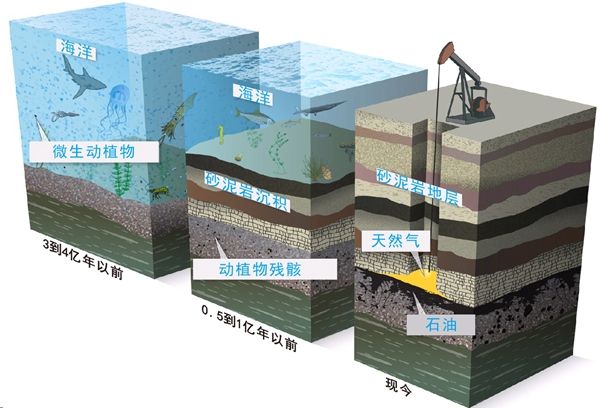
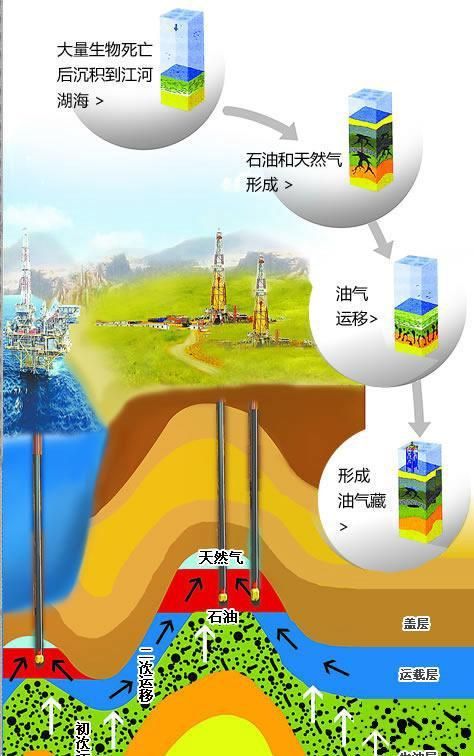
Organicism is based on the theory that oil is formed by the prolonged evolution of prehistoric bodies of marine animals and algae buried in an aerobic environment, either under the sea or under the lake, at high temperatures and pressure. This doctrine is widely accepted and guides over 90 per cent of global oil exploration. Since oil is derived from dinosaur remains or algae fossils and is biosediated, it is considered non-renewable with limited production。
Inorganic causes
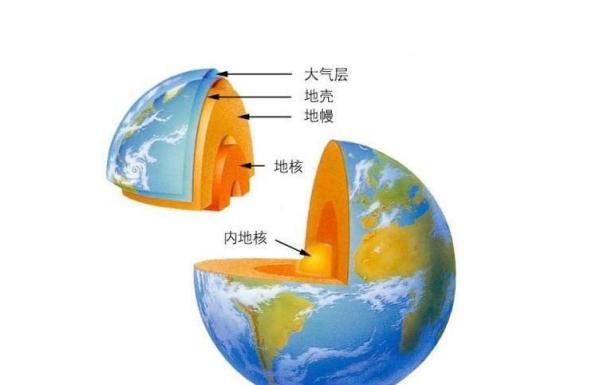
According to the inorganic genesis, the formation of oil is not intrinsically linked to the organisms buried underground, but rather an antiquities-hydrocarbons that continue to be generated under high-temperature and high-pressure conditions in the earth's deep surface, permeating upwards through faults or migration routes along rock cracks, crushing into shallow layers of the crust and eventually forming oil. The doctrine considers oil to be renewable。
Iii. Proceedings and disclusion
Practice validation of organic causal theory
The organic cause doctrine has been widely validated in long-term exploration practice. Most of the world's oil fields were discovered under this doctrine. However, the doctrine also faces some inexplicable phenomena, such as the production of certain oil fields that exceeded expectations or the discovery of oil fields in certain areas that are considered to have no oil sources。
Practical validation and controversy of inorganic causal doctrines
The inorganic cause doctrine was widely validated in the soviet union (now russia). Soviet scientists have conducted explorations in various areas of the former soviet union and have discovered oil fields in areas where no oil reserves are possible under western organic cause theory. These discoveries have subverted western geology theory and contributed to the development of inorganic causal theory. However, the inorganic cause doctrine also faces some challenges, such as the lack of sufficient empirical evidence to support its doctrine。
Iv. Impact of the corrective corrections
Oil causes are not only a matter of academic debate in geology, but also of a country's energy strategy. Different oil cause theories can lead to different exploration strategies and resource assessment methods that affect the energy security and economic development of a country。
Conclusion
The exact cause of the oil is still open. Both the organic and inorganic causes doctrine have their reasons and shortcomings. Future exploration practices will continue to promote research and development in this area. For those working in the oil sector, it is important to remain open and take different doctrines and disputes seriously in order to better understand and utilize this important energy resource。
To sum up, the mystery of the causes of oil is not a conspiracy, but rather an in-depth study based on scientific theory and exploration practice. Future exploration practices will continue to promote research and development in this area, providing strong support for our better understanding and utilization of oil resources。