A hundred degrees of science
“oil comes from the remains of ancient organisms”, a description of the cause of oil that we first saw in our textbooks, but it is not the only possible way to produce oil。
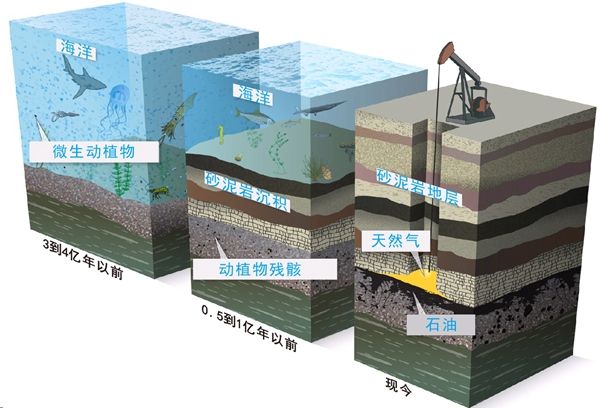
There have always been two versions of the formation of oil, the most dominant of which is the theory of biological and also known as oil organic causes, the view that oil is the remains of antiquated organisms formed through a series of complex chemical reactions under high temperatures and pressure below the ground. According to another view, oil is formed by elements of the earth itself in the depths of the earth's crust, even in the mantle, which is called oil inorganic。
First of all, we must be clear, whether organic or inorganic, that in theory is perfectly correct and that some evidence of reality can be found。
So how does life form oil? When the remains of ancient organisms are buried in the ground, high temperature and high pressure, combined with a lack of oxygen, do not decomposed and decomposed, but rather gradually produce a series of chemical reactions that form the raw oily rock layer. Over time, the raw oil layers will gradually lose their water, carbon dioxide and ammonia gas, which will turn into cheese, and eventually break carbon keys in the cheese, which will form oil. As early as 2013, researchers from the western pacific national institute of the united states had experimented on the basis of that。
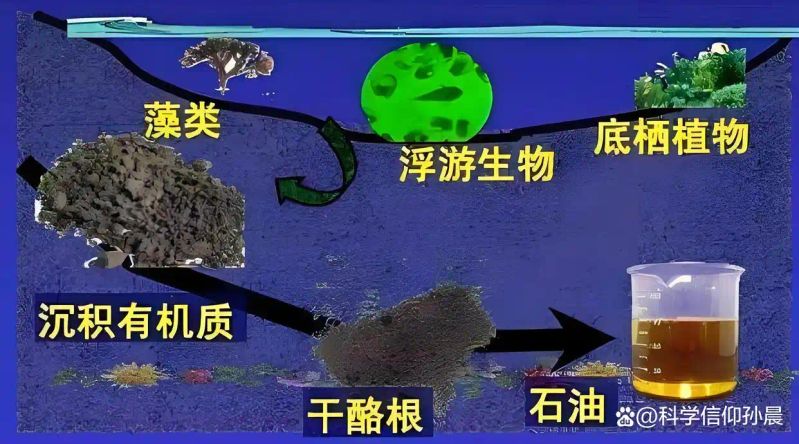
They placed algae in closed reaction containers, simulated an underground high temperature and pressure environment, in which they added large amounts of catalysts and produced biooil in just one hour, amply proving the correctness of the theory of biological oil。
As for the real evidence of the theory of bio-oil, that is even stronger, 99 per cent of the world's oil and gas fields are found in organically rich sedimentary rock, which is the strongest support for bio-oil theory and the reason why bio-oil theory can become the dominant view. However, the theory of biological oil formation is by no means the only form of oil, and as early as 1876, the russian chemist mendeleev introduced the theory of systemic oil inorganic causes。
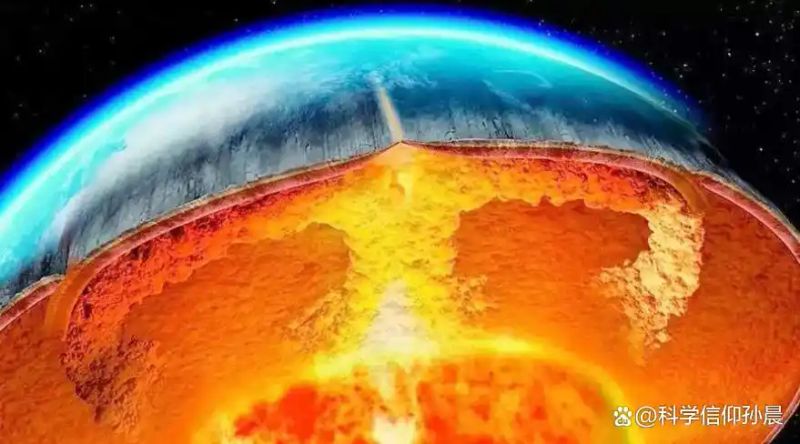
Mendeleev believes that, in the early stages of earth formation, carbon and iron on earth converge to form metal carbide。
Because of the high density of this carbonated material, it will gradually enter the crust and move to the earth's depths, eventually forming hydrocarbons in the earth's depths and producing oil. Theoretically, oil inorganic causes are equally correct, as many scientists synthesize oil by simulating the earth's deep environment. There is, of course, evidence of reality. The former soviet union had always been a strong supporter of oil inorganic arguments and was ready to put it into practice。
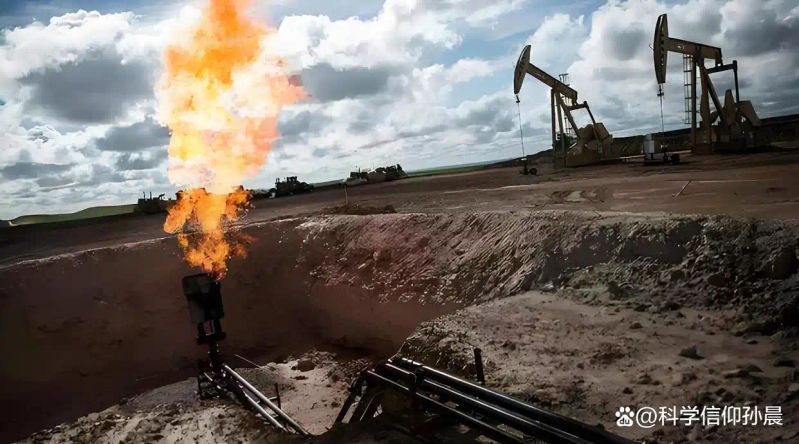
According to bio-fuel theory, oil is unlikely to exist in the dnieper-keltz river basin, where the former soviet union, in order to prove the inorganic causes of oil, drilled 61 wells, which took five years, and eventually came out of 37 wells, which is a strong support for the inorganic causes of oil。
Why is the former soviet union so supportive of oil inorganic causes? Why have oil organic causes been in dispute with inorganic causes for centuries? Because behind this is not just a collision between two views, it is even about the future fate of humanity as a whole。

If oil is biologically formed, it means that it is a non-renewable source of energy that will eventually dry up。
But if oil is inorganic and comes from mantle, it means that it will never be depleted. Because the hydrogen content in the earth's depths is extremely large, and the hydrogen in the deep liquid irons of the earth has been venting powerful hydrogen currents from the very beginning of its formation to the present day, the earth will continue to produce hydrocarbons from its energy sources and oil will not be depleted by any exploitation. You must have heard the phrase “oil can last 50 years,” which happened 50 years ago, precisely because the real amount of oil being mined in many of the world's oil fields is far greater than originally estimated, whether it was miscalculated, or whether it is capable of producing constantly。