On saturn's largest satellite, saturn's titan, methane lakes glistening in the thin atmosphere. On earth, oil workers are extracting gold-like crude oil from thousands of metres underground. Both substances are of the same nature in the eyes of chemists: they are hydrocarbons。
But when you ask about the origin of oil, scientists start telling you, "oh, it's not clear."
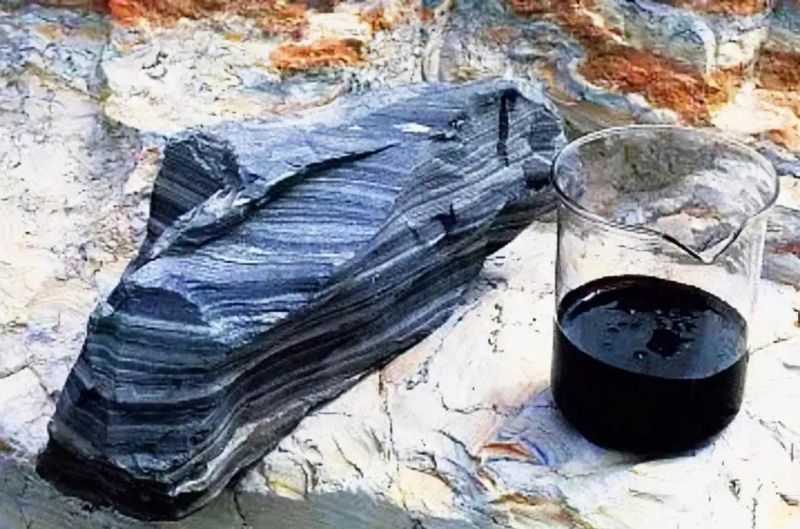
We have spent more than 80 million barrels a day around the globe, from the first time that humans have lit oil for heating, and we have spent more than a thousand years with this black liquid. But where does it come from? It's like a scientific mystery that hasn't ended for over 300 years。
In 1546, when the german scholar george agricola first introduced the term “oil” in his book, he imagined it to be a mysterious liquid seepage from underground rocks. At the same time, andreas libavius was convinced that this was the result of the foliage of ancient trees. In this context, two viewpoints opened up the scene of the debate, all the way to the laboratory of the twenty-first century。
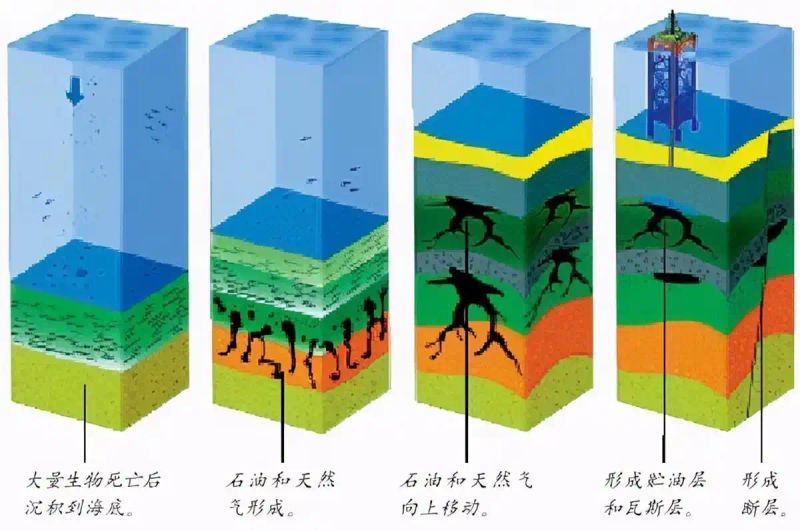
Why is the debate about the causes of oil so difficult? Because both sides hold evidence that cannot be easily refuted. Organics take a core sample of sedimentary basins and say, "see? 99. 9% of the oil fields lie here."
Indeed, the oil and gas fields that have been discovered around the world are almost entirely in the sedimentary rock, like babies in the cradle. The trace elements of the oil components, such as thorium, nickel and copper, are the same as those in the coal, whose plant origins are fossil hammers。
However, the inorganic sector is also weak, and mendeleev has been able to mix carbide iron and water in the laboratory as early as 1876, bringing out hydrocarbons. The soviets have done wonders in the dnieper-dnietz river basin: the granite layer, which western scholars have asserted that “no oil” is possible, has created a 60 per cent success rate well。
Even more striking is the fact that these oils do not find the organic “biological identity card” that organics claim to be: the mussels。
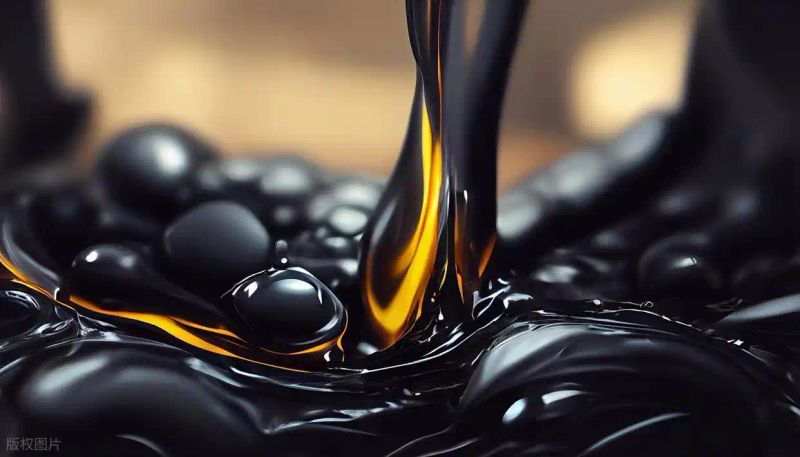
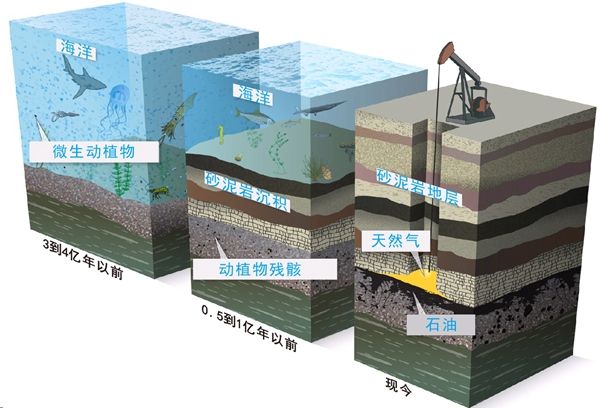
The process of oil formation is more like slow stewing deep in the earth. According to the dominant theory, it is required to go through four fire phases: 1,500 metres of “simplified chow” (around 60°c) to allow micro-organisms to make organic matter methane; and 4,000 metres of “moderate deflammation” (within 180°c) to produce crude oil under the catalyzing of clay minerals。
At a further depth of 7,000 metres, the “flamming fire” (up and down 250°c), the crude oil cracks into light condensed oil; and, at a deeper point, all organic matter becomes a pot of methane gas. The whole process has been going on for millions of years, and who can repeat it in the lab
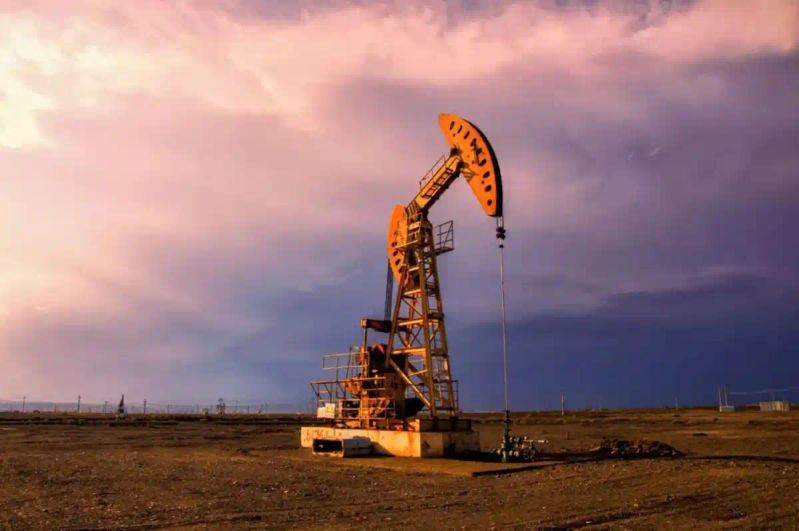
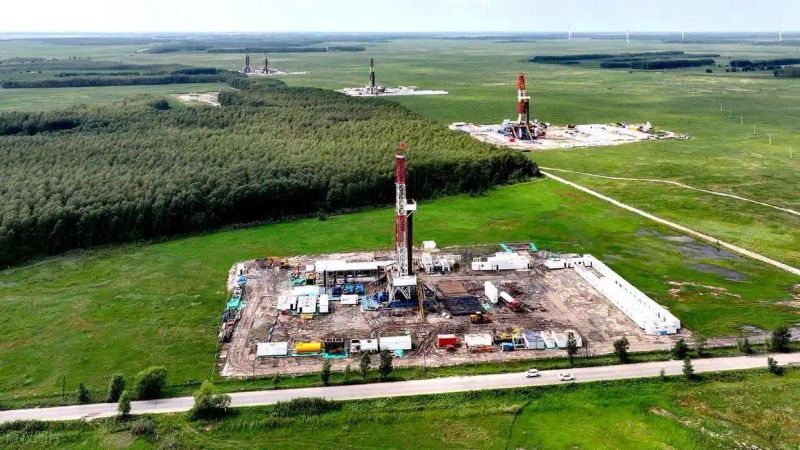
Oil explorers often experience confusing phenomena, with some oil fields having been pumped for 30 or 40 years, which, by definition, are long overdue and yield still stable. Some oil fields in romania are even “resulting” automatically, like an invisible gas station underground。
The incompetents immediately caught this: “look, oil is constantly producing live water!” and the organics rebuffed: “it is nothing but an illusion of displacement due to changes in pressure on the ground. “how is the truth? Both sides are still looking for answers in the drilling platforms and laboratories。
Inorganic factors found new evidence in interstellar space, and the cassini probe filmed methane lakes on titan, which are larger than the earth's oil reserves; complex organic molecules were also detected in meteorites。
A member of the college of central sciences, tengevin, pointed to the presence of large quantities of hydrocarbon-containing fluids in the deep part of the earth, moving up through the cracks. But do these mantle hydrocarbons constitute a commercial reservoir? The academic world is still divided。

Modern scientific instruments have been able to profile the molecular composition of oil like ct scans. Biological markers, like “dna” of oil, reveal their connection to ancient algae。
However, in 2019, when the united states geological survey found oil seedlings in granite cracks in the colorado plateau, organicists had to work hard to explain how these “unruly” oils “smuggling” from sedimentary rock to fire-forming rock. Oil causes are not just academic debates, but more energy strategies。
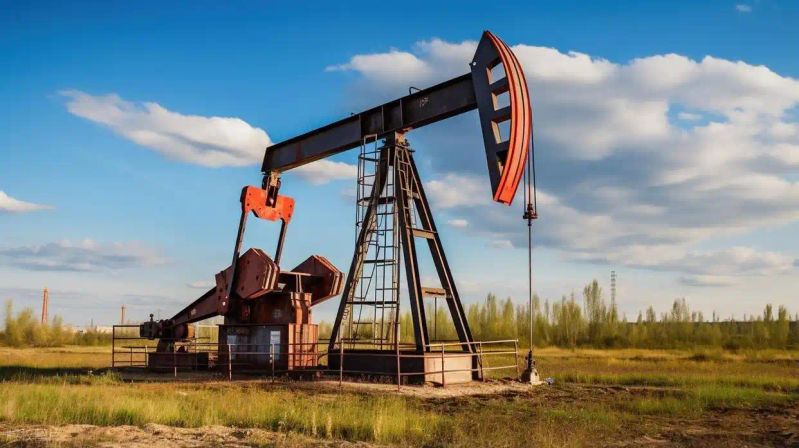
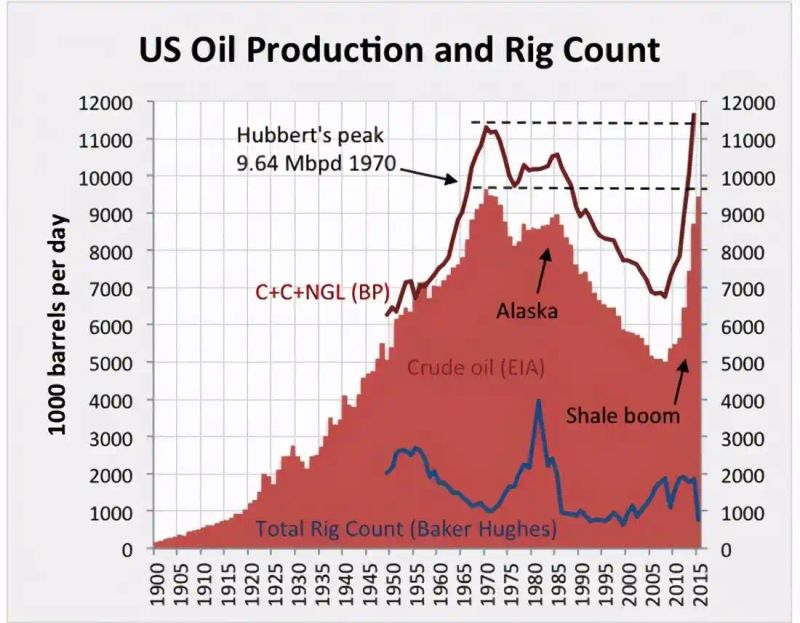
When western scholars launched the “oil peak theory” to warn of resource depletion, russia continued to discover new oil fields in the depths of siberian shields, based on the inorganic oil theory。
Chinese scientists take a pragmatic approach to finding oil is good. The successful development of the qiang oil fields is an example of a combination of two theories guiding exploration。
The key to unlocking the mystery of the life of oil may be hidden deep in the earth. With the technological breakthrough of the ultra-deep well, humans have been able to drill 12 kilometres underground. The discovery of an extraordinary concentration of gold and hydrogen at a depth of 10,000 metres below the russian korah super-deep drilling hole suggests that there is an unexpected chemical process in the depths of the crust。
This scientific battle, which lasted three centuries, is now moving towards integration. Most researchers agree that sedimentary organic matter is the main source of oil, but also recognize the presence of hydrocarbons as a non-biological cause in the depths of the earth. It's like the yangtze water, which has both its source glacier and its route。
According to the 2023 nature magazine, subduction bands may be a key route for inorganic hydrocarbons entering the sedimentary ring. The “mixed” identity of oil is becoming a new consensus。
The methane lake on titan is silent in the cold of 180°c below, and oil tankers in the persian gulf are downloading black cargo in the hot sun towards a distance. Perhaps the true wonder of oil lies not only in its origins in ancient life or in the wonders of the earth, but also in its accumulation of energy that has gathered on earth for billions of years。
As scientists continue to argue about the life of every drop of oil, it is better for humankind to think about how to let these millions of years of energy light up the future of sustainable development
# high-quality and well-written incentives #