Autumn and winter have arrived. It's getting cold
Age-affected
The biological characteristics of older persons differ significantly from those of younger adults
But the need for drugs is greater for older people than for younger adults
Therefore..
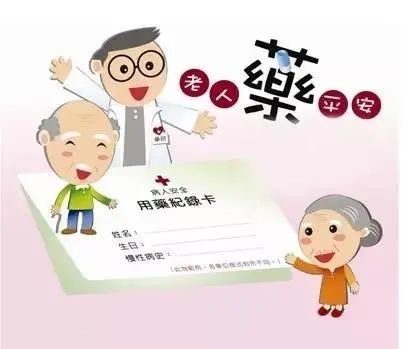
Focusing on knowledge of safe medicine for older persons is essential
01
Illness characteristics of the elderly
#1
In terms of pharmacological dynamics, older persons are vulnerable to adverse drug reactions due to reduced liver, kidney function, decreased protein and increased fatty tissue, slower liver metabolism or kidney excretion of drugs, higher blood levels。
#2
In pharmacological terms, the increased sensitivity of older persons to central nervous system drugs, anticondensatives, urinals and antitensive drugs can be more responsive to these drugs than to young people, leading to an increase in the adverse reaction of drugs at normal doses and even to certain source diseases。
#3
At the psychological level, older patients have relatively little common knowledge of safe drug use and are less capable of self-risk management; many older patients seek medical care and are less subject to medication and are prone to unreasonable use。
02
Principles of medicine for older persons

It should first be determined whether medication is necessary; many health problems of older persons can be addressed without medication。
As far as possible, multi-pharmaceuticals are avoided and no more than five drugs are used at the same time。
The drug-dose programme is as simple as possible and, if feasible, it would be preferable for each drug to be served only once a day。
In order to determine individual tolerance, the first dose of most drugs is usually better than the standard dose; maintenance should also be carefully determined, as is generally the case for older persons over 60 years of age。
The use of drugs by older persons should avoid large tablets or capsules and liquid formulations should be more age-friendly。
Care should be taken not to misappropriate or overdose drugs and, as far as possible, not to place them on the table next to the bed (except for first aid drugs such as nitrate glycerine)。
The use of medicines by older persons should be monitored and their effects observed on a regular basis in order to be safe and effective。
03
Misuse of drugs by the elderly
Mistake one: antibiotics are "one-size-fits-all" or "no use."
For antibiotics, the attitude of older persons is polarized, with some viewing antibiotics as “a panacea”, relying too heavily on antibiotics, as long as they have colds, fevers and throat pains; others feel that the side effects of antibiotics are significant, whether they need to be rejected or not。
Mistake two: i'm a medical doctor
Some older persons, based on their own old experience of “cared for a long period of time”, go directly to the pharmacy to buy medicines whenever a chronic illness recurs. Even when they visit the hospital, they are confident enough to give the doctor a blind list of medicines. In fact, the use of drugs by older persons at random is prone to drug addiction and leads to adverse drug reactions。
Mistake three: self-measurement based on self-measurement
Some older persons have a strong interest in their physical well-being. They are often equipped with sphygmomanometers, blood sugar, etc., and are able to monitor themselves regularly. However, some older persons are free to discontinue some drugs according to monitored indicators, especially for high blood pressure and diabetics, and are at greater risk of unauthorized withdrawal or self-adaptation. The correct approach should be to record indicators for each self-measurement, to visit hospitals regularly for review, to consult with doctors or pharmacists to adjust drug use programmes。
Mistake iv: light trust in health products, recipes, equations
Health care is not a drug and usually has little effect on the treatment of diseases, coupled with a mixed health-care market, and some poor health-care promoters may add cheap western medicine to improve the efficacy of health-care products. There is no scientific basis for the secret formula, but it delays the patient's optimal treatment and aggravates the condition. As a result, the elderly are ill and should be examined and treated in regular hospitals。
04
Medicine for the elderly
The probability of adverse drug use among older persons is two to three times higher than among younger adults, especially as the following types of drugs are vulnerable to adverse drug use by older persons。
Drugs for cardiovascular diseases
Yellow drugs in the ocean such as geosin are mostly excreted from kidneys, which slow down the excretion of these drugs and increase the concentration of blood drugs, resulting in more serious central nervous disorders and cardiac toxicity due to the decline in the kidney function of the elderly。
The anti-inflammation cure
They include paul tethon, simesin, aspirin, etc. The prolonged administration of the porcelain can cause edema and regenerative obstructive anaemia; the prolonged administration of the pyresin can cause adverse effects such as dizziness, mental disorders, diarrhoea, gastrointestinal haemorrhage and stomach ulcer。
Adrenal cortex hormone
While available pine drugs are used to treat arthritis, such as rheumatism, fibrosis, etc., their use may cause fractures and fractures of the femur, as older persons often suffer from osteoporosis, and therefore long-term large doses are not appropriate。
References:
1. People's network " let's care about the use of medicines for the elderly "
2. Chinese medical journal, " what do you know about medicine for the elderly "
3. The chinese journal of medicine, " the use of medicine for the elderly is more strategic "
China food and drug network, focusing on the safe use of medicines for the elderly
5. Shenzhen evening, the six mistakes and five principles of medicine for the elderly, do you know